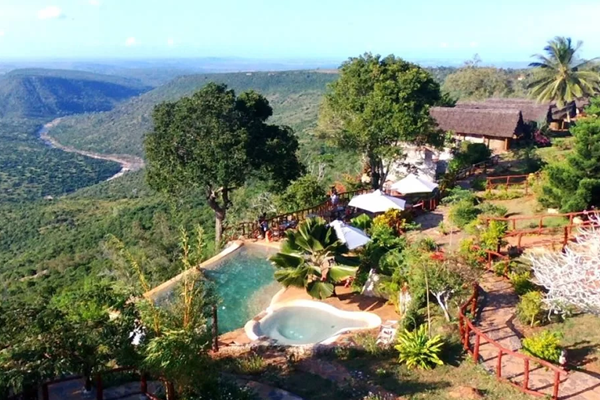
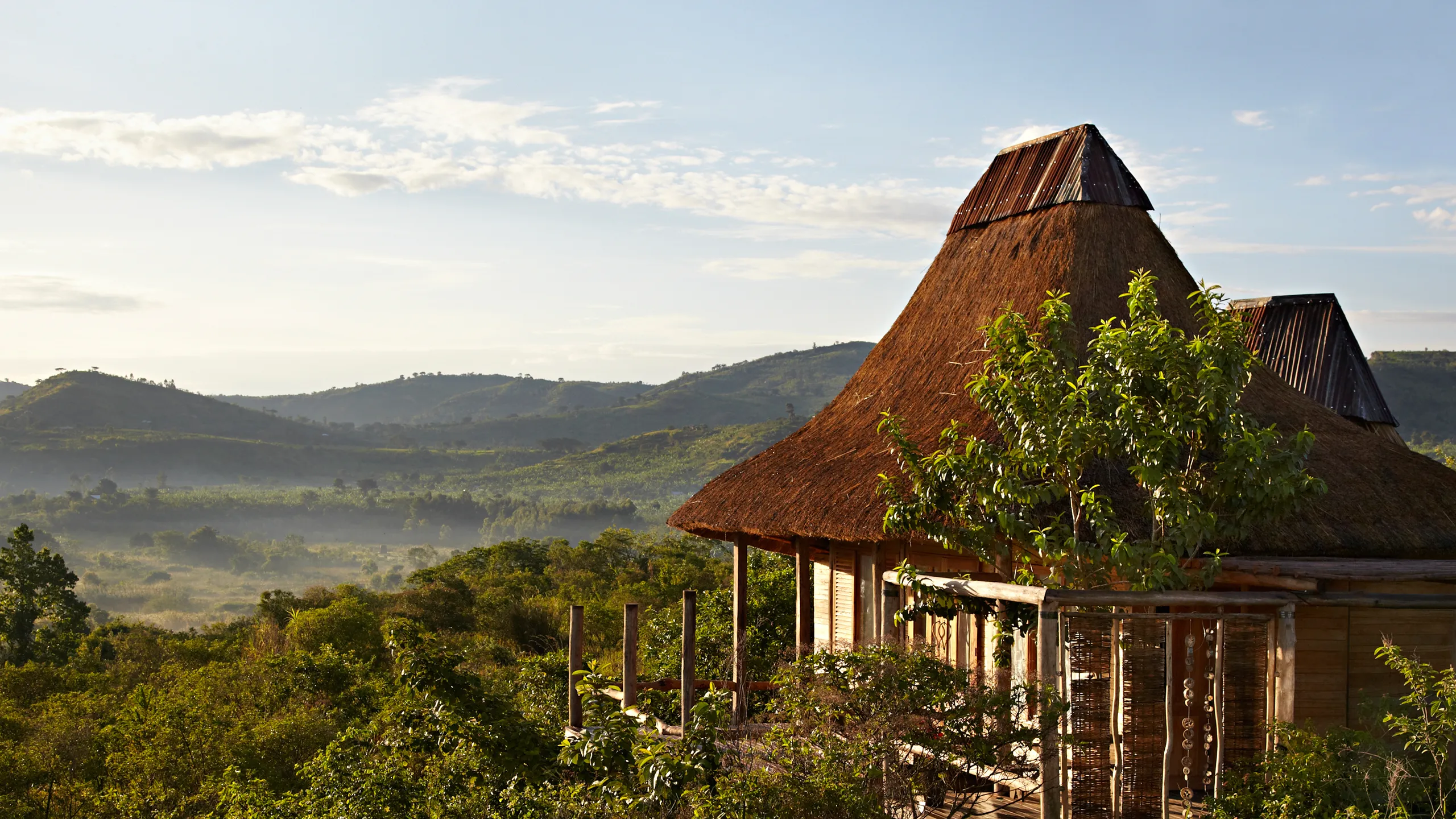
Queen Elizabeth National Park, located in southwestern Uganda, is one of the country’s most popular and diverse national parks. Established in 1952, the park spans approximately 1,978 square kilometers and is named after Queen Elizabeth II. It encompasses a variety of ecosystems, including savannah grasslands, wetlands, and dense forests. The park is renowned for its stunning landscapes and diverse wildlife.
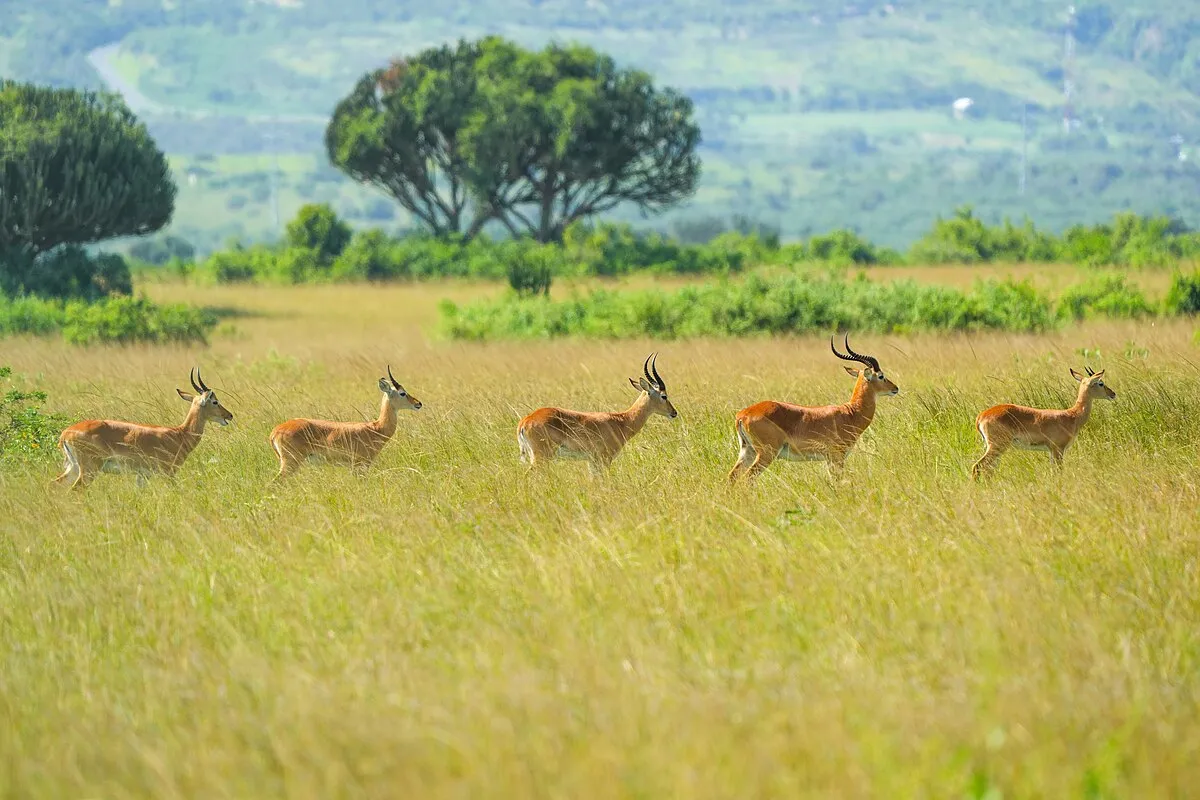
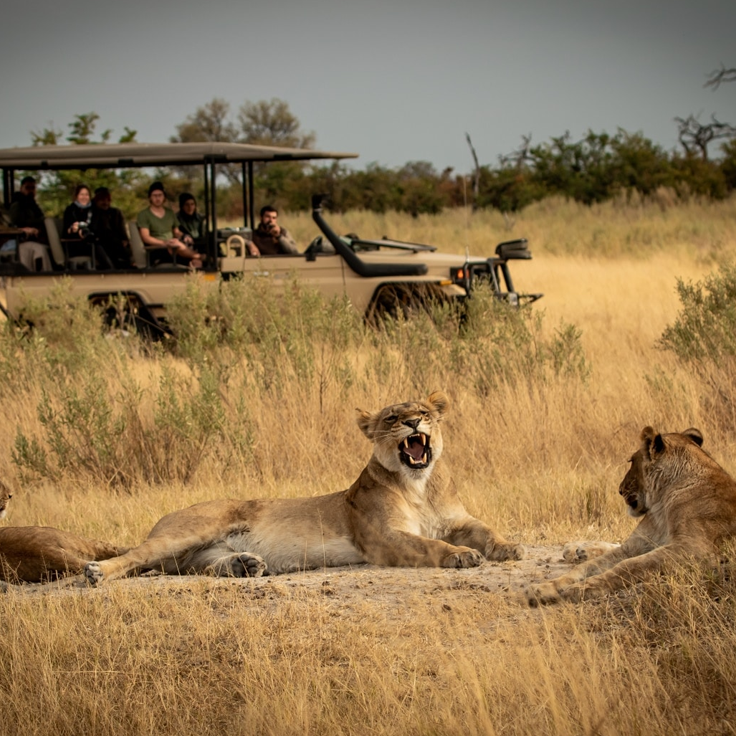
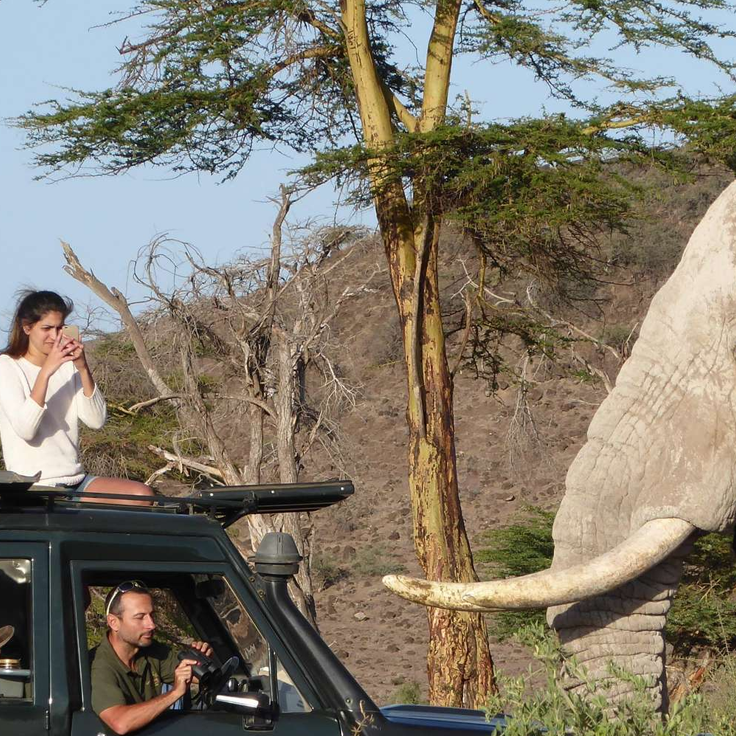
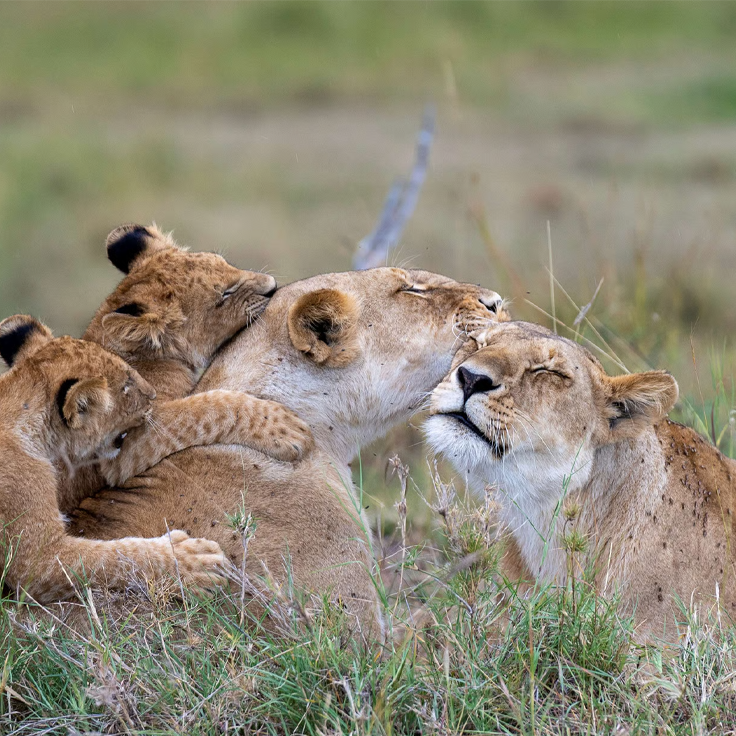
Queen Elizabeth National Park is a biodiversity hotspot with a wide range of wildlife species. Visitors can spot the “Big Five,” including lions, elephants, buffaloes, leopards, and rhinoceros (in the southern Ishasha sector). Other notable wildlife includes hippos, crocodiles, chimpanzees, various antelope species, and over 600 bird species, making it a paradise for birdwatchers.
The park is accessible by road from Kampala, the capital of Uganda. The journey takes approximately 5-6 hours, depending on the entry gate. Visitors can use private vehicles or join guided tours. Roads leading to the park are generally in good condition.

Charter flights are available to airstrips near the park, such as Kasese or Ishasha. Scheduled flights may operate from Entebbe International Airport, providing a quicker option for those preferring air travel.
Rail travel is not a common or practical option for reaching Queen Elizabeth National Park. The park is best accessed by road or air.
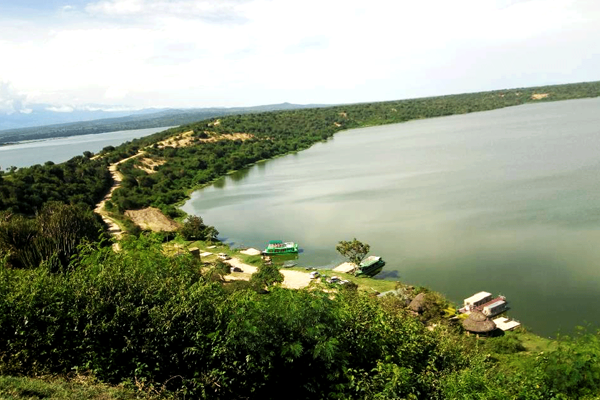
Enjoy a boat cruise on the Kazinga Channel, which connects Lake George and Lake Edward. This offers an opportunity to see hippos, crocodiles, and a variety of water birds.
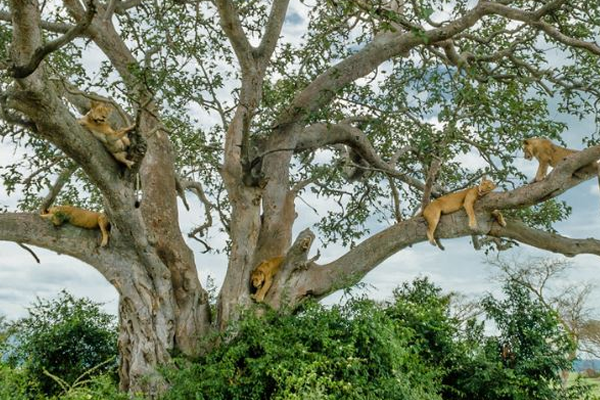
Explore the southern Ishasha sector, known for its tree-climbing lions. Witness these unique lions lounging in the branches of fig trees.
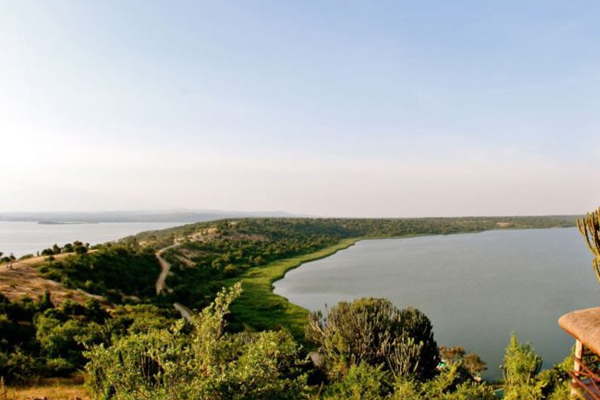
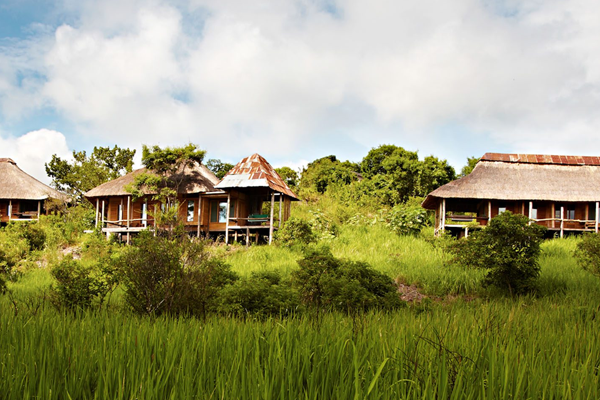
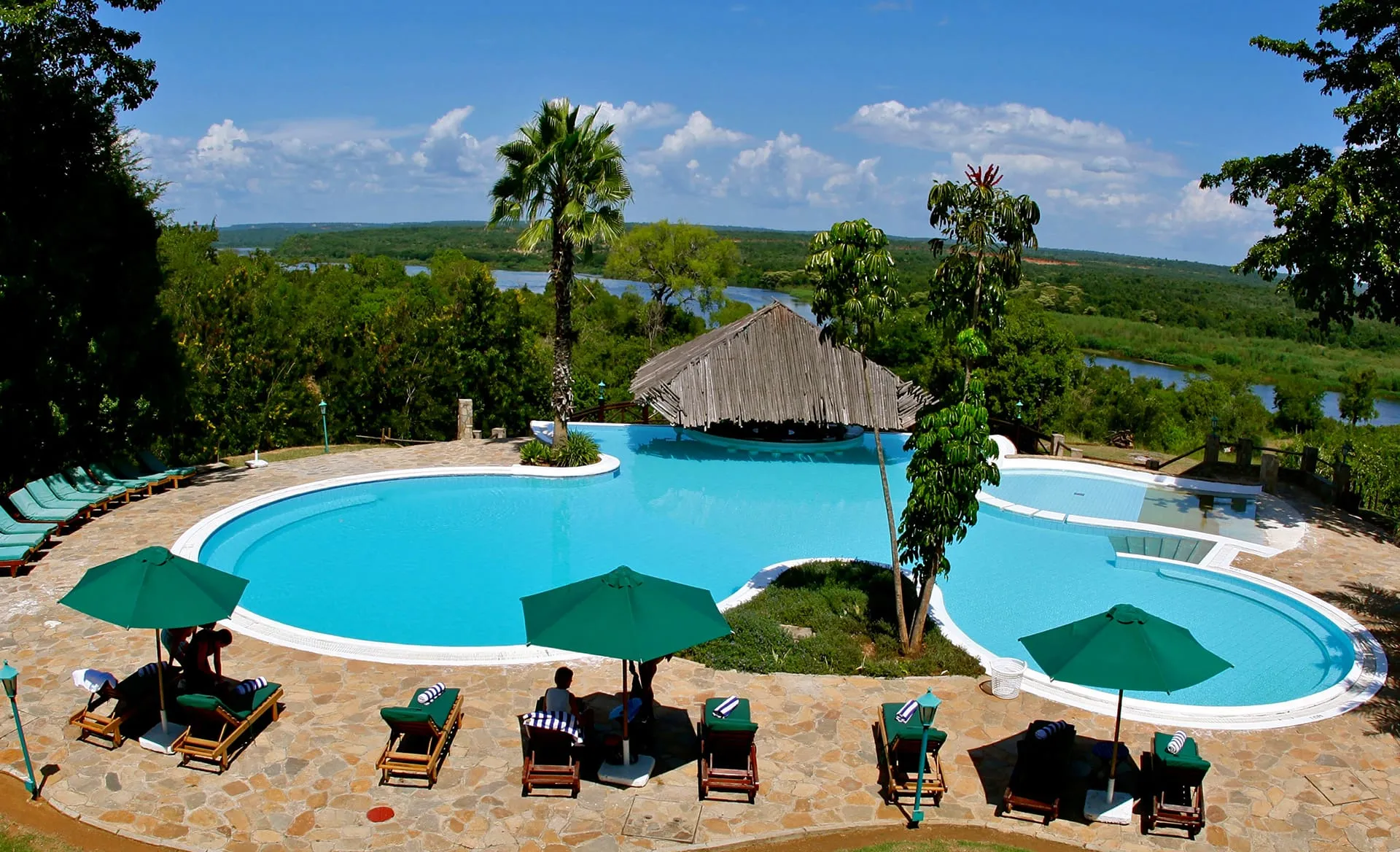
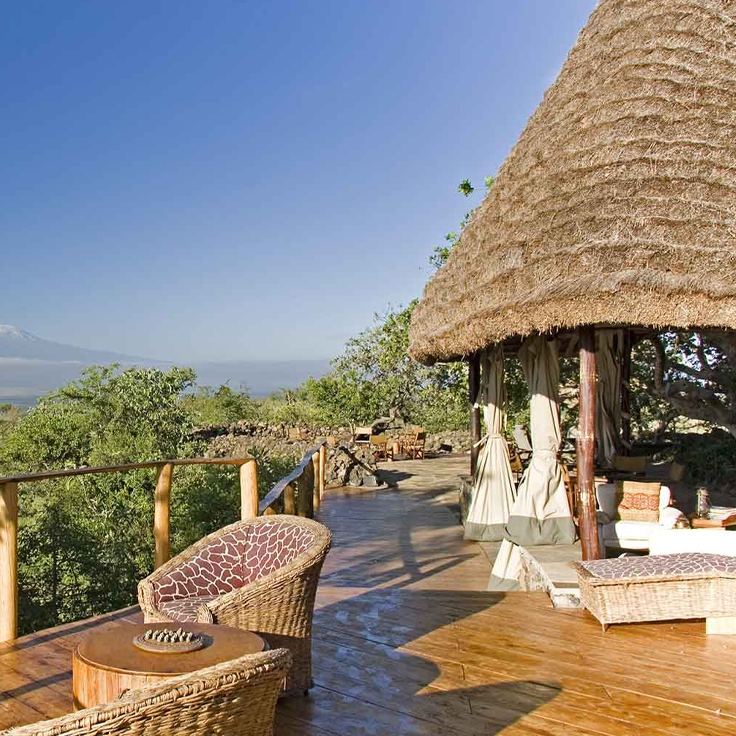
Visit the Mweya Peninsula for panoramic views of the park, the Rwenzori Mountains, and the Kazinga Channel. The peninsula is also home to various accommodations and amenities.
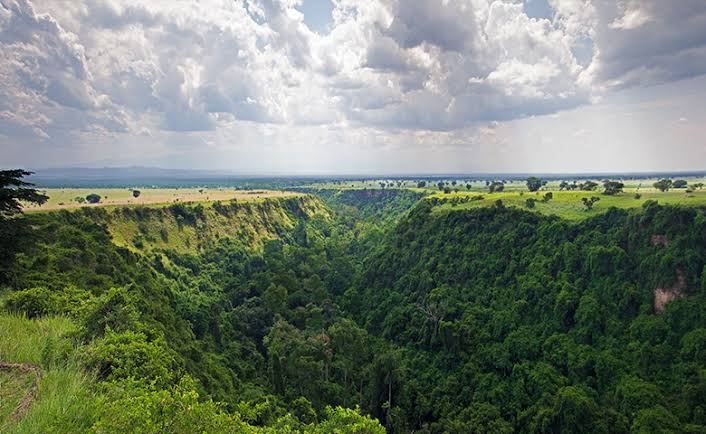
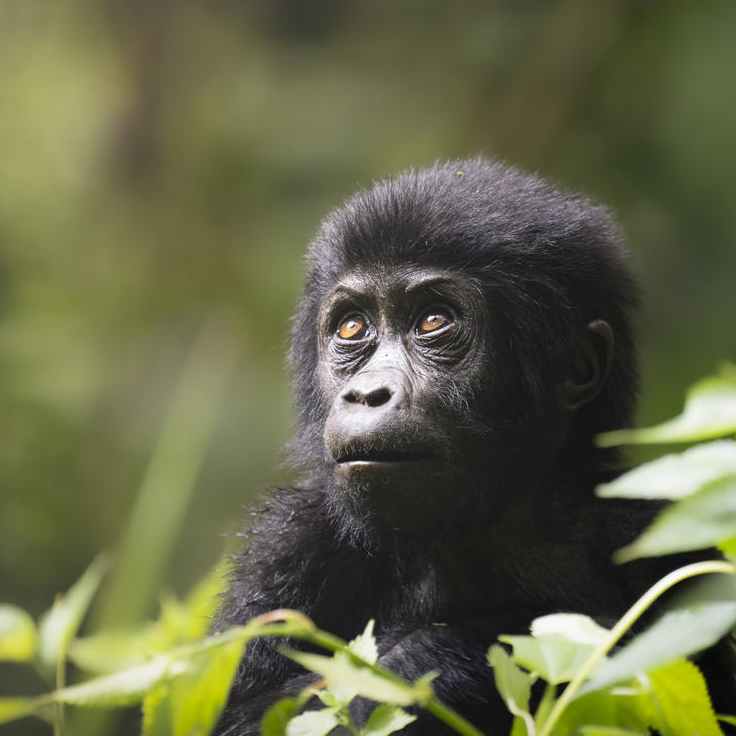
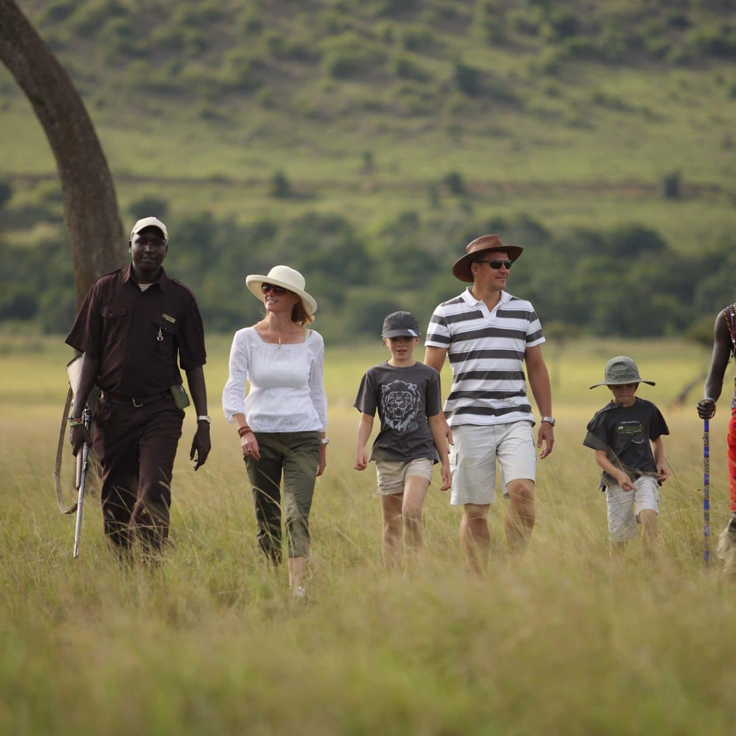
Take a trek into Kyambura Gorge for chimpanzee tracking. This lush gorge is also home to other primate species and offers a unique hiking experience.