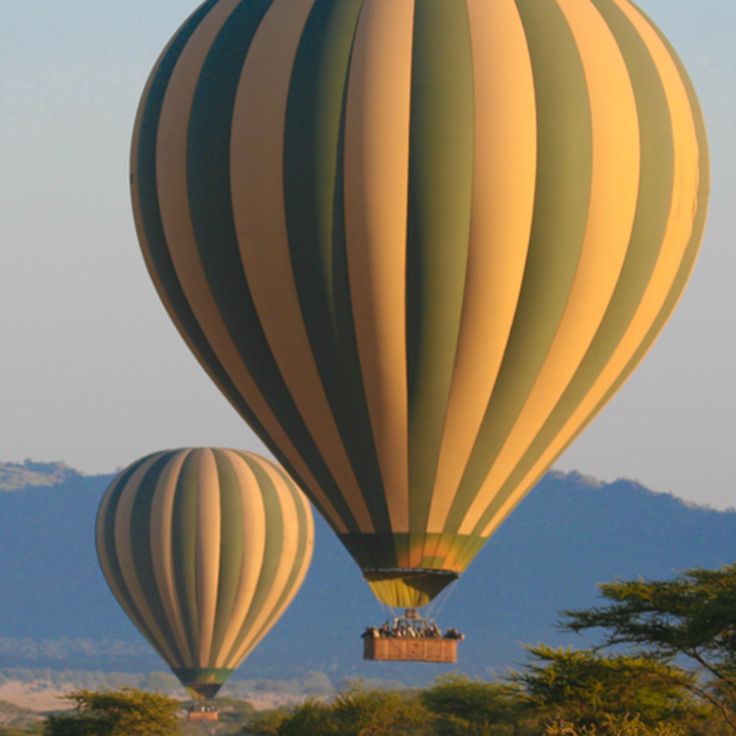
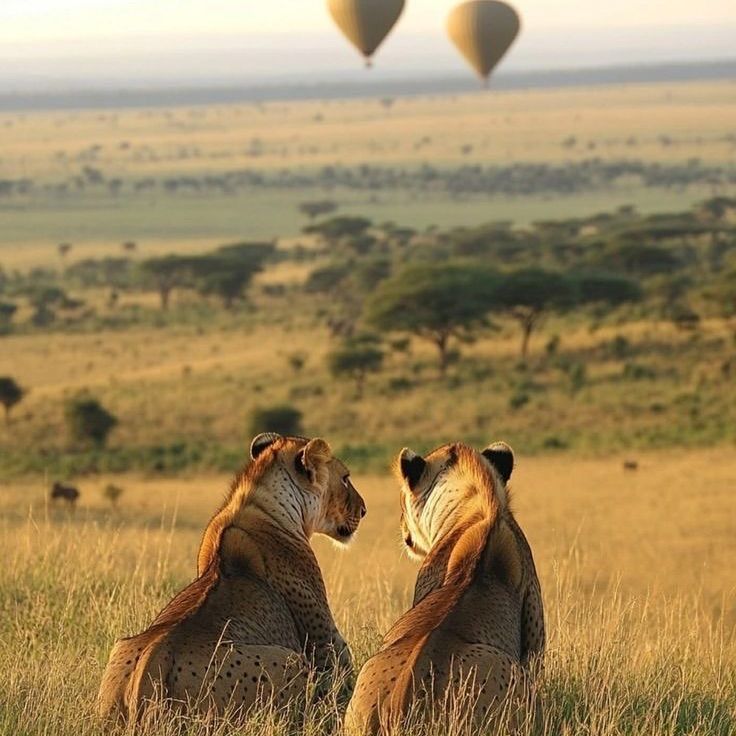
Samburu National Reserve is one of Kenya’s most distinctive safari destinations, set along the banks of the EwasoNyiro River in the rugged landscapes of northern Kenya. Covering approximately 165 km², the reserve is famous for its striking semi-arid scenery, large elephant herds, big cats and rare wildlife species collectively known as the Samburu Special Five :Grevy’s zebra, reticulated giraffe, gerenuk, Beisaoryx and Somali ostrich.
How We Get There
By Road
Samburu National Reserve is about 320 km north of Nairobi, approximately a 6–7 hour drive. The scenic route passes through Nanyuki and Isiolo before reaching Archer’s Post, with beautiful views of Mount Kenya and the changing landscapes of northern Kenya.
By Air
For a faster journey, scheduled flights operate from Wilson Airport in Nairobi to airstrips serving the Samburu area, including Buffalo Springs, Kalama and Oryx. The flight takes approximately 1 hour, followed by a short transfer to your lodge or camp.
Safari Experiences in Samburu
Game Drives & the Samburu Special Five
Explore Samburu on exciting game drives in search of elephants, lions, leopards and the famous Samburu Special Five — Grevy’s zebra, reticulated giraffe, gerenuk, Beisaoryx and Somali ostrich.
Samburu Cultural Experience
Visit a local Samburu community and discover their rich traditions, colourful beadwork, dances and way of life. It’s an opportunity to experience the cultural heritage of northern Kenya beyond the wildlife.
EwasoNyiro River Wildlife Viewing
Experience excellent wildlife viewing along the EwasoNyiro River, Samburu’s lifeline. Elephants, antelopes, predators and numerous bird species gather around the river, creating memorable wildlife and photography opportunities.
Safari Experiences
Boat Excursions
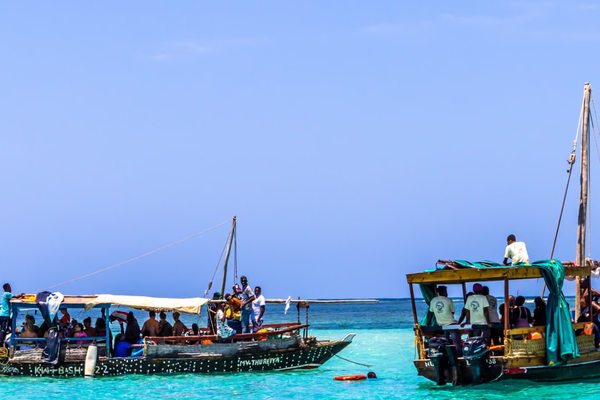
Guided boat excursions around the marine park provide opportunities for dolphin watching, snorkeling, and enjoying the panoramic views of the Indian Ocean. Local boat operators offer informative and eco-friendly trips.
Birdwatching
The park is a haven for birdwatchers, with numerous seabirds inhabiting the area. Look out for species like terns, gulls, and the magnificent frigatebirds soaring above the turquoise waters.
Dolphin Watching
One of the highlights of a visit to Wasini Island is the chance to embark on a dolphin-watching excursion. The waters around the island are frequented by dolphins, offering a thrilling experience as these playful creatures swim and frolic in their natural habitat.
Swahili Culture
Wasini Island provides a glimpse into Swahili culture, and a visit often includes interactions with the local community. Experience the warmth and hospitality of the islanders, explore traditional Swahili villages, and perhaps indulge in a Swahili seafood feast.
Point Of Interest
Wasini Island/Kisite Mpunguti Marine Park
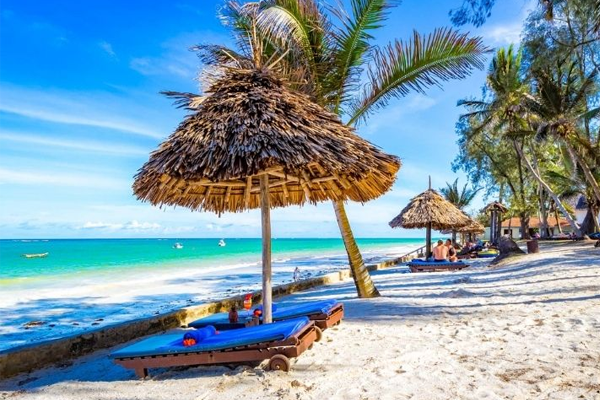
Wasini Island, a serene coral island off the Kenyan coast, beckons travelers with its pristine beaches, turquoise waters, and vibrant coral reefs. This idyllic retreat offers a unique fusion of marine adventures and Swahili culture. Visitors can explore the underwater wonders surrounding the island, from colorful coral gardens to encounters with playful dolphins during exhilarating boat excursions.
Shimba Hills Game Reserve
Situated 20 miles from Mombasa, this beautiful reserve presents waterfalls, nature walks and grasslands that provide an incredible environment for a variety of wildlife. See elephants at play and witness butterflies and birds take flight in the captivating surroundings on a Shimba Hills National Park day trip.
Mombasa Fort Jesus
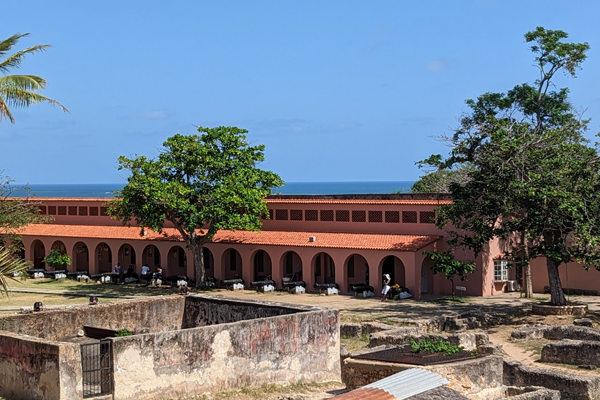
Fort Jesus is Mombasa’s most popular tourist attraction. The 16th century Portuguese first us a monumental piece of architecture that now displays various artifacts from the era in which Mombasa served as a transit point for slave trade and comodoties. The Mueseum interior comprises of torture rooms, prison cells,and weapons such as canons.
Mombasa Haller Park
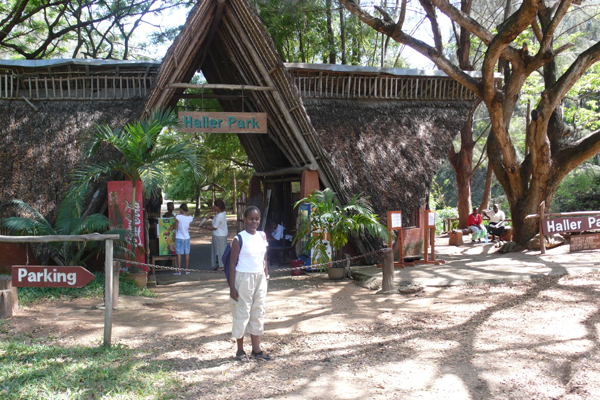
Fort Jesus is Mombasa’s most popular tourist attraction. The 16th century Portuguese first us a monumental piece of architecture that now displays various artifacts from the era in which Mombasa served as a transit point for slave trade and comodoties. The Mueseum interior comprises of torture rooms, prison cells,and weapons such as canons.
Mombasa Old Town
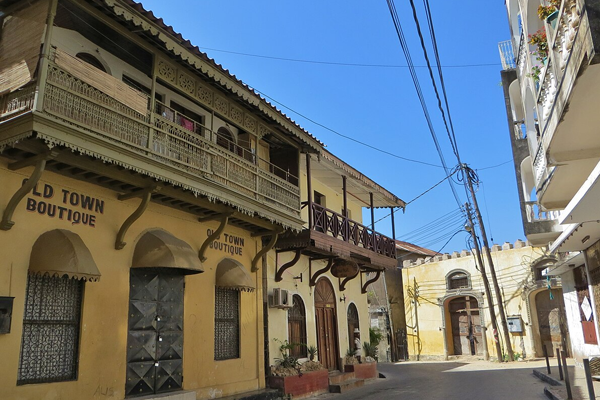
“Old Town” is well known for its ancient buildings, extravagant art designs and curio shops. “Old Town” is best seen when explored by foot with an experienced guide who can educate visitors on the history of the town and its Arab influence.
Mombasa Mamba Village
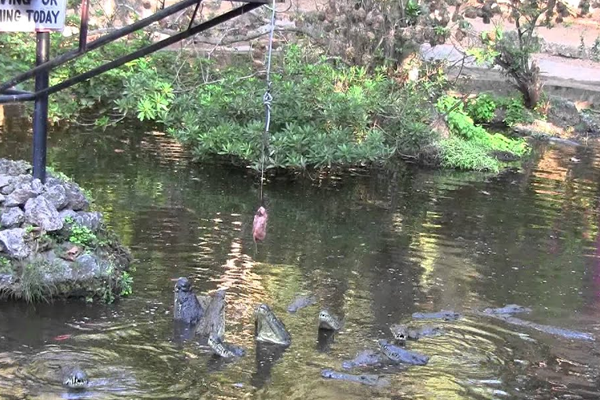
Mamba Village is East Africa’s largest crocodile farm. A tour of the farm starts with a movie on the life cycle and behaviour of crocodiles, followed by a comprehensive tour of the rest of the farm, and ends with the highlight of the day: a spectacular scene of bloodthirsty crocodiles fighting for food during feeding time.