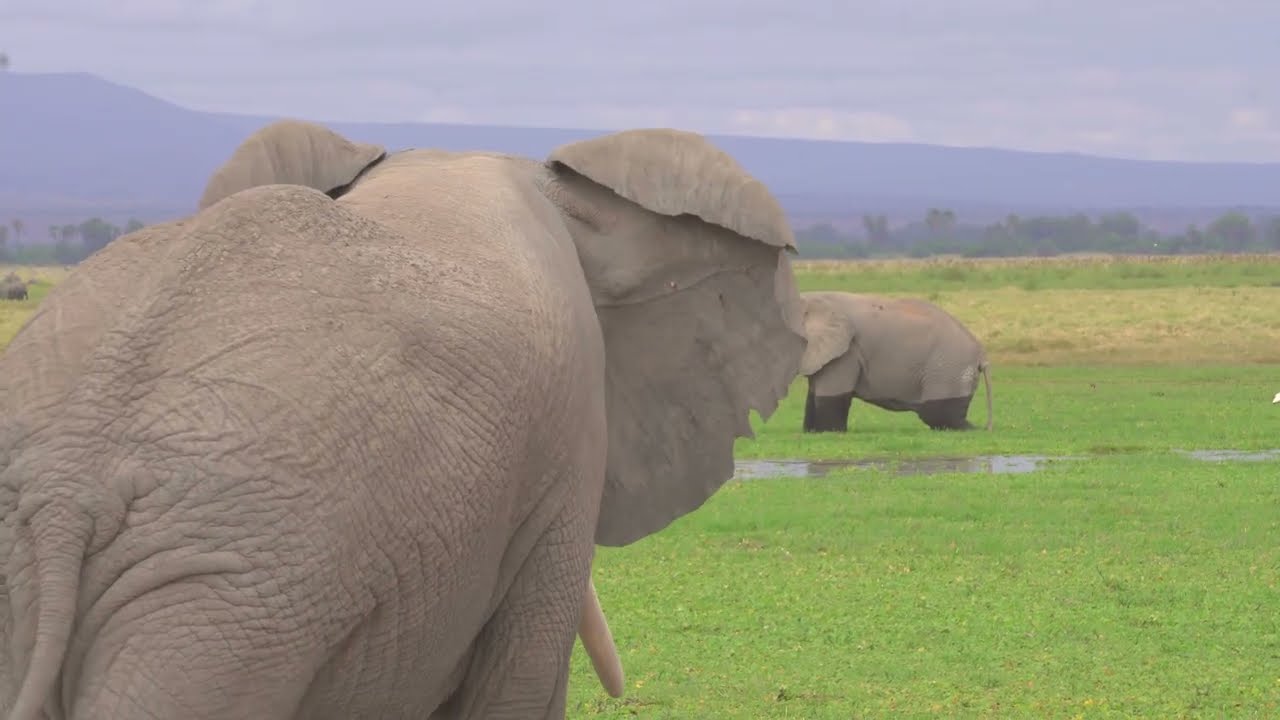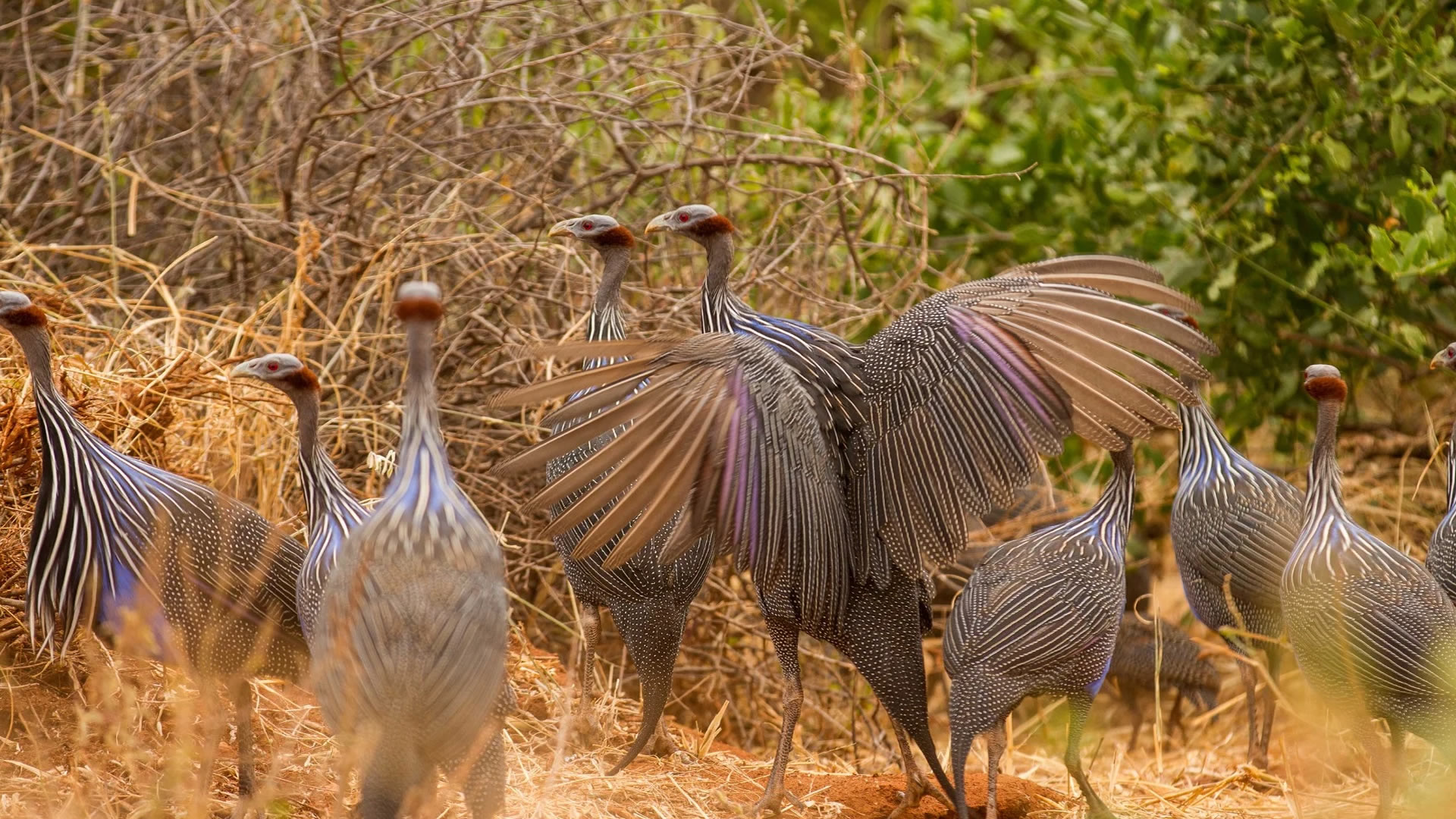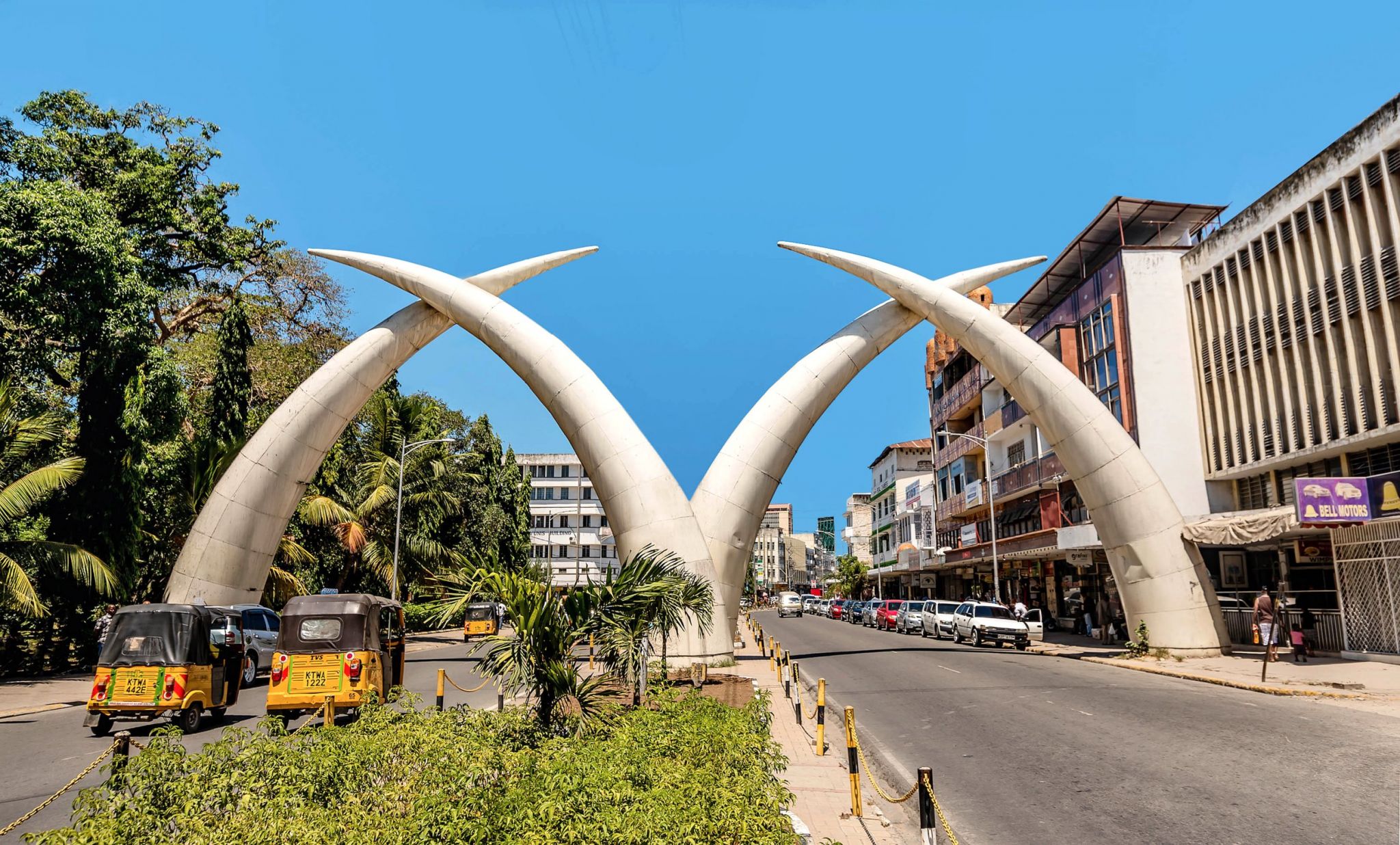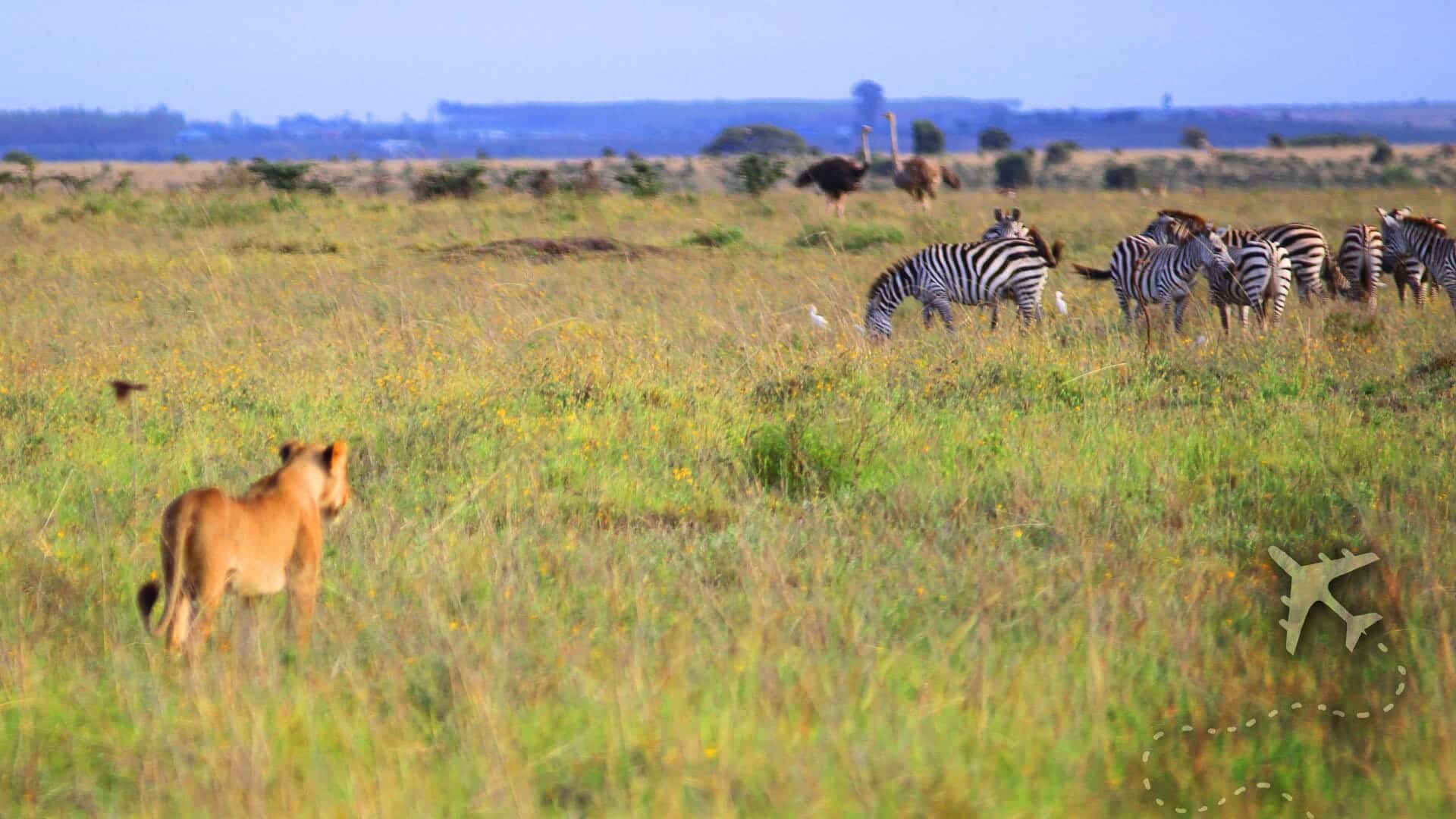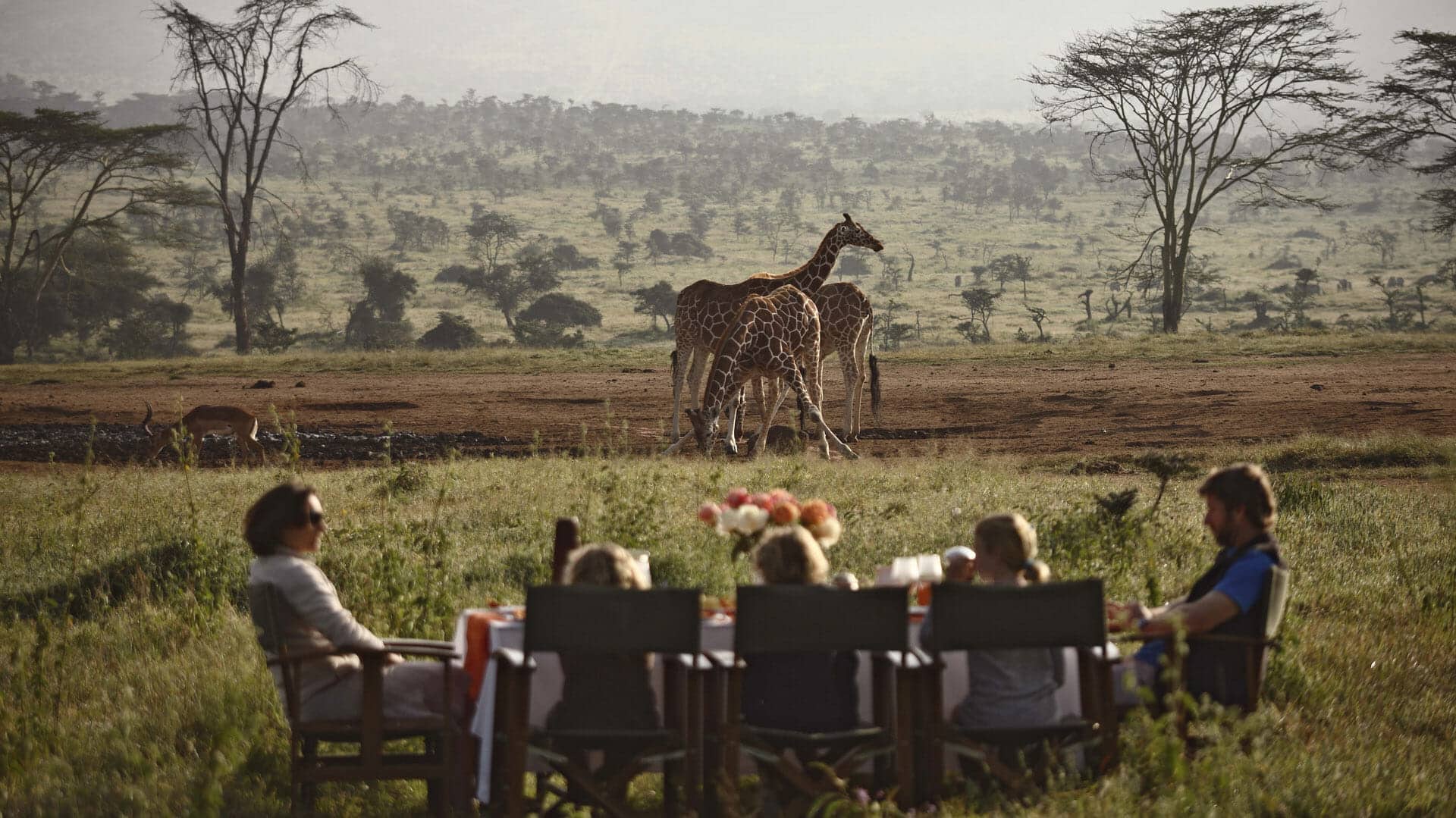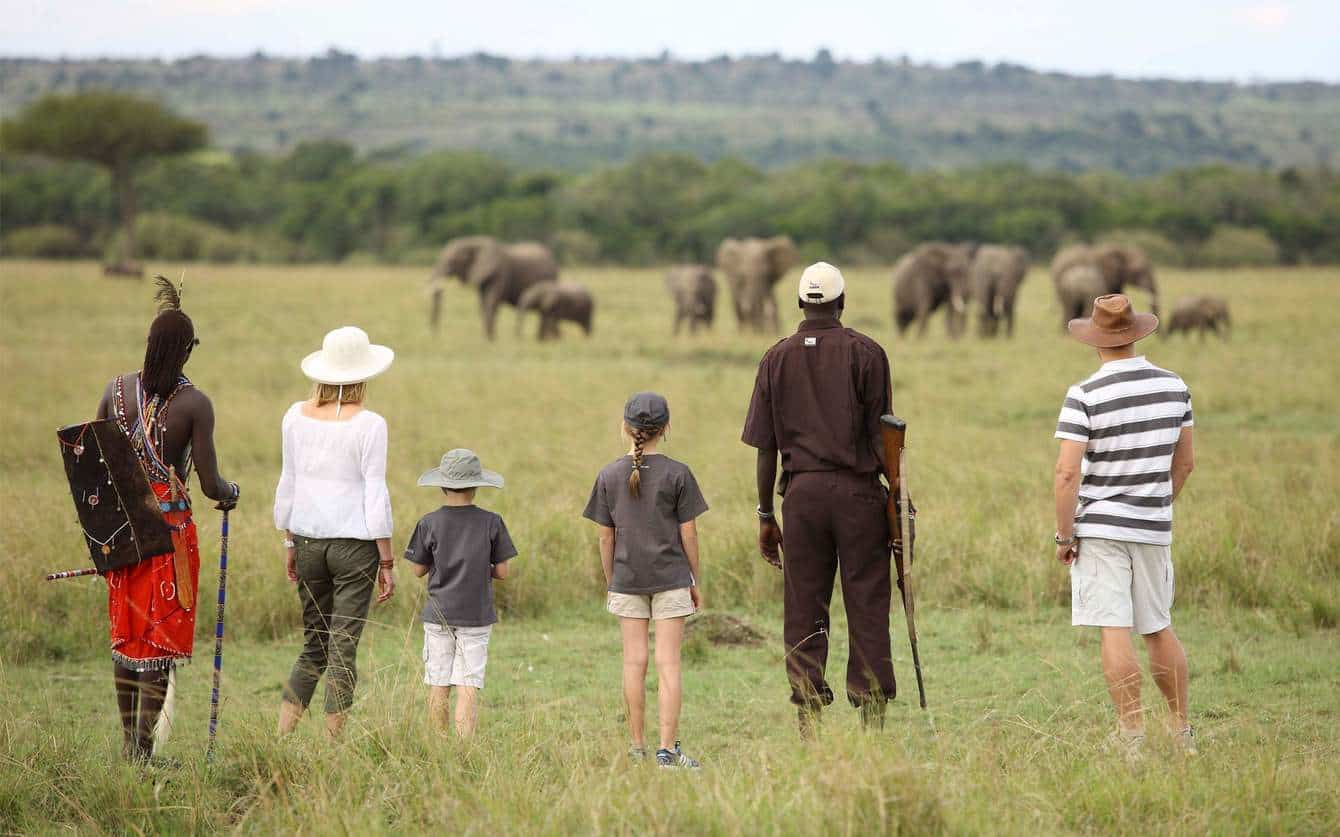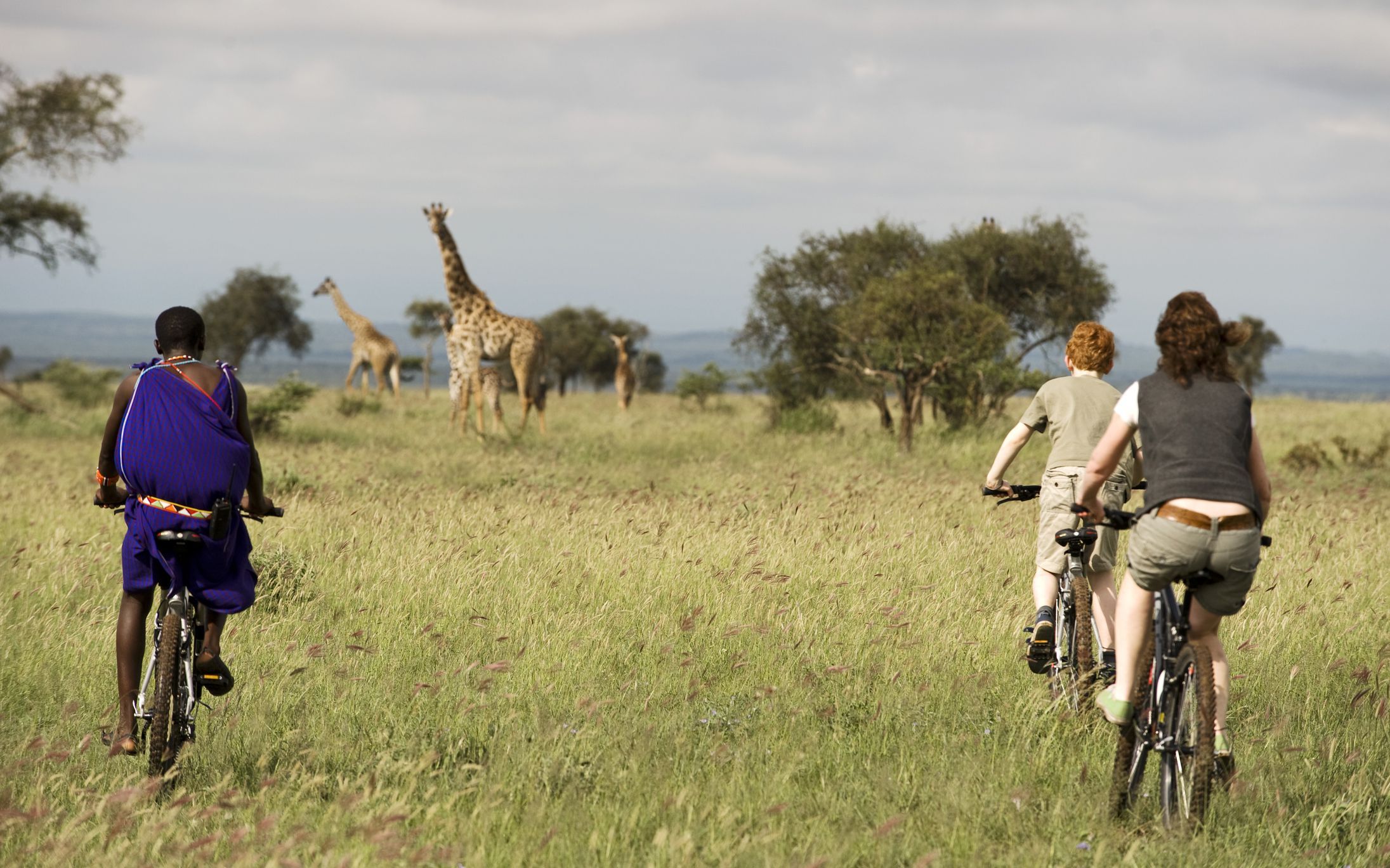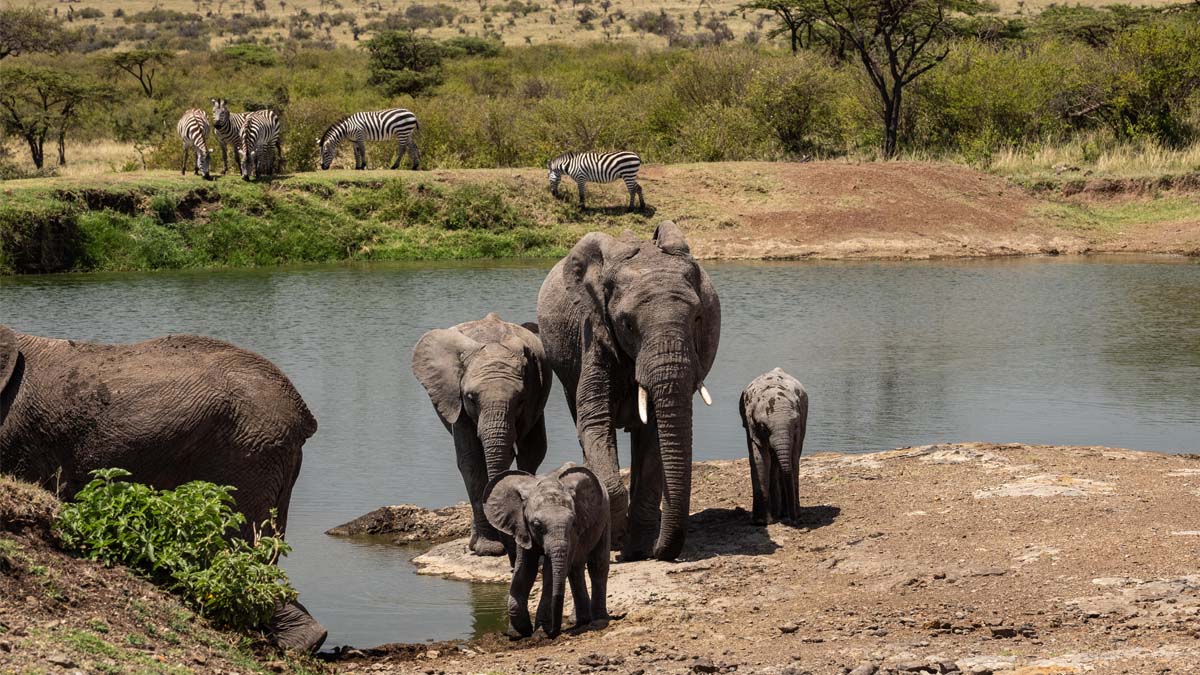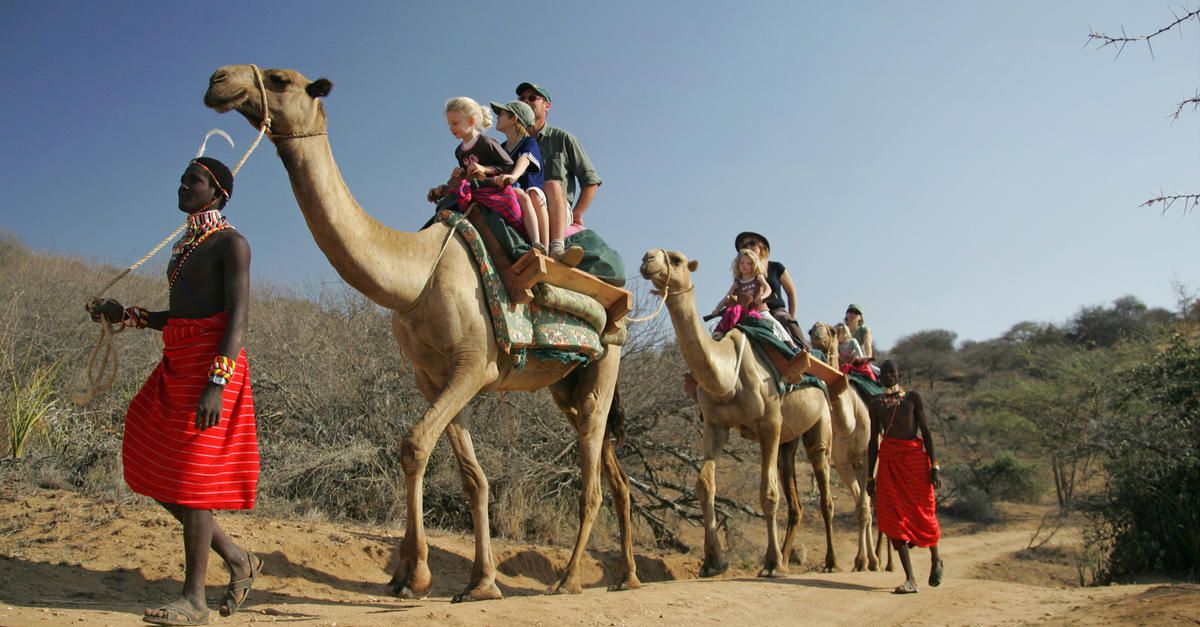

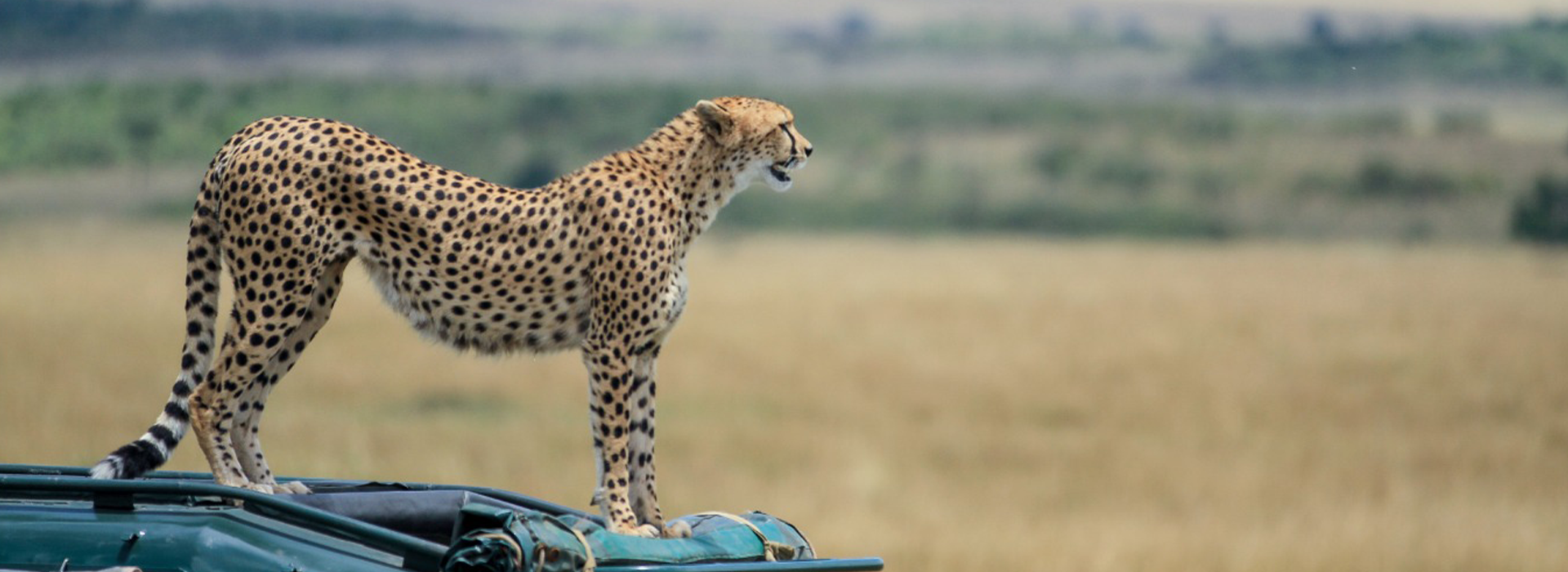
A safari in Kenya, Africa, is often associated with the Great Migration, lions chasing prey across the Maasai Mara, elephants walking in the backdrop of Mount Kilimanjaro. These awesome experiences are what makes Kenya one of Africa’s most talked about safari destinations.
But there is much more to a Kenyan safari than the Big Five or the Great Migration.
Talk about diverse landscapes, rich cultures, varied wildlife habitats, beautiful sandy beaches and a variety of safari experiences. You can watch elephants in Amboseli, search for the Samburu Special Five in northern Kenya, explore the vast plains of Tsavo and finish your holiday relaxing along the Indian Ocean coast.
Having been involved in organizing safari trips since 2016, we have seen what makes a Kenyan safari memorable, what can go wrong and the decisions that can make a significant difference to a traveller’s experience.
At Trek Afrika Adventures, we have handled approximately 800–1,000 safari bookings over the years, ranging from individual travellers and families to larger groups. I also spent time working as a tour leader, personally accompanying guests on safari before moving into office-based operations.
This guide shares practical insights from that experience to help you plan a safari in Kenya with realistic expectations and make better travel decisions
Table of Content
- Introduction: Beyond the Big Five & Great Migration
- Why Choose Kenya for an African Safari?
- Best National Parks & Reserves to Visit in Kenya
- Maasai Mara National Reserve
- Amboseli National Park
- Samburu National Reserve (The Samburu Special Five)
- Tsavo East & Tsavo West National Parks
- Lake Nakuru National Park
- Ol Pejeta Conservancy
- Lake Naivasha
- Nairobi National Park
- How Many Days Do You Need for a Kenya Safari?
- How Much Does a Safari in Kenya Cost?
- Safari Transport: 4×4 Land Cruiser vs. Safari Van
- Should You Stay Inside or Outside a National Park?
- When Is the Best Time to Go on Safari in Kenya?
- Private Safari vs. Group Joining Safari
- Common Mistakes to Avoid When Booking a Kenya Safari
- A Real Safari Lesson: Why Emergency & Flood Planning Matters
- Beyond Wildlife: Cultural & Local Experiences to Include
- Why Travel with a Locally Based Safari Operator?
- Frequently Asked Questions (FAQs)
- Final Advice & Planning Your Kenya Safari
Why choose Kenya for an African safari?
Kenya offers a remarkable combination of wildlife, landscapes, culture and hospitality.
One of its biggest advantages is the variety of experiences available within one country. Different national parks and reserves offer different wildlife encounters, scenery and cultural experiences.
Here are some reasons Kenya deserves a place on your safari shortlist.
- Exceptional wildlife experiences
Kenya is home to a wide range of wildlife, including elephants, lions, leopards, buffaloes, rhinos, giraffes, zebras, cheetahs and numerous antelope species.
The experience varies from one destination to another. The Maasai Mara is famous for its wildlife density and the Great Migration. Amboseli is particularly well known for its elephants and views of Mount Kilimanjaro. Samburu offers the opportunity to look for species associated with northern Kenya, including the Grevy’s zebra, reticulated giraffe and Somali ostrich.
- Different landscapes and safari environments
Kenya is not one continuous landscape of open savannah. You will find the open plains of the Maasai Mara, the semi-arid landscapes of Samburu, the volcanic scenery around Amboseli, the expansive wilderness of Tsavo and the forested environments of Aberdare.
This diversity makes it possible to combine different destinations in one holiday.
- The Great Migration
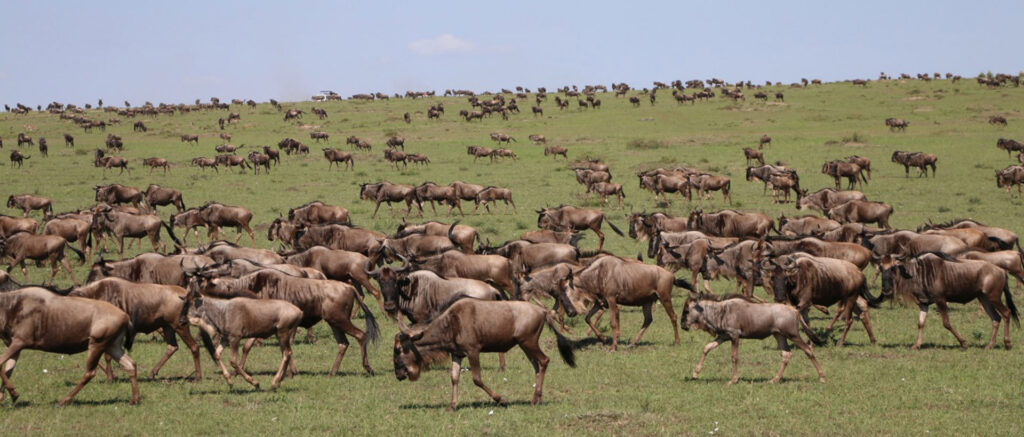
The annual wildebeest migration is one of Africa’s most remarkable wildlife spectacles. Large numbers of wildebeest and other grazing animals move between Tanzania’s Serengeti ecosystem and Kenya’s Maasai Mara in search of fresh grazing.
The Kenyan viewing period is generally associated with July to September, although the timing and movement of the herds vary from year to year.
One important thing to understand is that the migration does not follow a fixed timetable. Animals may arrive in different groups, and river crossings are unpredictable. A visit during migration season does not guarantee that you will witness a crossing.
- Kenyan culture and hospitality
A safari should not be limited to game drives.
Kenya has diverse communities, traditions, food and ways of life. Travellers can learn about Maasai and Samburu culture, enjoy local food, experience Swahili coastal traditions and discover Nairobi’s distinctive urban culture.
The country’s hospitality industry also offers a wide range of accommodation, from intimate owner-managed camps to established luxury safari lodges.
Best national parks and reserves to visit in Kenya
Choosing the right destinations is one of the most important parts of planning a safari. Not every park offers the same experience, and the best choice depends on your interests, available time and budget.
- Maasai Mara National Reserve
The Maasai Mara is arguably Kenya’s most famous safari destination. It is particularly known for its high concentration of wildlife, big cats and the annual wildebeest migration.
It is an excellent choice for first-time visitors who want a classic African safari.
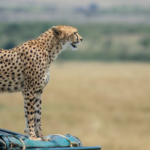
You can look out for lions, elephants, leopards, buffaloes, rhinos, cheetahs, giraffes, zebras and many other species.
My perspective: The Mara is one of Kenya’s strongest destinations for wildlife density and migration viewing. However, I would not advise travellers to visit Kenya believing that the Maasai Mara is the only park worth seeing. Outside migration season, destinations such as Amboseli, Tsavo and Samburu can offer equally rewarding safari experiences, depending on what you want to see.
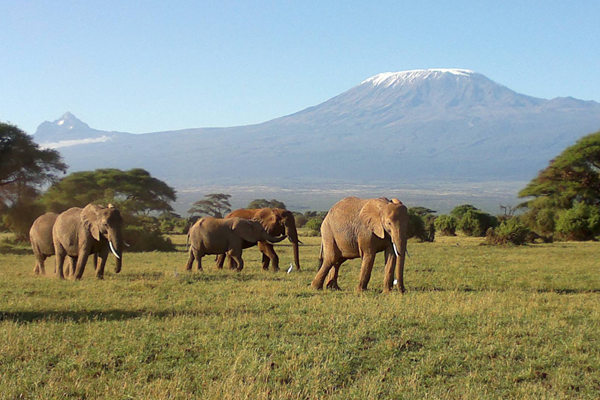
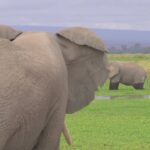
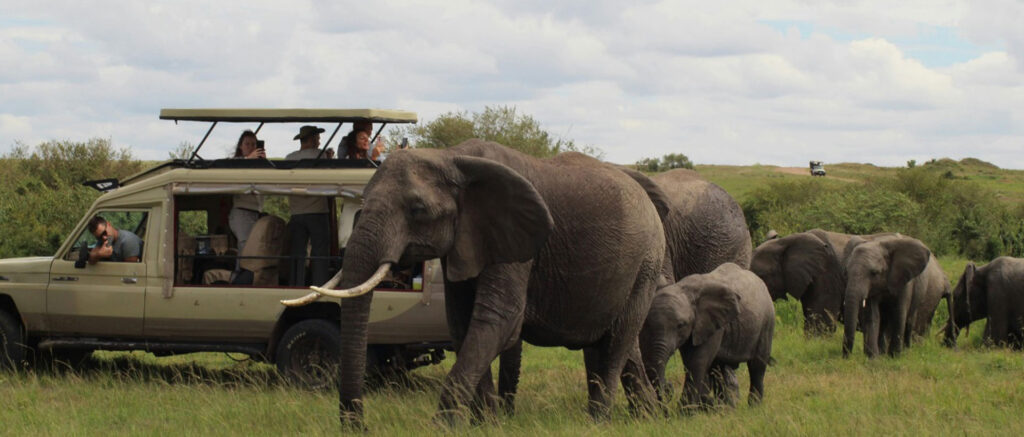
Amboseli is famous for its large elephant herds and spectacular views of Mount Kilimanjaro. It is also one of the more convenient major safari destinations for travellers starting in Nairobi.
I particularly recommend Amboseli for families because the journey from Nairobi is relatively shorter than travelling to destinations such as the Maasai Mara. This means less time on the road and more opportunity to enjoy the destination. Amboseli is a good choice for travellers interested in elephants, photography and beautiful scenery.
- Samburu National Reserve
Samburu is one of my favourite recommendations for travellers who want something different from the usual safari circuit. Located in northern Kenya, Samburu has a distinctive landscape and wildlife experience. It is known for the Samburu Special Five:
- Grevy’s zebra
- Reticulated giraffe
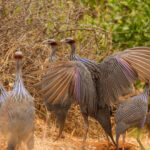
- Somali ostrich
- Beisa oryx
- Gerenuk
The reserve also has elephants, lions, leopards and other wildlife. Beyond the animals, Samburu offers vast landscapes, opportunities to experience Samburu culture and a generally quieter safari atmosphere than the busy migration areas of the Maasai Mara.
My perspective: Samburu is underrated. Many travellers overlook it because the Maasai Mara receives more international attention. If you want a less crowded experience and an opportunity to explore northern Kenya, Samburu deserves serious consideration.
- Tsavo East and Tsavo West National Parks
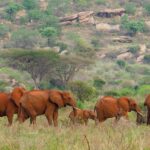
Together, Tsavo East and Tsavo West form one of Kenya’s largest protected wilderness areas. Tsavo East is known for its expansive open landscapes and the famous red elephants, whose reddish appearance comes from the iron-rich soil they use for dust bathing.
Tsavo West offers varied scenery, including rocky terrain, hills, springs and volcanic features. These parks are particularly suitable for travellers looking for a more expansive wilderness experience.
- Lake Nakuru National Park
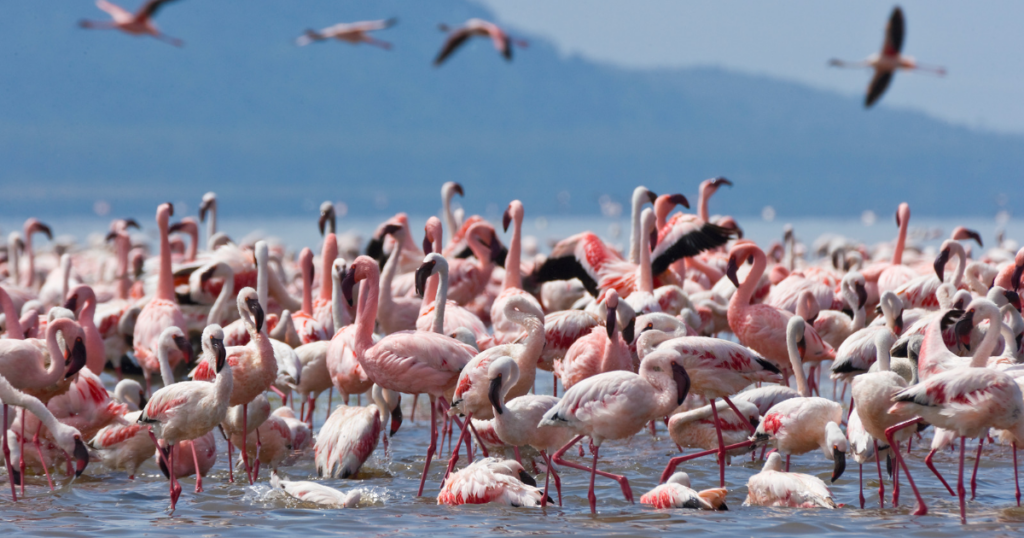
Lake Nakuru is a good addition to a safari itinerary through Kenya’s Rift Valley. The park is known for rhinos, Rothschild’s giraffes and a variety of birdlife. Flamingos may be present, although their numbers and distribution vary with changing lake conditions. It is often combined with the Maasai Mara or Lake Naivasha.
Ol Pejeta Conservancy
Ol Pejeta, in Laikipia County, is particularly important for rhino conservation. It offers a different kind of safari experience, combining wildlife viewing with opportunities to learn about conservation work. It is an excellent destination for travellers who want to understand the role of protected landscapes and conservation initiatives in safeguarding endangered species.
- Lake Naivasha
Lake Naivasha offers a change of pace from traditional game drives. Visitors can enjoy boat excursions, birdwatching and opportunities to see hippos. It is often included in itineraries combining the Rift Valley lakes with the Maasai Mara.
- Nairobi National Park
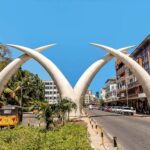
One of Kenya’s most unusual safari experiences is Nairobi National Park, located close to the capital city. It is possible to enjoy a game drive with Nairobi’s city skyline in the background.
This makes it particularly convenient for travellers with limited time in Nairobi or those who want a safari experience before or after an international flight.
How many days do you need for a safari in Kenya?
The ideal duration depends on your budget, interests and the number of destinations you want to visit. My recommendation is to allow at least seven days if you want to explore several destinations without feeling rushed.
A common mistake is trying to visit too many parks in a short period. Kenya’s parks are not all located next to one another. Travelling between them can take several hours, and some roads become difficult during rainy periods.
A slower itinerary gives you more time to enjoy game drives, observe wildlife and appreciate each destination. If you have more time, an eight- to ten-day safari can also include a beach extension.
Example: An 8-day Kenya bush and beach itinerary
This itinerary combines wildlife experiences in southern Kenya with time on the coast.
| Day | Destination | Experience | |
| Day 1 | Nairobi – Amboseli | Travel to Amboseli and enjoy an afternoon game drive, depending on arrival time. | |
| Day 2 | Amboseli | Morning and afternoon game drives, with opportunities to see elephants and enjoy Kilimanjaro views. | |
| Day 3 | Amboseli – Tsavo East | Travel to Tsavo East and enjoy a game drive. | |
| Day 4 | Tsavo East – Taita Hills | Continue to Taita Hills and enjoy the sanctuary experience | |
| Day 5 | Taita Hills – Diani | Travel towards the coast and check in at your beach hotel | |
| Day 6 | Diani | Beach relaxation and optional water activities | |
| Day 7 | Diani | Explore the coast or enjoy optional excursions | |
| Day 8 | Diani – departure | Transfer for your onward journey | |
This is a seven-night itinerary: two nights in Amboseli, one in Tsavo East, one in Taita Hills and three in Diani.
The itinerary can be adjusted depending on flight times, accommodation preferences and the activities travellers want to include.
How much does a safari in Kenya cost?
Safari costs vary considerably. There is no single price for a Kenyan safari because the final cost depends on accommodation, transport, park fees, the number of travellers, the destinations selected and the level of service.
As an indicative guide, the following are the daily per-person ranges we use when explaining different safari categories to travellers.
| Safari category | Indicative cost per person per day |
| Budget | US$150–300 |
| Mid-range | US$300–600 |
| Luxury | US$700–1,500+ |
These are planning estimates, not fixed market prices or guaranteed quotations. Actual costs depend on the itinerary, season, group size and inclusions.
What determines the cost of a Kenyan safari?
- Accommodation: Your choice of camp or lodge has a major impact on the overall price. A budget tented camp, a comfortable mid-range lodge and an exclusive luxury property will have different rates.
- Park and conservancy fees: Entry charges vary depending on the destination and applicable visitor category. Private conservancies may have additional charges.
- Transport: The type of safari vehicle, duration of use and distance travelled all affect the cost.
- Guide services: Professional guide services are an important part of the safari experience.
- Number of travellers: The cost per person can change depending on whether you are travelling alone, as a couple, with family or as part of a group.
Is a budget safari worth it?
A budget safari can be a good option, particularly for travellers who want to experience Kenya’s wildlife while keeping costs manageable. However, I would caution against choosing a safari based on price alone.
I have encountered travellers who initially rejected a quotation because they felt it was too expensive. After comparing group joining options, one traveller chose a budget group safari but was disappointed with the experience and later upgraded to a mid-range option. The lesson is not that budget safaris are necessarily bad. It is that travellers should understand what they are paying for before making a decision. Compare the itinerary, accommodation, vehicle, meals, park fees and inclusions rather than looking at the headline price alone.
Safari transport: Should you choose a Land Cruiser or safari van?
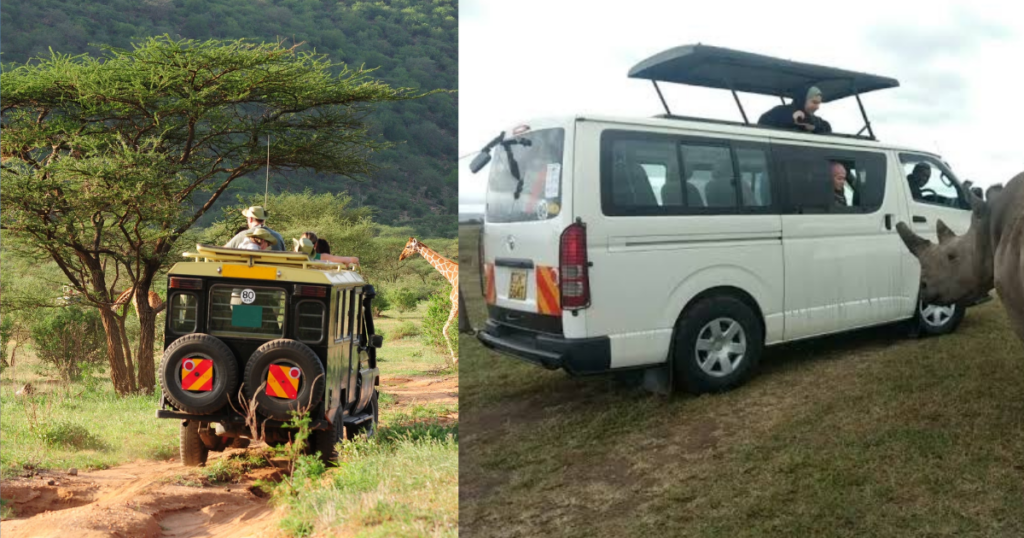
The vehicle you use can make a significant difference to your safari experience. Safari vans are a practical and relatively affordable option. They can work well for shorter excursions and destinations such as Nairobi National Park.
However, for longer safaris and remote destinations, I generally recommend a 4×4 Land Cruiser. A Land Cruiser is more comfortable for many travellers and better suited to rough, muddy or uneven terrain. It offers greater flexibility when travelling through challenging safari environments, particularly during rainy seasons.
For destinations such as the Maasai Mara, where road conditions can become difficult, a 4×4 vehicle is a sensible choice. If your budget allows, I would recommend a Land Cruiser for a multi-day safari.
Should you stay inside or outside a national park?
This is a common question when choosing safari accommodation.
From my experience, there is not necessarily a major difference in service delivery between camps located inside a park and those outside it. The biggest difference is often convenience. When you stay inside a park, you are already within the wildlife environment. You can begin your game drive without first travelling through the park gates.
When you stay outside, you normally have to drive into the park before beginning your game-viewing experience.
When I recommend accommodation outside the park: It can be a sensible option for travellers who are more concerned about keeping their safari costs manageable. Some properties outside park boundaries provide good accommodation and service at more affordable rates.
When I recommend accommodation inside the park: Convenience becomes especially important during experiences such as the Great Migration. If the migration viewing areas are deep inside the reserve, staying closer to those areas can reduce unnecessary driving and help you make better use of your time.
The right decision depends on your budget, itinerary and wildlife-viewing priorities.
When is the best time to go on safari in Kenya?
Kenya offers safari opportunities throughout the year, but different seasons provide different experiences.
- July to September: The Great Migration period
This is a popular period for travellers hoping to see the wildebeest migration in the Maasai Mara. The season attracts significant visitor interest, particularly around well-known migration viewing areas. However, remember that migration movements and river crossings cannot be guaranteed on specific dates.
- The green season: An underrated safari opportunity
Many travellers focus on the peak safari season and overlook the greener months. In my opinion, the green season deserves more attention. The landscapes become greener, there is often more water and food for wildlife, and some camps experience lower occupancy. This can create a more relaxed atmosphere and allow travellers to enjoy a less hurried experience.
It may also offer opportunities for more personalised service, depending on the property and season. There are disadvantages, too. Rain can affect road conditions, and muddy tracks can make some game drives more challenging.
If you are flexible with dates and do not have the Great Migration as your main objective, consider travelling outside the busiest periods.
Private safari versus group joining safari
Both options have their place. The best choice depends on the traveller.
Private safari
A private safari gives you greater control over your itinerary, departure times, game drives and accommodation choices. It is particularly suitable for families, couples, photographers and travellers who prefer a more personalised experience. You can also adjust your plans more easily when circumstances change.
Group joining safari
Group joining safaris can be a good option for solo travellers who want to reduce transport costs and enjoy the company of other travellers. Instead of paying for a private vehicle alone, you share the safari experience with other guests.
However, group safaris usually have less flexibility because the itinerary and schedule must work for everyone. My advice is to choose the option that fits your travel style and budget rather than assuming one is always better.
Common mistakes to avoid when booking a safari in Kenya
After years of organising safari trips, I have noticed several mistakes that travellers frequently make.
- Choosing a safari based only on price
A low quotation may exclude important services or involve compromises in accommodation, transport or itinerary quality.
Always compare what is included.
- Trying to visit too many parks
Travelling between parks takes time. An itinerary that looks impressive on paper may leave you spending too many hours on the road. Choose fewer destinations and give yourself enough time to enjoy them.
- Assuming the Great Migration will always be in the Maasai Mara
The migration is seasonal and unpredictable. It is important to understand the likely movement of the herds and manage expectations.
- Expecting wildlife sightings to be guaranteed
National parks are not zoos. Animals move freely, and sightings depend on several factors. A professional guide can help you maximise your opportunities, but no operator can honestly guarantee that you will see every animal.
- Ignoring accommodation location
A camp outside a park may offer good value, but it can involve additional driving. During migration season, location can make a considerable difference to the amount of time spent reaching viewing areas.
- Not checking the tour operator
Before paying for a safari, check that the operator is properly registered and licensed by the relevant tourism authorities. You should also look for a credible online presence, independent customer reviews and membership of recognised tourism industry associations where applicable.
Be cautious of quotations that appear unusually cheap without a clear explanation of what is included.
Beyond wildlife: Experiences you should include in Kenya
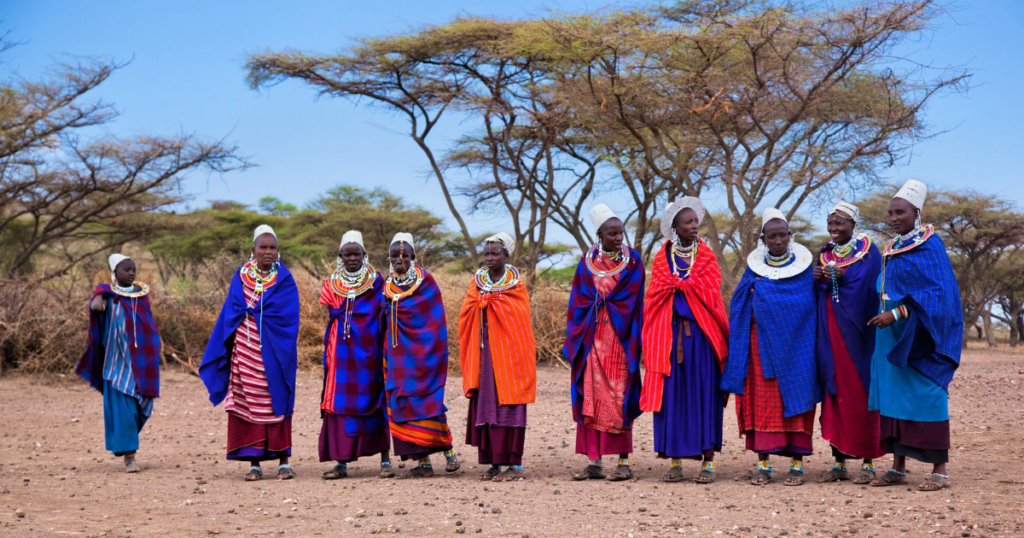
A Kenyan safari should not be only about game drives. There are many ways to connect with the country beyond its national parks.
Consider including:
- Maasai cultural experiences: Learn about Maasai traditions, daily life and cultural heritage through responsible community-based visits.
- Samburu cultural experiences: Discover the traditions and way of life of communities in northern Kenya.
- Local food experiences: Try Kenyan dishes and explore the country’s varied food culture.
- Village visits: Learn about everyday life in communities around safari destinations.
- Swahili coastal culture: Explore the history, food, architecture and traditions of Kenya’s coast.
- Nairobi matatu culture: Experience one of the capital’s most distinctive urban features.
- Community conservation projects: Learn how local communities contribute to wildlife protection and sustainable tourism.
These experiences can make a safari more meaningful because they introduce travellers to the people and cultures that make Kenya special.
Why travel with a locally based safari operator?
Choosing a safari operator is about more than finding someone to book a hotel and vehicle. A good operator should understand the destinations, know the accommodation options, work with reliable guides and be able to respond when plans change.
At Trek Afrika Adventures, two principles guide how we plan our safaris.
- We personally vet the camps and lodges we recommend
We personally vet and audit the camps and lodges we partner with. We prioritise smaller, owner-run properties that demonstrate a genuine commitment to conservation and local community integration.
Rather than relying exclusively on mass-market international hotel chains, we want travellers to experience properties with character and a connection to their surroundings.
We believe this approach can help keep more tourism benefits within East African communities while giving guests a more distinctive experience.
2. We design flexible itineraries rather than rushing travellers
We do not believe in rigid, pre-packaged timelines that rush visitors through national parks. Our itineraries are planned with flexibility in mind. Depending on the trip, this may mean allowing additional time for wildlife photography, accommodating weather changes during mountain climbs or making room for community visits.
We also work with guides who can adjust game-drive timings using available wildlife-tracking information and local reports rather than relying only on fixed schedules.
The aim is simple: give travellers the opportunity to enjoy their experiences without feeling that they are constantly racing against the clock.
Frequently asked questions about safari in Kenya
Is Kenya good for a first African safari?
Yes. Kenya offers a variety of wildlife destinations, accommodation categories and safari experiences. The Maasai Mara and Amboseli are particularly good starting points for first-time visitors.
How many days are enough for a Kenya safari?
I recommend at least seven days if you want to visit several destinations without rushing. If you also want to enjoy the Kenyan coast, consider extending your holiday to eight to ten days or longer.
How much does a Kenya safari cost per person?
As an indicative guide, budget safaris can range from US$150–300 per person per day, mid-range safaris from US$300–600 and luxury safaris from US$700–1,500 or more. Actual costs depend on the itinerary, season, group size, accommodation and inclusions.
Can I see the Big Five in Kenya?
Kenya has destinations where you can look for all five members of the Big Five: lion, leopard, elephant, buffalo and rhino. However, wildlife sightings are never guaranteed.
Is the Maasai Mara the only park worth visiting?
No. Amboseli, Samburu, Tsavo, Lake Nakuru and Ol Pejeta all offer different experiences. Your choice should depend on the wildlife, landscapes and activities you want to enjoy.
Is a Land Cruiser better than a safari van?
For longer safaris and challenging terrain, I generally recommend a 4×4 Land Cruiser because of its comfort and off-road capability. Safari vans can be suitable for shorter excursions and destinations closer to Nairobi.
Should I stay inside or outside the Maasai Mara?
Both options can work. Staying outside the reserve may offer better value, while staying inside can save driving time and provide more convenient access to wildlife-viewing areas.
Can I combine a Kenya safari with a beach holiday?
Absolutely. A safari in Amboseli, Tsavo or the Maasai Mara can be combined with a beach holiday in Diani, Watamu or Malindi, depending on your available time and travel arrangements.
Final advice: Experience more of Kenya, not just the famous destinations
Kenya is an extraordinary safari destination, but the best experience is not necessarily the one that includes the most famous parks or the most expensive accommodation.
Think about what you want from your holiday.
If it is your first safari, the Maasai Mara and Amboseli are excellent places to start. If you prefer fewer crowds and a different landscape, consider Samburu. If you want to combine wildlife and relaxation, add a few days on the coast.
Do not overlook local food, culture and community experiences. And most importantly, avoid rushing through too many destinations simply to tick them off a list.
A well-planned safari should give you time to appreciate the wildlife, the landscapes and the people who make Kenya such a special destination.
Planning a safari in Kenya?
Trek Afrika Adventures creates tailor-made Kenya safaris, bush-and-beach holidays and East African journeys based on your interests, budget and available time.
Visit www.trekkafrika.com or contact our team at bookings@trekkafrika.com to start planning your Kenya safari.