Planning a safari in Kenya is an exciting experience, but choosing the right safari package can sometimes be confusing. With different accommodation standards, transport options, destinations and price ranges, understanding what you are paying for is essential before making a booking.
Kenya safari packages generally fall into three categories: budget, mid-range and luxury. While the basic components are similar, including accommodation, meals, park entry fees, game drives and professional guiding, the quality of accommodation, level of exclusivity and transport arrangements can differ considerably.
At Trek Afrika Adventures, we design tailor-made safari experiences across Kenya and East Africa. From affordable road safaris to exclusive fly-in adventures, we help travellers choose itineraries that match their interests, travel dates and budgets.
In this guide, we explain what Kenya safari packages include, how much they cost, which destinations to consider, the best time to travel and what to look out for when comparing safari quotations.
Table of Contents
- Understanding Kenya Safari Packages
- Types of Kenya Safari Packages
- What’s Included in a Kenya Safari Package?
- What’s Not Included in a Kenya Safari Package?
- Best Destinations to Include in Your Kenya Safari
- Best Time to Book a Kenya Safari
- How to Compare Kenya Safari Packages and Choose an Operator
- Why Choose a Tailor-Made Kenya Safari?
- Plan Your Kenya Safari with Trek Afrika Adventures
- Frequently Asked Questions
1. Understanding Kenya Safari Packages
A Kenya safari package is a travel arrangement that combines several services into one itinerary and quotation. Instead of booking accommodation, transport, park entry fees and game drives separately, travellers can arrange these services through a tour operator.
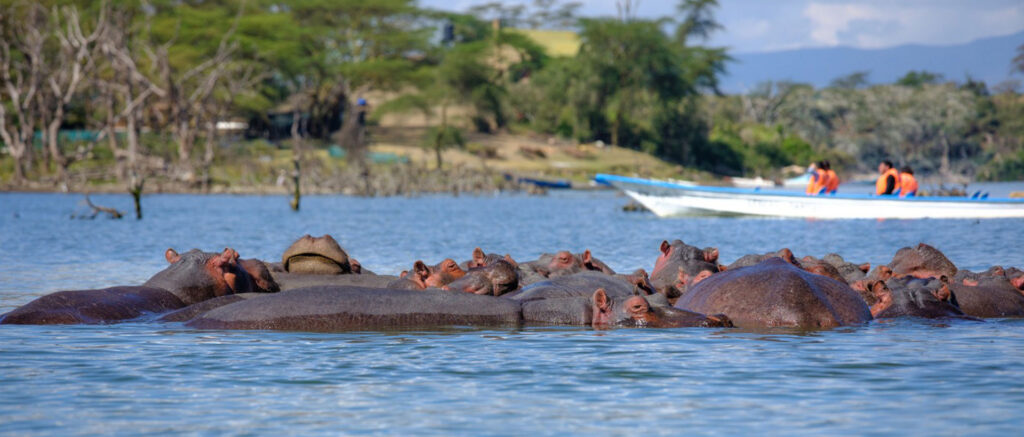
Most safari packages include:
- Accommodation at selected lodges, tented camps or safari camps.
- Meals, depending on the meal plan.
- Park and conservancy entry fees for the destinations included in the itinerary.
- A professional driver-guide.
- Safari transport in a 4×4 vehicle.
- Scheduled game drives.
- Transfers between destinations as specified in the itinerary.
However, not all packages are identical. Some include domestic flights, private vehicles and premium experiences, while others rely on road transfers and shared transport.
Understanding these differences is important when comparing Kenya safari prices. A cheaper quotation may not necessarily offer better value if important services are excluded.
2. Types of Kenya Safari Packages
Kenya safari packages are generally classified into three main categories: budget, mid-range and luxury.
Your choice should depend on your budget, preferred accommodation, travel style and the kind of safari experience you want.
Budget Kenya Safari Packages
Budget safaris are ideal for travellers who want to experience Kenya’s wildlife without spending heavily on accommodation and exclusive services.
These packages typically feature:
- Budget-friendly lodges and tented camps.
- Shared safari vehicles, depending on the operator.
- Road transfers between destinations.
- Scheduled game drives.
- Standard meal arrangements.
- Group departures with other travellers.
Budget safaris are particularly suitable for backpackers, solo travellers, students and visitors who prioritise wildlife experiences over luxury accommodation.
One consideration is flexibility. Shared safaris normally operate on fixed schedules, so travellers may have less freedom to adjust game-drive times or spend additional time at wildlife sightings.
Indicative budget: US$150–300 per person per day.
Mid-Range Kenya Safari Packages
Mid-range safaris offer a balance between comfort, quality and affordability. They are a popular choice for couples, families and first-time safari travellers.
Accommodation typically consists of comfortable lodges and tented camps with private bathrooms, good dining facilities and attractive locations near wildlife areas.
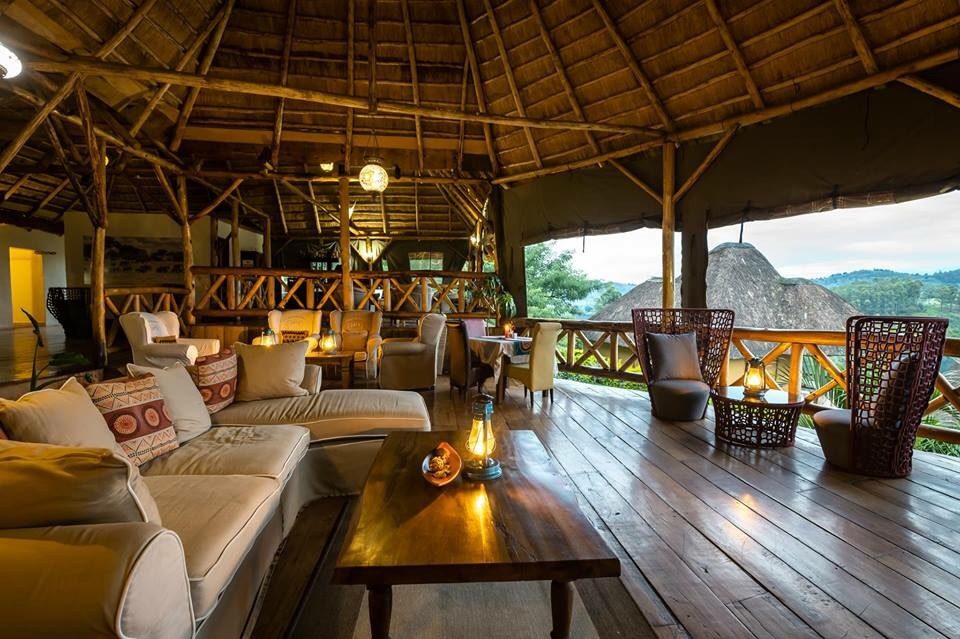
Depending on the itinerary, mid-range packages may include:
- Comfortable lodges and tented camps.
- Private or shared safari vehicles.
- Professional English-speaking driver-guides.
- Full-board accommodation.
- Scheduled game drives.
- Road transfers or selected domestic flights.
- More flexibility in itinerary planning.
For travellers looking for a comfortable safari without the premium cost of exclusive luxury camps, mid-range accommodation is often an excellent option.
Indicative budget: US$300–600 per person per day.
Luxury Kenya Safari Packages
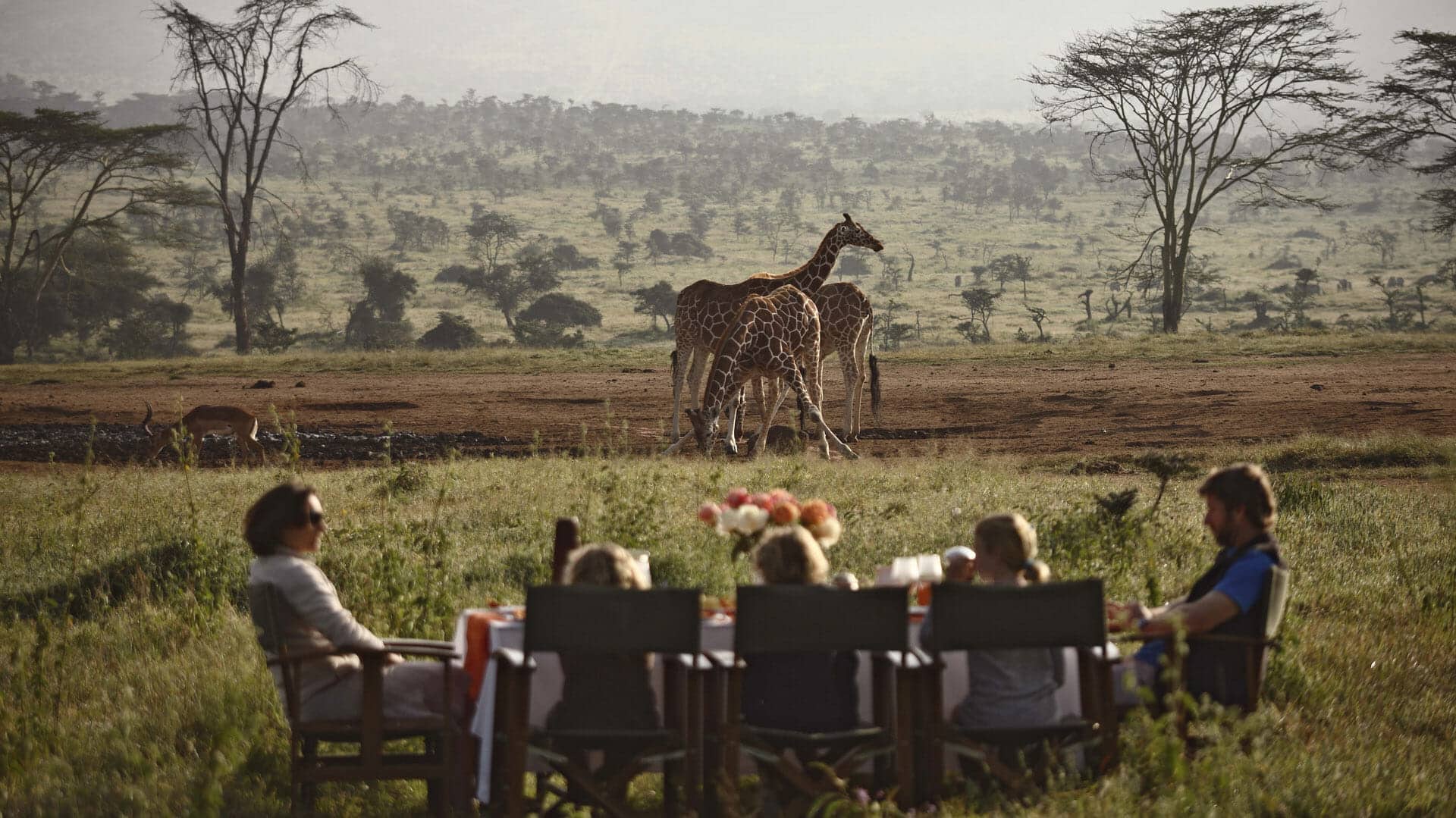
Luxury Kenya safaris are designed for travellers seeking exclusivity, exceptional accommodation and personalised experiences.
These packages often feature premium safari lodges, exclusive tented camps and properties located within private conservancies or prime wildlife areas.
Depending on the arrangement, luxury packages may include:
- High-end safari lodges and luxury tented camps.
- Private 4×4 safari vehicles.
- Experienced specialist guides.
- Exclusive game drives.
- Domestic flights between safari destinations.
- Premium dining and selected beverages.
- Private transfers and personalised services.
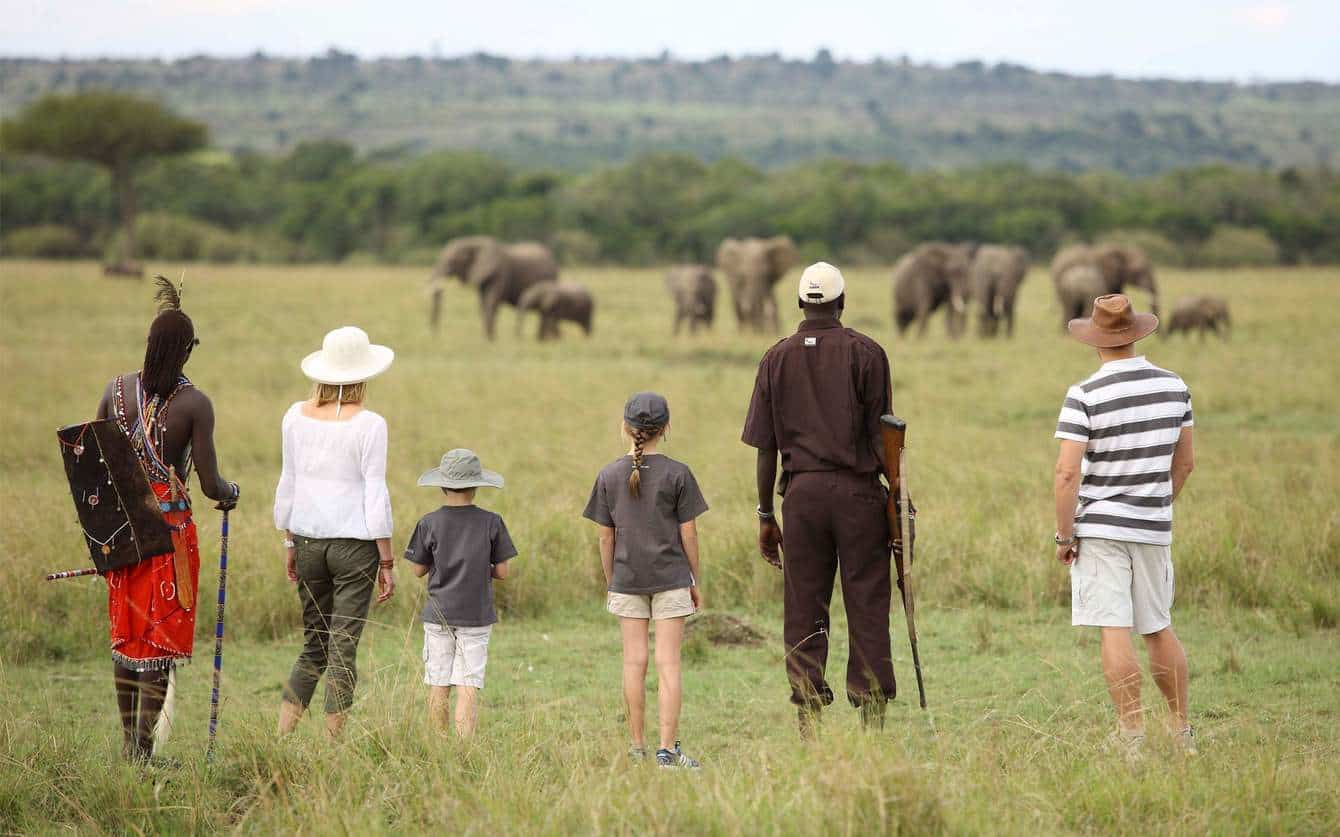
- Optional experiences such as guided walking safaris and hot-air balloon flights.
The wildlife experience itself is not necessarily different from a budget safari. What changes is the level of privacy, comfort, service and flexibility.
Indicative budget: US$700–1,500+ per person per day.
Comparing Budget, Mid-Range and Luxury Safaris
| Feature | Budget | Mid-Range | Luxury |
|---|---|---|---|
| Accommodation | Basic camps and lodges | Comfortable lodges and camps | Exclusive luxury properties |
| Transport | Usually shared | Private or shared | Usually private |
| Transfers | Mainly by road | Road or selected flights | Often fly-in options |
| Game drives | Scheduled | Scheduled or flexible | More personalised |
| Guiding | Professional guide | Professional guide | Specialist or premium guiding |
| Best suited for | Budget-conscious travellers | Couples and families | Exclusive experiences |
These are general descriptions. Actual inclusions depend on the operator, accommodation and itinerary.
3. What’s Included in a Kenya Safari Package?
One of the most important things to understand before booking is exactly what your safari quotation covers.
Although inclusions vary, most comprehensive Kenya safari packages combine the following services.
Accommodation
Accommodation is one of the largest components of a safari package.
Depending on your budget, you may stay in simple safari camps, comfortable tented camps, established safari lodges or exclusive luxury properties.
Location is particularly important. Staying inside a national park or conservancy can reduce transfer times to wildlife-viewing areas, while properties outside the reserve may offer a different price point.
Meals and Dining
Many Kenya safari packages operate on a full-board basis.
This generally includes:
- Breakfast.
- Lunch.
- Dinner.
Some properties also offer packed lunches for travellers spending extended periods on game drives.
Beverages, particularly alcoholic drinks and premium selections, may attract additional charges. Always confirm the meal plan and drinks policy before booking.
Park and Conservancy Entry Fees
Park entry fees are an important part of your safari budget.
Depending on your itinerary, these may cover access to destinations such as:
- Maasai Mara National Reserve.
- Amboseli National Park.
- Lake Nakuru National Park.
- Tsavo East National Park.
- Tsavo West National Park.
- Samburu National Reserve.
Conservancy fees may apply separately where your itinerary includes private or community conservancies.
A reputable quotation should clearly identify which park and conservancy fees are included and the destinations they cover.
Safari Vehicle and Game Drives
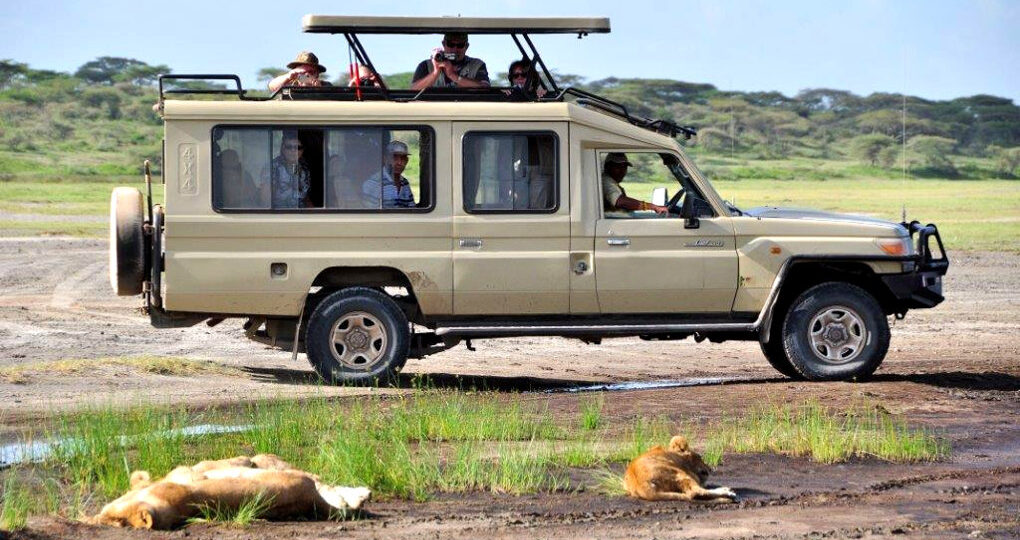
A professional safari vehicle is essential for wildlife viewing.
Most road-based Kenya safari packages use specially adapted 4×4 Land Cruisers or safari vehicles with pop-up roofs that allow travellers to observe and photograph wildlife.
Depending on the package, you may have a shared vehicle or a private vehicle.
A well-equipped safari vehicle may also have:
- Pop-up roof for game viewing.
- Charging points.
- Drinking water.
- Binoculars.
- First-aid equipment.
- Communication equipment.
At Trek Afrika Adventures, we prioritise comfortable safari transport, experienced driver-guides and well-planned game drives.
Professional Driver-Guide
Your safari guide plays a major role in the quality of your experience.
A knowledgeable guide helps you understand animal behaviour, identify wildlife, interpret the ecosystem and navigate the parks.
Beyond finding animals, a good guide makes the safari educational and engaging.
Transfers Between Destinations
Road transfers between parks, lodges and camps are normally included in road-based safari packages.
Domestic flights may be included in selected mid-range and luxury itineraries, particularly where travellers want to minimise long driving distances.
For example, the road journey from Nairobi to the Maasai Mara can take approximately five to six hours, depending on the route and conditions. A scheduled domestic flight is considerably quicker.
Always establish whether your package is road-based or fly-in before comparing prices.
4. What’s Not Included in a Kenya Safari Package?
A safari quotation may cover most of your travel arrangements, but there are additional expenses that travellers should budget for.
Understanding these exclusions helps prevent unexpected expenses during your holiday.
International Flights
International flights to Kenya are generally booked separately unless your package specifically includes airfare.
Travellers should confirm their arrival and departure airports and share flight details with their tour operator to coordinate airport transfers.
Kenya Electronic Travel Authorisation (eTA)
Most international visitors who require an eTA must obtain approval before travelling to Kenya, subject to applicable exemptions.
The application is made through the official government platform:
Travellers should check the latest requirements for their nationality and travel circumstances.
Travel Insurance and Medical Evacuation
Travel insurance is an important consideration when planning a safari.
Look for a policy that covers:
- Medical emergencies.
- Hospitalisation.
- Trip cancellation or interruption.
- Lost or delayed luggage.
- Emergency evacuation where applicable.
Safari destinations can be remote, making appropriate medical and emergency arrangements particularly important.
Drinks and Personal Expenses
Depending on the accommodation and meal plan, the following may attract additional charges:
- Alcoholic beverages.
- Premium soft drinks.
- Laundry.
- Telephone calls.
- Spa treatments.
- Souvenirs.
- Personal shopping.
Optional Safari Experiences
Some activities are not automatically included in standard safari packages.
These may include:
- Hot-air balloon safaris in the Maasai Mara.
- Maasai cultural visits.
- Guided nature walks.
- Boat excursions at Lake Naivasha.
- Night game drives where permitted.
- Special photography experiences.
Confirm the cost and availability of optional activities before departure.
Tipping
Tipping is customary in Kenya’s tourism industry, although the amount is entirely at the traveller’s discretion.
You may wish to budget separately for your driver-guide and camp or lodge staff.
As a planning guide, some travellers budget approximately US$10–25 per person per day for their guide and US$5–20 per person per day for camp staff. These are indicative figures, not compulsory charges or fixed industry rates.
5. Best Destinations to Include in Your Kenya Safari
Kenya offers an impressive range of wildlife destinations, each with its own landscapes, wildlife and safari experiences.
Choosing the right combination depends on your interests, travel duration and budget.
Maasai Mara National Reserve
The Maasai Mara is one of Africa’s most celebrated safari destinations.
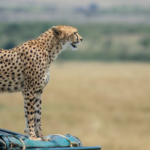
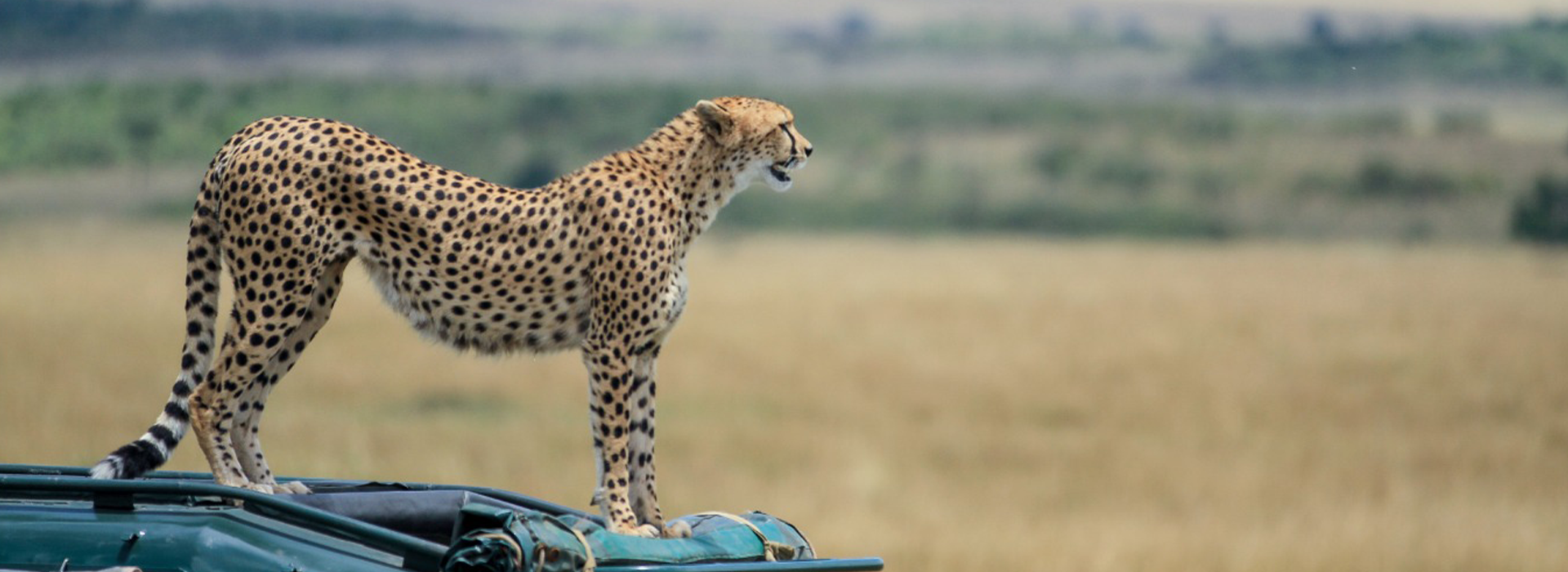
It is famous for its large populations of lions, elephants, cheetahs, leopards and other wildlife.
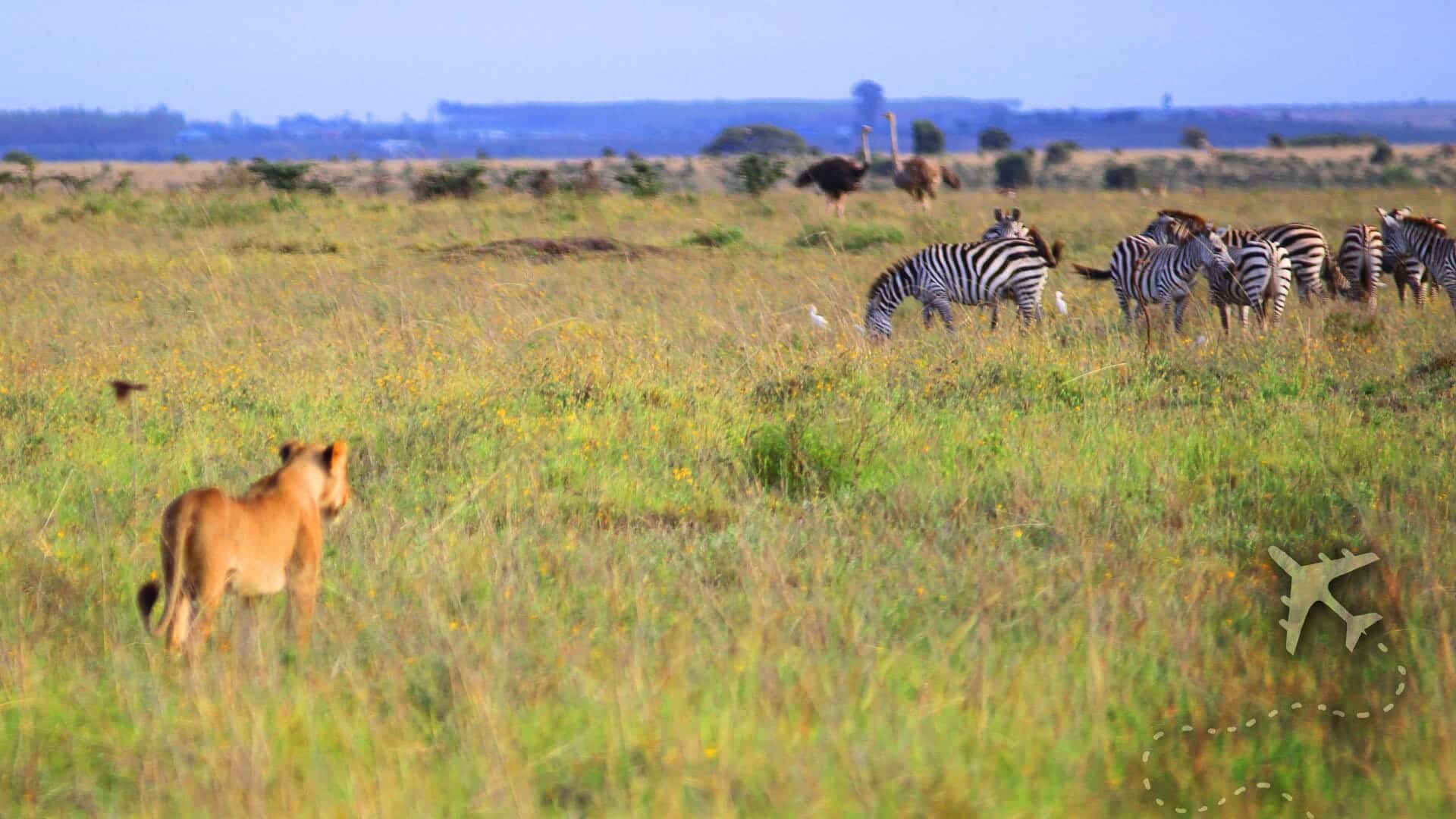
Between approximately July and October, the reserve receives migrating wildebeest and zebras moving north from Tanzania’s Serengeti ecosystem.
The Great Migration is a major attraction, although river crossings are unpredictable and cannot be guaranteed.
The Maasai Mara is particularly suitable for first-time safari travellers and wildlife photographers.
Amboseli National Park
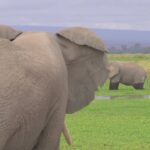
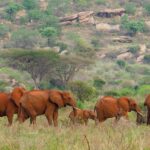
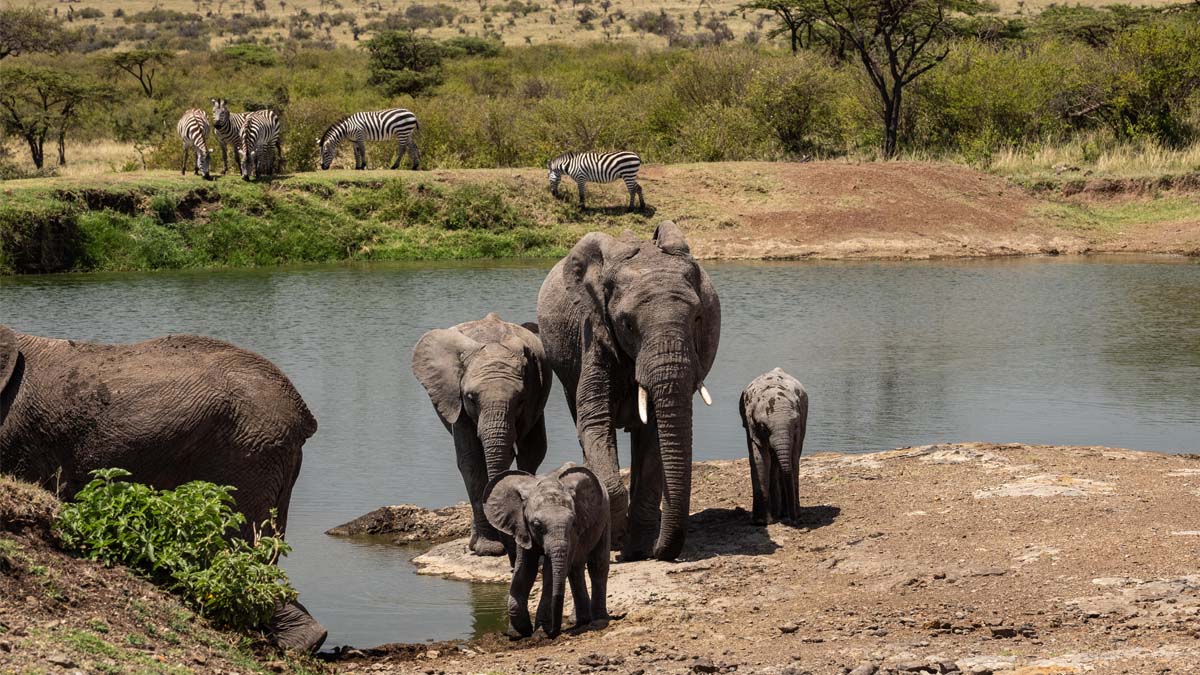
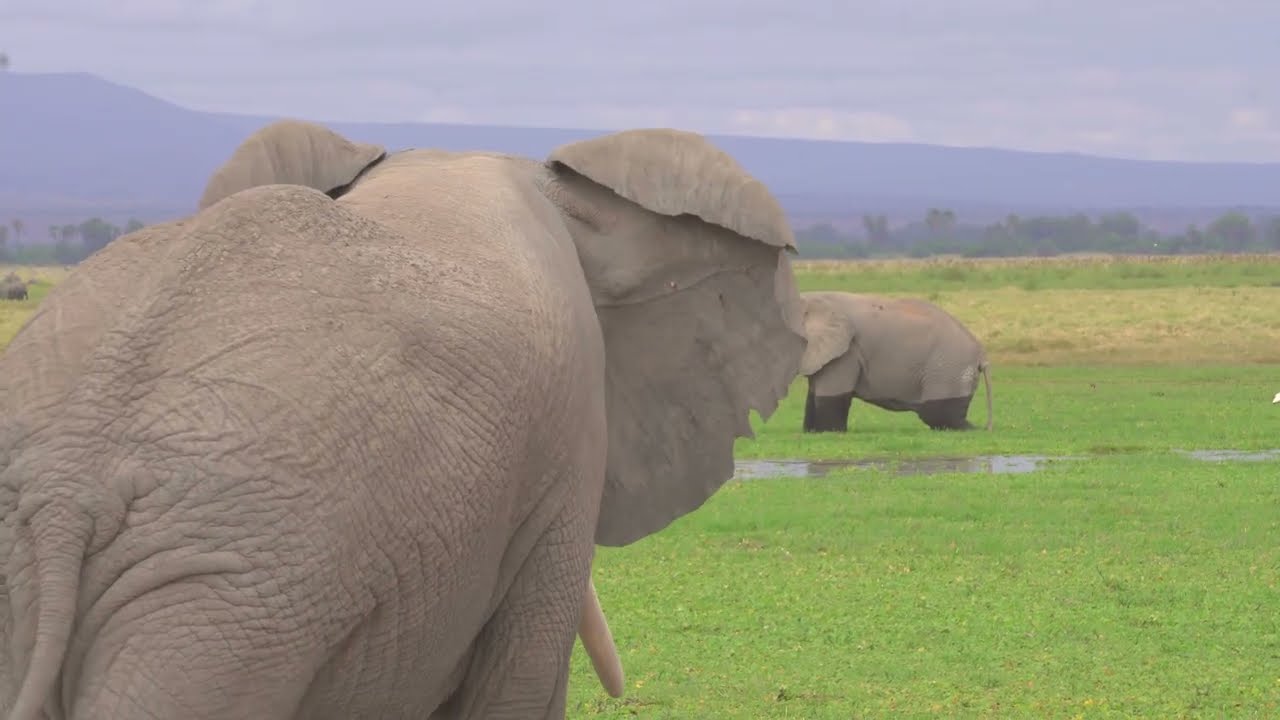
Amboseli is famous for its large elephant herds and spectacular views of Mount Kilimanjaro on clear days.
Its open landscapes provide excellent opportunities for wildlife photography.
The park is particularly attractive to travellers interested in elephants, birdlife and scenic photography.
Samburu National Reserve
Located in northern Kenya, Samburu offers a different wildlife experience from the traditional southern safari circuit.
The reserve is particularly famous for the Samburu Special Five:
- Grevy’s zebra.
- Reticulated giraffe.
- Somali ostrich.
- Gerenuk.
- Beisa oryx.
Its semi-arid landscapes, riverine vegetation and unique wildlife make it an excellent destination for repeat visitors and wildlife enthusiasts.
Tsavo East and Tsavo West National Parks
Together, Tsavo East and Tsavo West form one of Kenya’s largest protected wildlife landscapes.
Tsavo East is known for its expansive open plains and large elephant herds, while Tsavo West offers more varied scenery, including volcanic landscapes and Mzima Springs.
These parks are excellent choices for travellers looking for extensive wilderness areas and less conventional safari circuits.
Lake Nakuru National Park
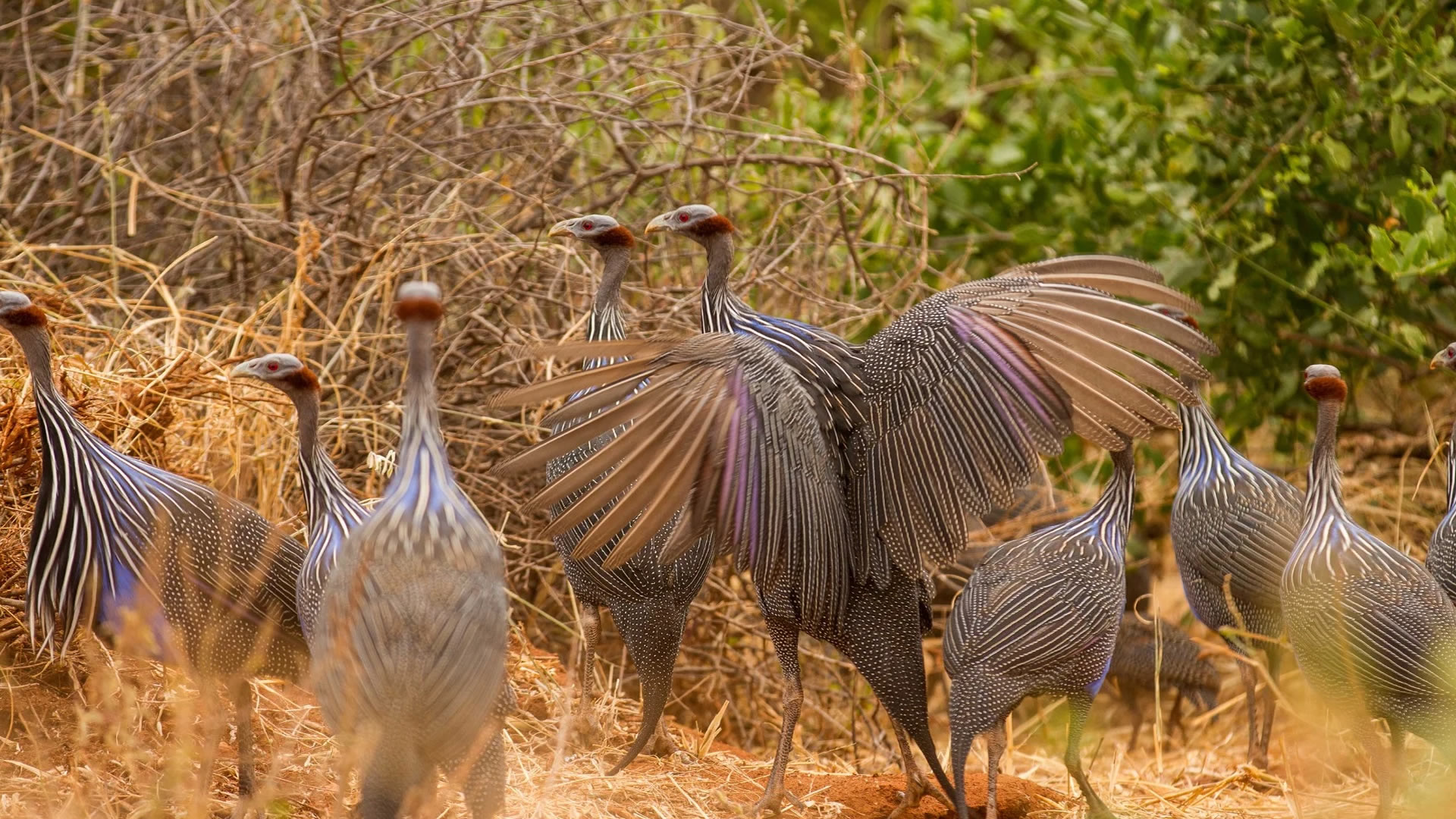
Lake Nakuru is particularly known for its rhino conservation efforts and diverse birdlife.
Visitors may encounter both black and white rhinos, Rothschild’s giraffes, buffaloes and numerous bird species.
Its location also makes it a useful addition to a longer safari circuit connecting Nairobi, the Rift Valley and the Maasai Mara.
Ol Pejeta Conservancy
Ol Pejeta Conservancy in Laikipia is an important wildlife conservation destination.
It is particularly recognised for rhino conservation and its chimpanzee sanctuary.
For travellers interested in conservation, endangered species and responsible tourism, Ol Pejeta offers an excellent addition to a Kenya safari.
6. Best Time to Book a Kenya Safari
Kenya offers wildlife experiences throughout the year, but the timing of your safari can influence accommodation prices, availability, weather and wildlife viewing.
July to October: Great Migration Season
This is one of Kenya’s busiest safari periods.
Wildebeest and zebras move into the Maasai Mara from Tanzania’s Serengeti ecosystem, creating opportunities to witness the Great Migration.
August and September are particularly popular for travellers hoping to see Mara River crossings.
However, river crossings depend on herd movements, rainfall and river conditions. They cannot be guaranteed on any particular date.
Accommodation prices are generally higher during this peak travel period, and popular camps can fill several months in advance.
January to March: Excellent Game Viewing
January through March offers excellent opportunities for wildlife viewing in many Kenyan parks.
The weather is generally drier, vegetation can be less dense and wildlife may be easier to spot in several areas.
This period is particularly suitable for travellers who want a rewarding safari without necessarily travelling during the Great Migration season.
April to May: Long Rain Season
April and May generally receive the long rains.
Some roads may become difficult to navigate, and wildlife can be more dispersed.
However, the landscapes become lush and green, making this period attractive to photographers and travellers seeking quieter experiences.
November to December: Short Rains and Green Landscapes
The short rains generally occur around November and December.
These months bring greener landscapes, excellent birdwatching opportunities and attractive photography conditions.
Wildlife viewing remains possible, although animals may be more dispersed depending on rainfall and location.
7. How to Compare Kenya Safari Packages and Choose an Operator
Choosing a safari operator is just as important as selecting your accommodation and destinations.
A well-organised safari should provide clear communication, reliable transport, knowledgeable guides and transparent pricing.
Before paying a deposit, consider the following.
Check the Operator’s Credentials
Look for a tour operator with the appropriate Tourism Regulatory Authority (TRA) licence.
You can verify tourism licences through the official TRA verification platform:
You may also check membership through the Kenya Association of Tour Operators (KATO) or Tour Operators Society of Kenya (TOSK) directory:
KATO/TOSK membership is a useful additional credibility check, but it is not a substitute for verifying the required tourism licence.
Request an Itemised Quotation
A professional quotation should clearly explain what you are paying for.
Check whether the price includes:
- Accommodation.
- Meals.
- Park and conservancy fees.
- Safari vehicle and driver-guide.
- Game drives.
- Airport and hotel transfers.
- Domestic flights, where applicable.
- Applicable taxes and other charges.
Also ask for clarification on drinks, gratuities and optional activities.
Do not compare two safari quotations based on the headline price alone. Compare the actual accommodation, vehicle arrangements, destinations and inclusions.
Understand the Vehicle Arrangement
Ask whether your safari will use a private or shared vehicle. A private vehicle offers greater flexibility over game-drive schedules, photography stops and the time spent at wildlife sightings.
Shared safaris can be more affordable but usually operate according to a fixed itinerary.
Check the Accommodation
Look beyond the accommodation name and advertised photographs.
Consider:
- Location relative to the park or conservancy.
- Room category.
- Meal plan.
- Facilities.
- Guest reviews.
- Cancellation conditions.
The location of your camp can make a considerable difference to your daily safari experience.
8. Why Choose a Tailor-Made Kenya Safari?
Not every traveller wants the same safari experience. Some want to spend several days photographing wildlife in the Maasai Mara. Others prefer a combination of elephants in Amboseli, rhino conservation at Ol Pejeta and relaxation along Kenya’s coast.
Tailor-made safari packages allow you to design an itinerary around your priorities rather than fitting into a standard departure schedule.
At Trek Afrika Adventures, we organise Kenya safari experiences across different budgets and travel styles.
Our safari planning considers:
- Your preferred travel dates.
- The number of travellers.
- Your accommodation preferences.
- Your wildlife and photography interests.
- Your preferred destinations.
- Your overall travel budget.
- Whether you prefer road-based or fly-in safaris.
We also arrange multi-destination holidays combining Kenya’s wildlife experiences with beach stays in Diani, Watamu and Zanzibar. For travellers exploring more of East Africa, we can also incorporate Tanzania and Uganda into a wider itinerary.
9. Plan Your Kenya Safari with Trek Afrika Adventures
Whether you are planning your first African safari, returning to Kenya for another wildlife adventure or organising a family holiday, choosing the right safari package makes a significant difference.
At Trek Afrika Adventures, we create personalised Kenya safari packages ranging from affordable road safaris to premium fly-in experiences.
Our approach is to understand what you want from your holiday and recommend destinations, accommodation and transport arrangements that suit your expectations and budget.
From a five-day Maasai Mara safari to a seven-day circuit covering Amboseli, Lake Nakuru and the Maasai Mara, we can help you put together an itinerary that makes the most of your time in Kenya.
Ready to start planning?
Contact Trek Afrika Adventures and share your preferred travel dates, number of travellers and the kind of safari experience you are looking for.
Let us help you plan your Kenya safari.
Website: https://www.trekkafrika.com
Email: bookings@trekkafrika.com
WhatsApp: +254 712 215 630
10. Frequently Asked Questions About Kenya Safari Packages
Are park and conservancy fees included in Kenya safari packages?
Park and conservancy fees are commonly included in comprehensive safari packages. However, the exact fees and destinations covered depend on the itinerary. Always check your quotation before booking.
How much does a Kenya safari package cost?
Indicative safari budgets range from US$150–300 per person per day for budget experiences, US$300–600 for mid-range safaris and US$700–1,500 or more for luxury experiences. Actual costs depend on the season, accommodation, group size, transport and itinerary.
Do Kenya safari packages include flights?
Most road-based safari packages do not include international flights. Domestic flights may be included in selected mid-range and luxury itineraries, particularly for fly-in safaris to destinations such as the Maasai Mara.
How many days do I need for a Kenya safari?
A three- to four-day safari can provide a good introduction to one destination. Five to seven days allow travellers to explore multiple parks, while longer itineraries provide more time for wildlife viewing and relaxed travel.
What is the best month to visit Kenya for a safari?
July to October is popular because of the Great Migration in the Maasai Mara. However, January to March also offers excellent wildlife viewing in many destinations. The best month depends on your interests and budget.
Is a private safari better than a group safari?
A private safari offers greater flexibility, privacy and control over your schedule. A group safari is generally more affordable because vehicle and guide costs are shared among travellers.
Can I combine a Kenya safari with a beach holiday?
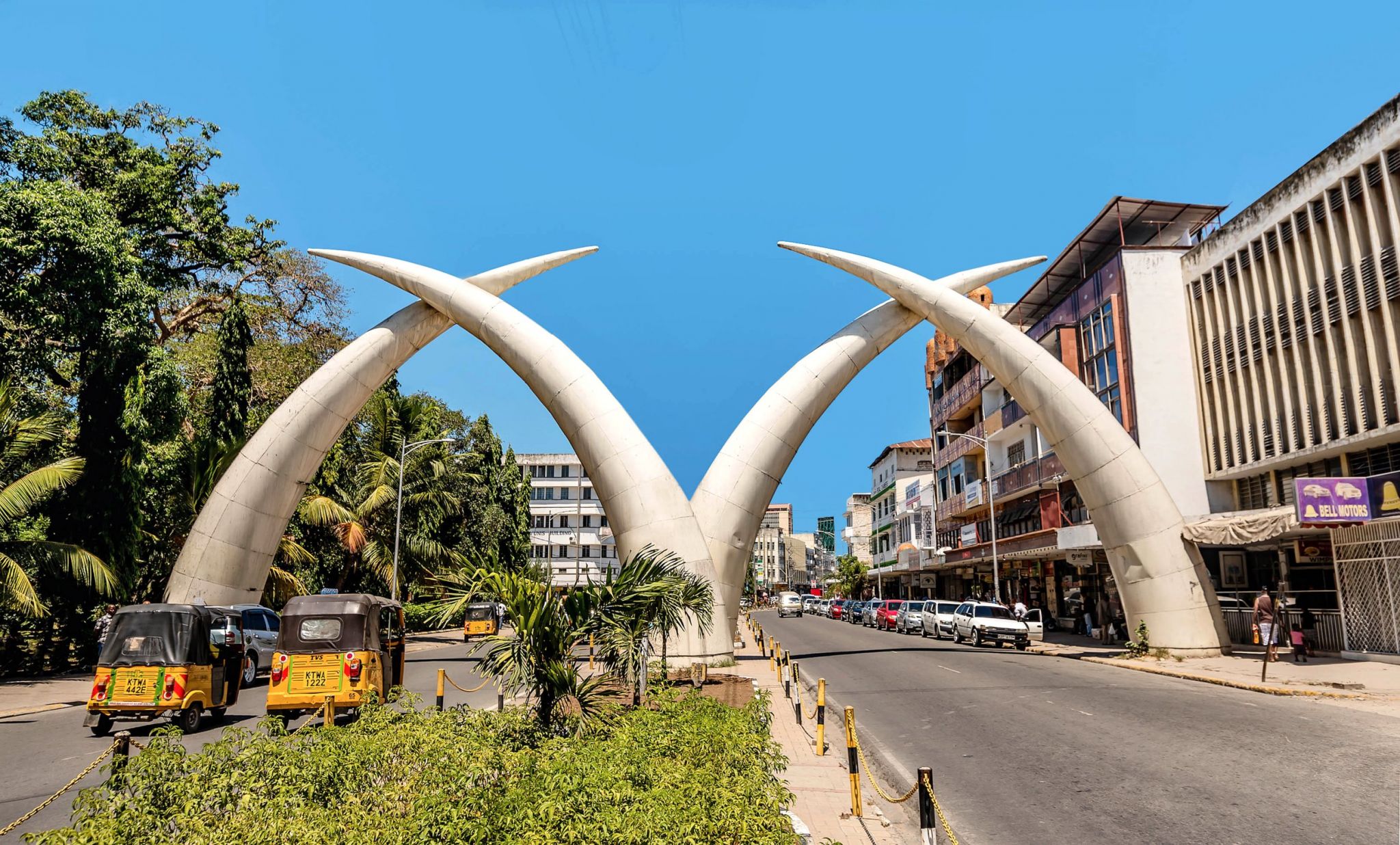
Absolutely. Kenya offers excellent opportunities to combine wildlife safaris with coastal holidays in Diani, Watamu and Malindi. You can also extend your trip to Zanzibar in Tanzania.
How do I choose a reliable Kenya safari operator?
Check the operator’s TRA licence, verify any claimed KATO membership, request a detailed quotation, review the proposed accommodation and confirm the vehicle arrangements and cancellation terms before paying a deposit.
What should I pack for a Kenya safari?
Pack comfortable neutral-coloured clothing, a light jacket, comfortable walking shoes, a hat, sunglasses, sunscreen, insect repellent, binoculars and a camera. Your packing list may vary depending on the season and destinations.