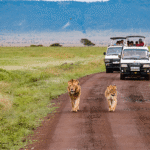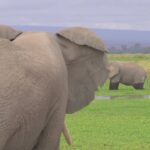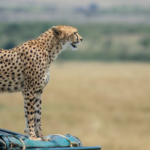

The best time to go for a safari in Kenya is from the month of June all the way to the month of October, when the roads are dry, high wildlife concentration, and Great Migration river crossings in the Maasai Mara happens. The month of January and February are considered as the best alternative, with quieter parks and good game viewing. April, May, and November are generally the cheapest and greenest months, with a real chance of rain.
The perfect safari months depends on what you value most: wildlife viewing, costs, or crowds and bad roads. Trek Afrika Adventures is a Kenya-based tour operator, and this guide reflects how the calendar tends to play out on the ground
Table of Content
- Introduction: Best Time for Safari in Kenya
- What Are Kenya’s Safari Seasons, and How Do They Differ by Park?
- The Four-Season Rhythm: Long Rains, Long Dry, Short Rains and Short Dry
- How Different Safari Destinations Behave
- Best Time for a Safari in Kenya by Month
- January and February: Warm, Dry and Quietly Excellent
- March: The Rains Begin
- April and May: The Wettest Months
- June: The Shoulder Month
- July to September: Peak Dry Season and Migration
- October: Busy, Then Easing
- November and December: Short Rains and Holiday Peaks
- When Is the Great Migration in Kenya?
- Why River Crossings Cannot Be Guaranteed
- Best Time to See the Migration Outside Peak Months
- Is a Green Season Safari Worth It?
- Benefits of Travelling During the Green Season
- Challenges of Green Season Safaris
- How Much Does a Kenya Safari Cost?
- Prices, Crowds and Lodge Availability by Month
- When Should You Book Your Safari?
- Which Month Is Best for Your Travel Priorities?
- What Should US Travellers Know Before Choosing Safari Dates?
- Flights, Vaccinations and Entry Requirements
- Crowds and Budgeting in US Dollars
- Combining a Safari with a Beach Holiday
- The Best Time for a Kenya Safari Depends on Your Priorities
- Frequently Asked Questions
- Which months offer the best Kenya safari experience with fewer crowds?
- Is June a good compromise between wildlife viewing and cost?
- When is the best time for birdwatching?
- Can I combine a Kenya safari with a beach vacation?
What are Kenya’s safari seasons, and how do they differ by park?
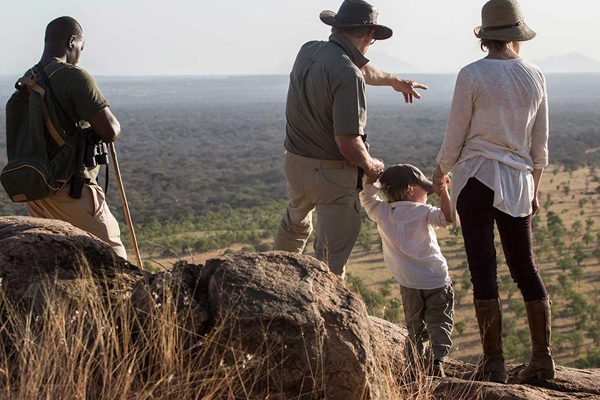
Kenya has two dry seasons and two rainy seasons, but timing and intensity vary by region. The pattern is easy to remember once you see it laid out.
The four-season rhythm: long rains, long dry, short rains, short dry
The long rains run roughly March to May. The long dry season follows from June to October. October is a transition month: the first showers of the short rains can arrive late in the month or in November, and they last through December, often as brief afternoon showers. The short dry season covers January and February. Dry season means easier roads and animals gathered near water, while the rains bring green landscapes and fewer visitors.
How the Maasai Mara, Amboseli, Tsavo, and Samburu each behave
| Region | Typical pattern and best conditions |
|---|---|
| Maasai Mara | Long rains can start in March; April and May are muddiest. July to October is popular for dry conditions and the migration. Resident wildlife makes it worthwhile year-round. |
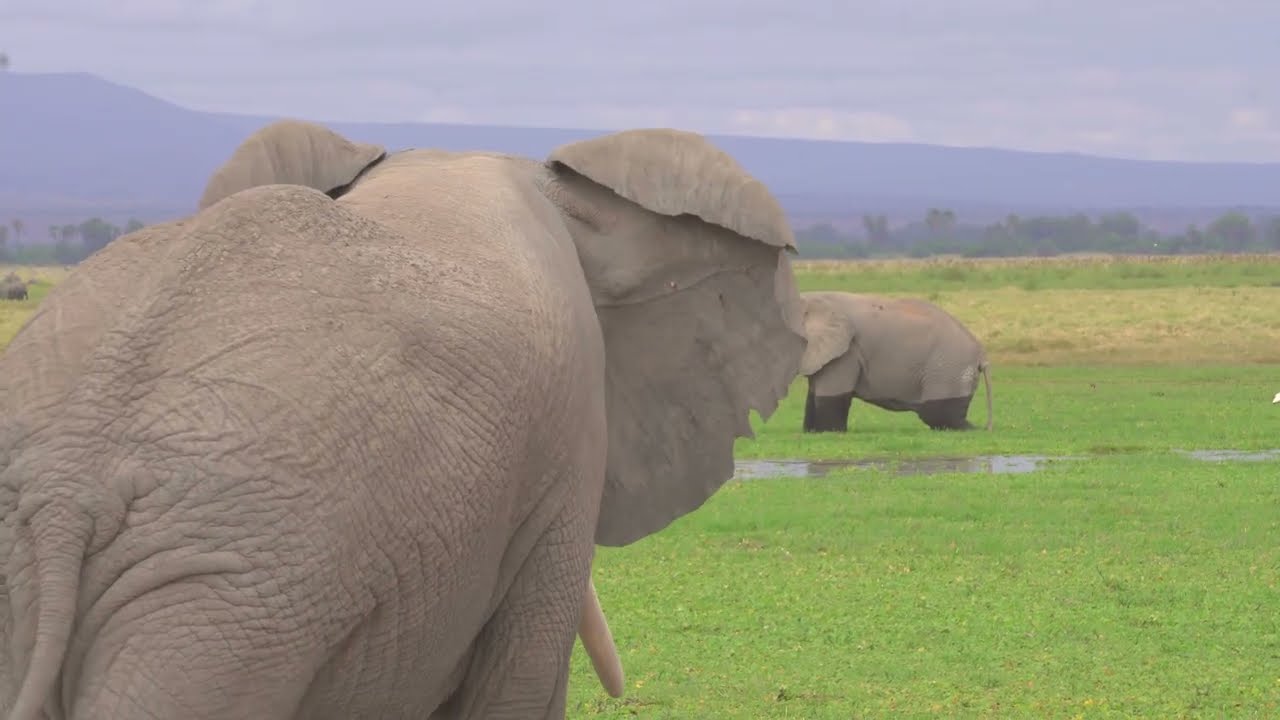
| Amboseli | Best June to October and January to February, with elephants near permanent swamps and clearer Kilimanjaro views. |
| Tsavo East and West | Best in the two dry seasons, when animals gather around water. Rains turn it green but muddy. |
| Samburu and northern Kenya | Hotter and more arid. In dry periods, wildlife clusters along the Ewaso Ng’iro River. |
| Laikipia | Cooler highlands with cold mornings from June to September. Viewing is possible year-round. |
| Lake Nakuru and Rift Valley | More variable rain. April and May can be very wet, and showers may linger into June to August. |
| Coast | Hot and humid year-round, with wetter spells in April to May and November to December. |
Best time for a safari in Kenya by month: what does each one look like?
January and February: warm, dry, and quietly excellent
January and February are the short dry season. You get warm days, strong predator action, newborn animals, and fewer visitors than in peak months, with moderate prices. Popular lodges still need advance booking, even though the parks feel calmer.
March: the rains begin
March is the start of the long rains, and early showers can arrive in the Mara. Some days are still bright and dry, but plan for the possibility of mud and storm-shortened game drives.
April and May: the wettest months
April and May are the wettest and muddiest months, with the lowest prices and some camp closures. According to Kenya Experience, discounts commonly reach 30 to 50 percent.
June: the shoulder month
Roads are drying, prices are rising, and availability is better than in July through September.
July to September: peak dry season and migration
Dry grass, concentrated animals, and the best visibility define this stretch. It also brings the highest rates and the tightest lodge inventory, with August the busiest month.
October: busy, then easing
October is still busy early on, with prices easing late in the month as the short rains approach. Rain can be variable, so keep your plans flexible.
November and December: short rains and holiday peaks
Early November means green scenery, migratory birds, quiet parks, and lodge deals. Christmas and New Year form a separate peak with higher rates, so don’t assume December is cheap all month.
When is the Great Migration in Kenya, and can you count on river crossings?
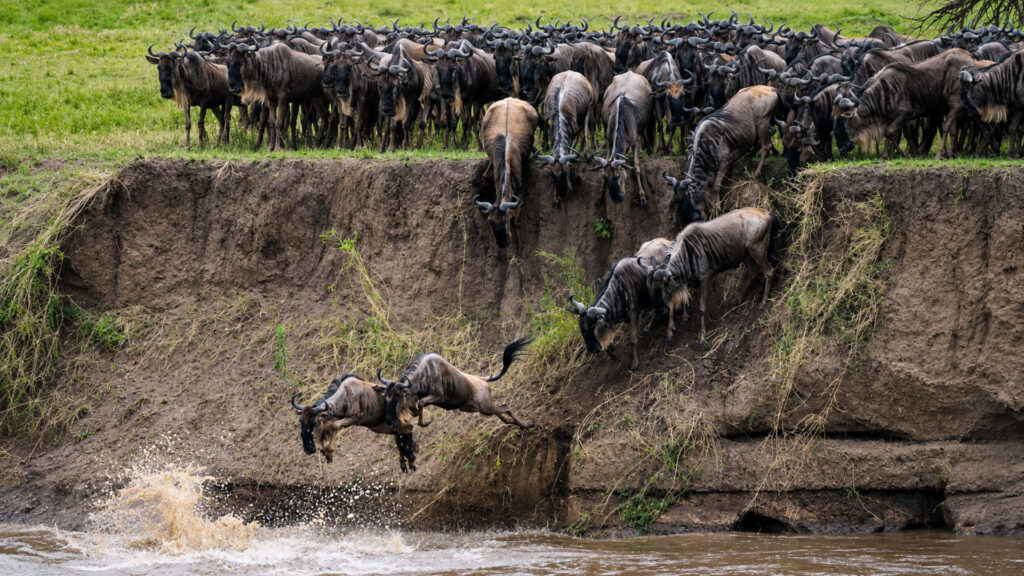
The herds typically reach the Maasai Mara from late July, and the main season runs roughly through October. August and September are usually the best window for big herds and Mara River crossings, though timing shifts with rainfall and grazing.
Why crossings can’t be promised (and how to improve your odds)
Crossings are highly unpredictable. Herds gather at the bank, retreat, wait for hours or days, or cross several times in one day. No operator can promise a sighting.
You can improve your odds. Stay at least three to four nights in the Mara, keep your schedule flexible, and go with a guide who reads the herd’s mood.
Best time to see the Great Migration in Kenya if you can’t travel in peak months
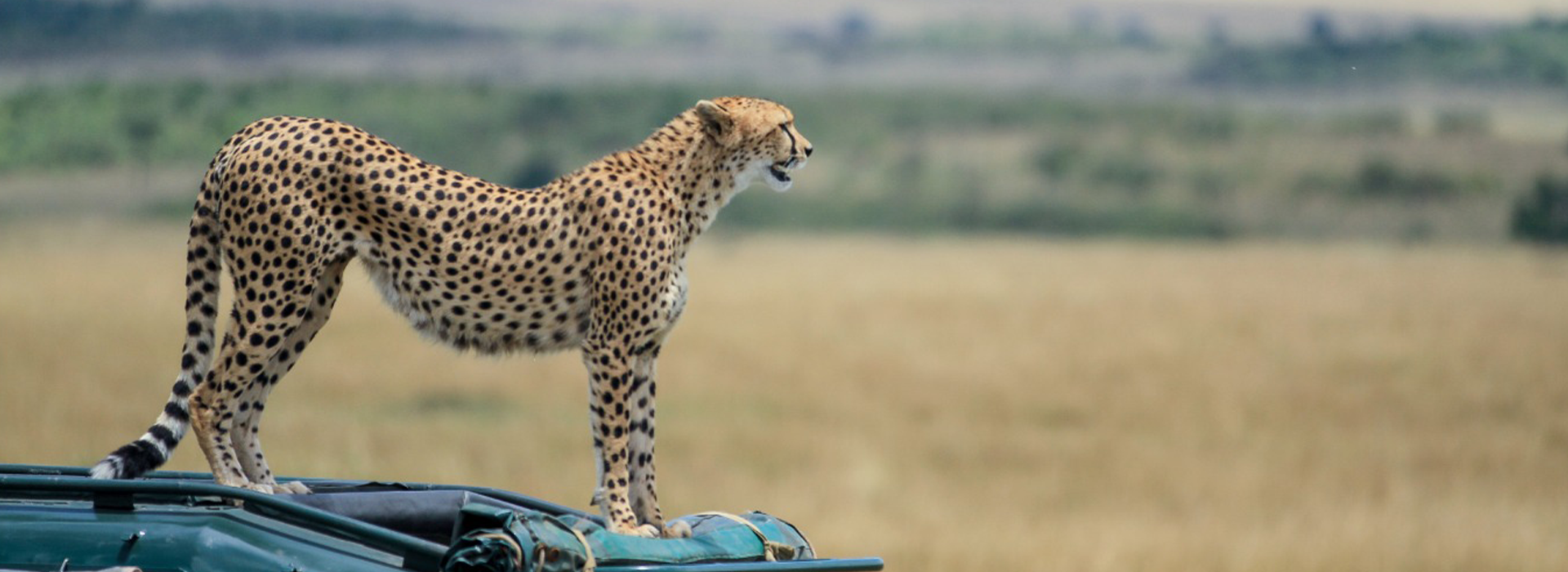
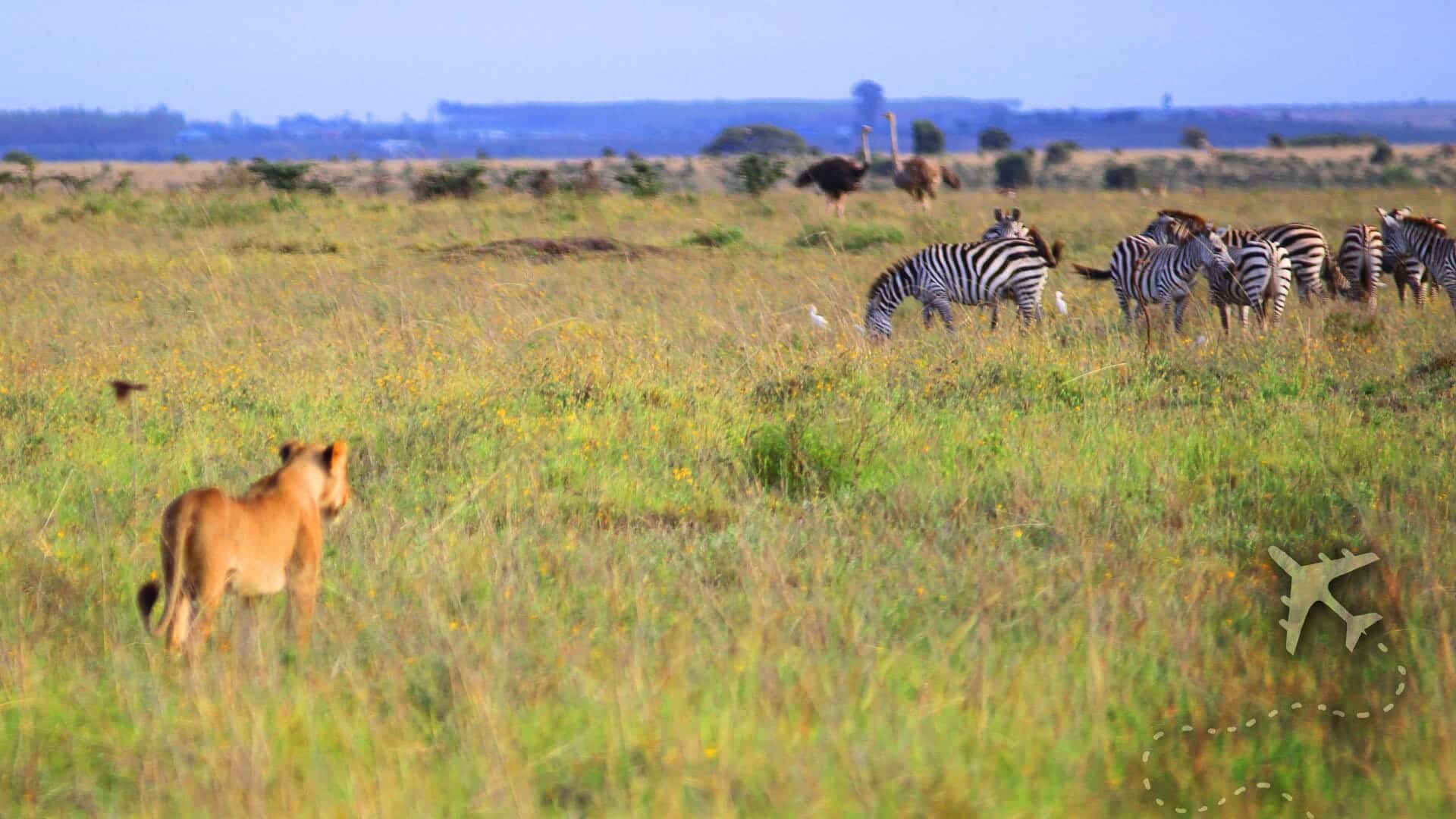
Yes, a safari outside migration months is still worth it. The Mara’s resident wildlife, including lions, elephants, and the Big Five, makes it worthwhile year-round. January and February are a strong, quieter alternative.
Is a green season safari worth it?
It can be, if you value savings and scenery over easy travel. Here is what you gain.
- Lower prices and fewer vehicles at sightings
- Lush landscapes, dramatic skies, and great photography light
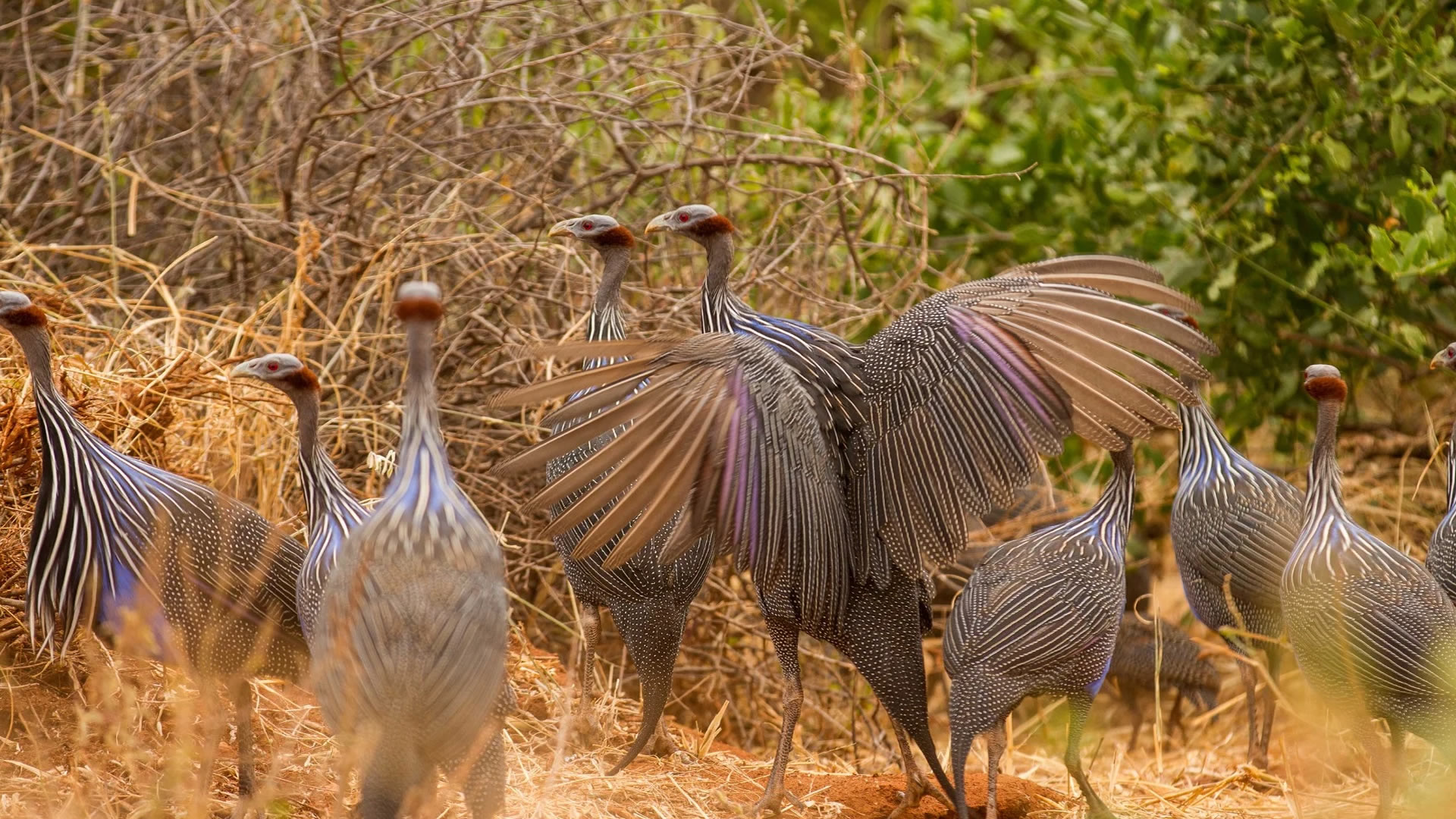
- Excellent birdwatching, especially in November and December
- Newborn animals and the predator activity that follows
And here are the trade-offs.
- Muddy or impassable roads
- Less predictable game viewing, with tall grass and dispersed animals
- Storm-shortened game drives
- Seasonal camp closures
- More mosquitoes
- Cloudier Kilimanjaro views at Amboseli
The short rains in November and December are the better compromise. April and May offer the lowest prices and the most solitude, but carry the highest risk of disruption. Some areas see births during rainy periods, but no one can guarantee a specific wildlife sighting.
How much will a Kenya safari cost, and how far ahead should you book?
Prices, crowds, and lodge availability by month
| Period | Prices | Crowds | Lodge availability |
|---|---|---|---|
| January to March | Moderate | Moderate | Good; popular lodges need advance booking |
| April to May | Lowest | Very low | Broad, but some camps close |
| June | Rising | Increasing | Better than July to September |
| July to September | Highest | Highest, especially August | Tightest; prime camps sell out |
| October | Still high, easing late | Busy | Improving, but top camps limited |
| November | Low to moderate | Quiet | Usually excellent |
| December | Low early, sharply higher at holidays | Quiet, then busy | Holiday dates fill fast |
For a rough 2026 comparison, mid-range lodge safaris costs around $250 to $400 per person per night in lower or shoulder seasons and about $400 to $550 at peak.
When to book for your travel month
Premium Maasai Mara camps for July to September can sell out many months ahead, so book as soon as your dates are set. Christmas and New Year fill quickly too. Shoulder and green-season dates are more flexible.
Which priority fits which month?
For the lowest cost, choose April, May, or November. For the best balance, pick January and February, June, or early October. The classic migration is August and September, and first-timers do well in July to September.
What should US travelers know before choosing dates, and how can Trek Afrika help?
Flights, vaccinations, and entry basics for Americans
Flights to Nairobi are long, so arrive a day early to adjust. US travelers generally need an approved Kenya eTA, so check the official eTA system for current requirements before departure. Your passport should typically be valid for at least six months beyond your planned stay and have blank pages, but verify the current Kenyan rules before you travel.
See a travel clinic or doctor about four to six weeks before departure to talk through routine vaccines and malaria prevention. Yellow fever vaccination recommendations and proof-of-vaccination entry requirements are different things, and both depend on your itinerary, so confirm them with the CDC’s Kenya traveler guidance.
Mosquito activity rises in the rainy months, so repellent and prophylaxis matter even more then.
Crowds and USD budgeting
Safari rates are commonly quoted in US dollars, which keeps budgeting simple. Crowd levels swing with the calendar, as the table above shows. Tipping for guides and camp staff is customary, so set a little aside in your budget.
Letting local experts time the trip and add a beach extension
We tailor dates around your priorities: migration, budget, fewer crowds, or rain tolerance. Bush-to-beach itineraries can pair the Maasai Mara or Amboseli with Diani Beach or Zanzibar. Dry-season safaris pair well with beach time, while coastal rains peak in April to May and November to December, so it helps to match the beach month to the safari month.
The best time for a safari in Kenya matches your priorities
Choose June to October, especially late July to September, for dry-season wildlife and the migration. Choose January and February for quiet parks and excellent game viewing. Choose April, May, and November for savings and green scenery. The best time for a safari in Kenya is a personal choice, not a single month.
Reach out to Trek Afrika Adventures and share your travel dates, wildlife wishes, and budget. We’ll build a tailor-made itinerary around them, with a Diani or Zanzibar beach stay if you’d like one.
Frequently Asked Questions
Which months are best for a Kenya safari with fewer crowds?
January and February offer good game viewing with fewer visitors than the peak months. You can expect warm, dry days, predator activity, and newborn animals, though popular lodges still need advance booking.
Is June a good compromise between wildlife viewing and cost?
June is a good compromise if you want drying roads and better lodge availability than in July through September. Prices are rising during this shoulder month, but they have not yet reached the highest peak-season rates.
When should I go on safari in Kenya for birdwatching?
November and December are especially good months for birdwatching in Kenya. You can also enjoy green scenery, but plan for short rains and higher rates around Christmas and New Year.
Can I combine a Kenya safari with a beach vacation?
Yes, you can pair a Maasai Mara or Amboseli safari with a stay at Diani Beach or Zanzibar. We can tailor your itinerary around your dates and priorities, including a beach stay if you would like one.