Imagine waking up to the golden hues of an African sunrise, the sound of nature slowly stirring to life just outside your tent. As you sip on freshly brewed coffee, the distant roar of a lion sets the perfect backdrop for the day ahead. Such is the allure of a safari in Kenya, a destination where the boundary between dreams and reality seems to blur. Far more than just another tick off the travel bucket list, a Kenyan safari offers a rich tapestry of experiences that captivates the senses and fuels the soul’s desire for adventure.
Kenya’s sprawling landscapes, home to diverse wildlife and vibrant cultures, promise encounters that remain etched in your memory forever. From witnessing the majestic Great Migration across the Mara River to exploring the rich traditions of the Maasai people, each moment on this journey packs a wild punch of excitement and wonder. With over 40 national parks and reserves, a safari in Kenya provides an unparalleled opportunity to connect with nature while nurturing a profound sense of awe and appreciation for the planet’s most remarkable inhabitants. So, gear up for an unforgettable journey that transcends the limits of ordinary travel experiences.
The Wonders of Kenya’s National Parks and Reserves
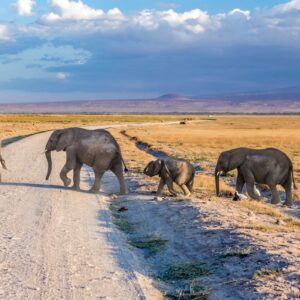
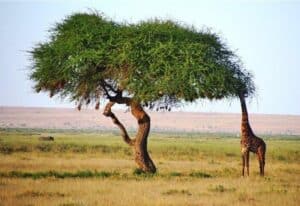
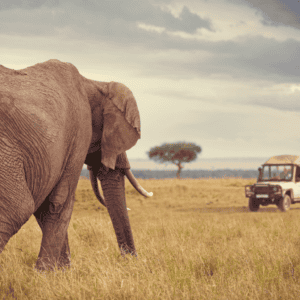
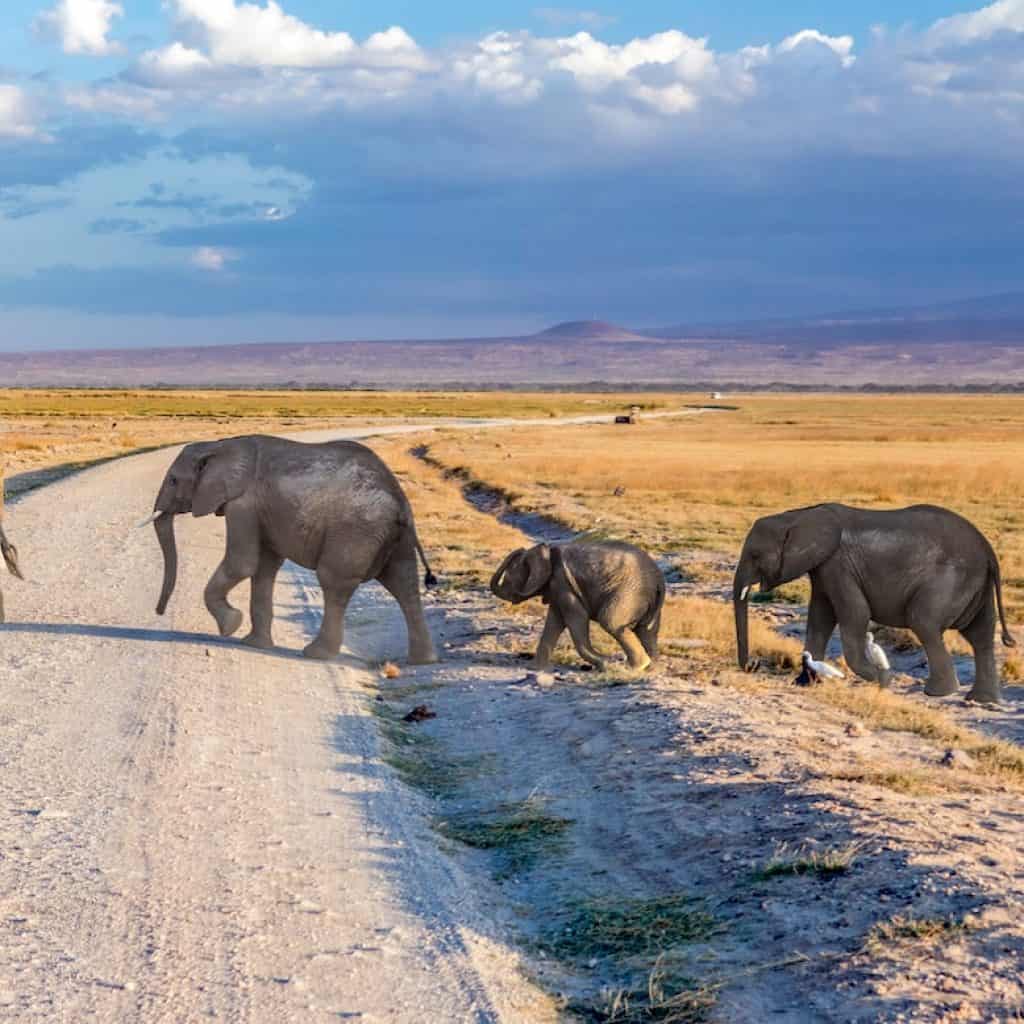
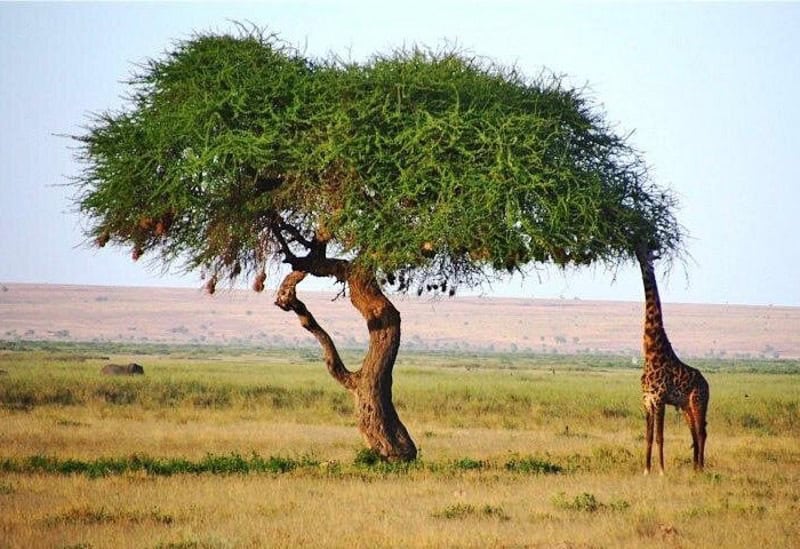
Kenya’s network of national parks and reserves spans ecosystems as varied as acacia-dotted savannas, densely wooded forests, and expansive wetlands. From the iconic Maasai Mara, renowned for its predator-prey theater, to the sprawling plains of Amboseli framed by Mount Kilimanjaro’s snow-capped peak, each protected area offers unique vistas and wildlife encounters. In a Safari in Kenya, these parks serve as living classrooms where visitors witness nature’s raw beauty, from elegant giraffes browsing atop termite mounds to herds of elephants meandering through lush riverine forests.
The parks are also hotspots for birdwatching enthusiasts, hosting over 1,000 recorded avian species. Lake Nakuru’s shimmering waters attract thousands of pink flamingos, creating a surreal blush along the shoreline, while the marshes of Ol Pejeta provide refuge for both migratory and endemic birds. Meanwhile, the rugged terrain of Tsavo East and West invites travelers into a wilder, less-traveled Kenya, where black rhinos graze in open plains and banded mongooses dart between rocky outcrops.
Safety and conservation go hand in hand across these reserves. Strict anti-poaching measures, community-based tourism initiatives, and guided safaris work in unison to preserve wildlife populations and empower local communities. Whether you’re on a luxury lodge veranda or a rustic tent platform, a Safari in Kenya’s national parks immerses you in a world of untamed splendor, leaving you with memories that linger long after you return home.
Experiencing the Great Migration: A Spectacle Like No Other
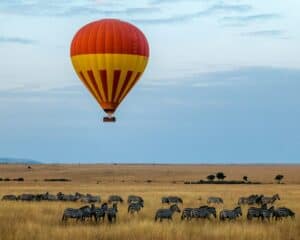
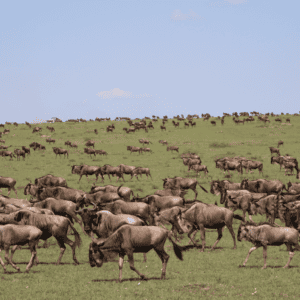
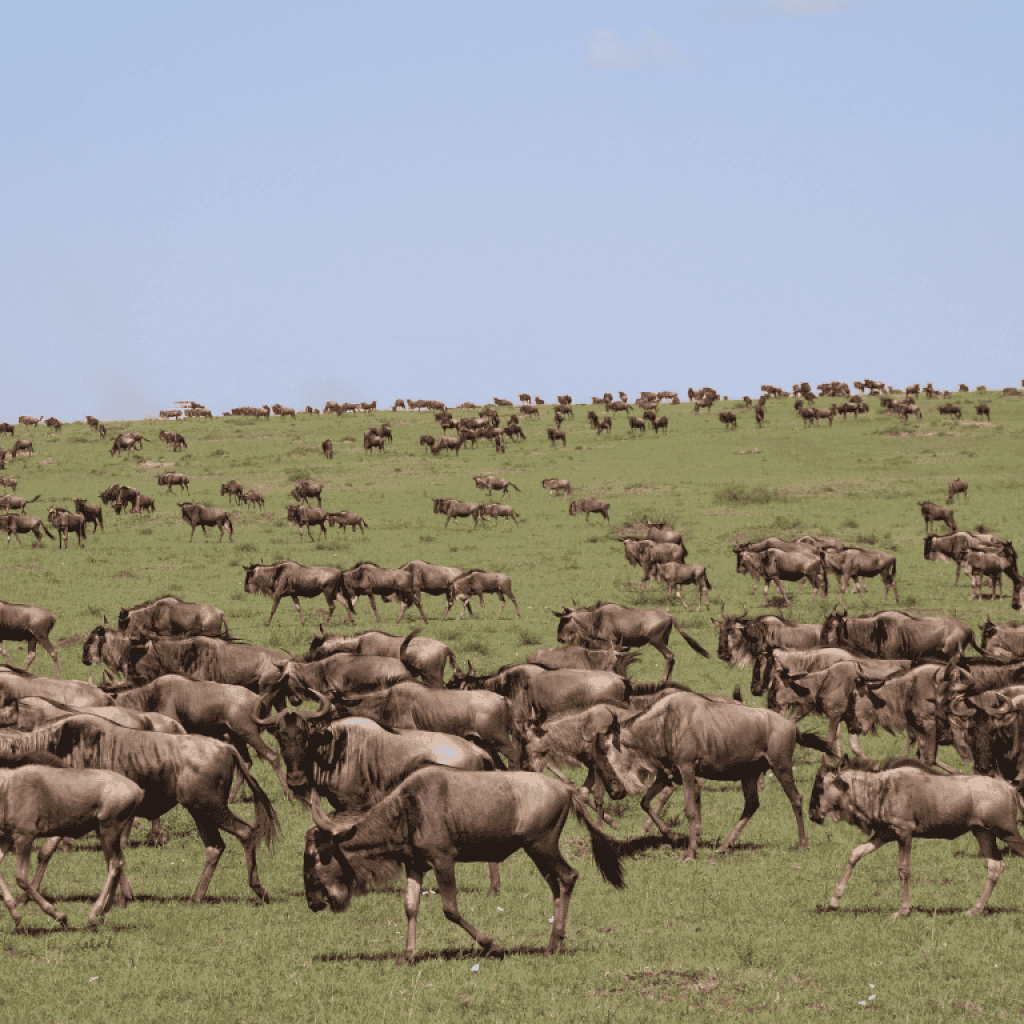
Each year, over two million wildebeest, zebras, and gazelles undertake a perilous journey spanning the Serengeti-Mara ecosystem in search of fresh grazing lands. This rhythmic pulse of hoofbeats and dust clouds is the Great Migration—a natural phenomenon that stands as one of the planet’s most awe-inspiring spectacles. A Safari in Kenya timed between July and October places you at the heart of this drama, as herds amass along the Mara River, poised for treacherous crossings.
Watching the migration’s ebb and flow demands patience, a keen eye, and an experienced guide who understands animal behavior and river patterns. As you peer through your binoculars or camera lens, you may witness crocodiles lurking beneath murky waters, ready to strike, while thundering hooves churn the riverbed. These moments are cinematic in scale, yet profoundly raw—an unfiltered testament to nature’s relentless cycle of survival.
Connecting with Kenya’s Diverse Wildlife
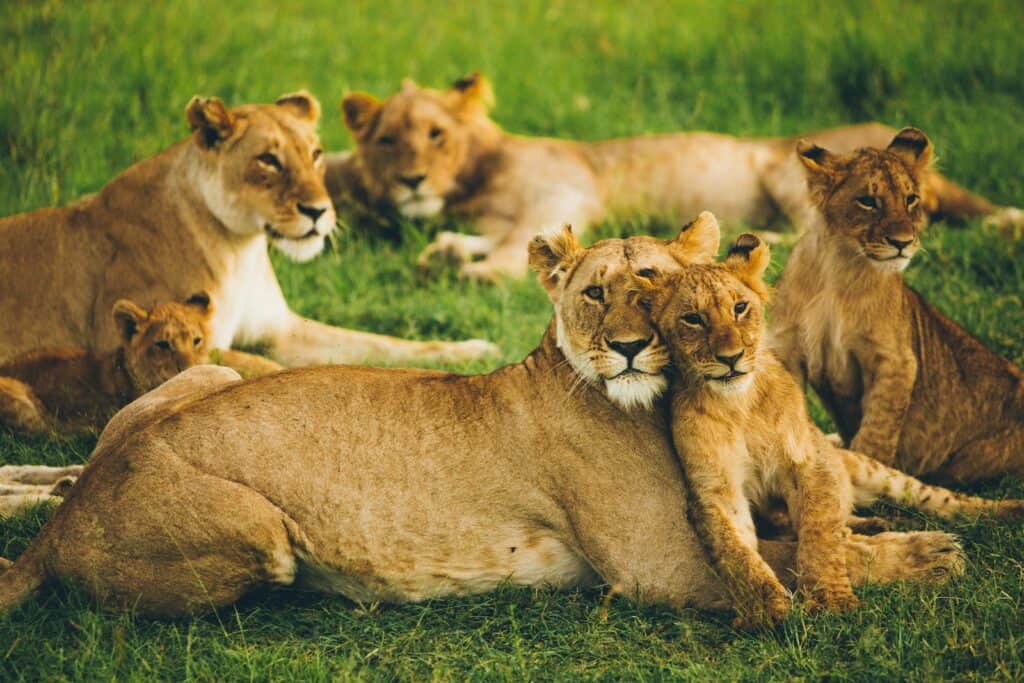
Beyond the Great Migration, Kenya boasts an astonishing array of species. The “Big Five”—lion, leopard, elephant, buffalo, and rhino—roam national parks and private conservancies, offering up-close sightings under the guidance of seasoned rangers. But the tapestry of Kenyan wildlife extends further: cheetahs sprint across open plains, hippos cavort in riverine pools, and elusive servals slip between tall grasses.
A Safari in Kenya provides opportunities for specialized experiences, such as nocturnal game drives to observe owls, genets, and hyenas under starlit skies, or guided nature walks where subtle signs of wildlife—hoofprints, dung, territorial markings—tell rich ecological stories. Birders will delight in hornbills, turacos, and secretary birds, while conservation-minded travelers can visit sanctuaries devoted to rehabilitating orphaned elephants or protecting endangered black rhinos. Each encounter deepens your understanding of Kenya’s ecosystems and the critical importance of protecting them for generations to come.
Cultural Immersion: Unveiling the Traditions of the Maasai People
The Maasai, one of East Africa’s most iconic tribes, have inhabited Kenya’s grasslands for centuries, preserving a semi-nomadic lifestyle centered on cattle herding and deep community bonds. A Safari in Kenya is incomplete without engaging with the Maasai, whose vibrant beadwork, distinctive attire, and spirited dances offer windows into a living cultural heritage.
Visiting a Maasai village (or Manyatta) under the stewardship of local hosts allows travelers to learn about intricate beadwork techniques passed down through generations, taste traditional dishes like fermented milk and blood porridge, and participate in age-old ceremonies—be it the welcoming “adumu” (jumping) dance or the rite of passage for young warriors. Conversations with Maasai elders shed light on their conservation ethos: grazing cattle in harmony with wildlife, and protecting grazing lands through ancestral land-management practices.
These exchanges foster mutual respect and support community-led initiatives such as education scholarships and healthcare programs funded by safari revenues. By choosing community-based cultural tours, you not only enrich your own journey but also contribute directly to the economic well-being and cultural preservation of the Maasai people.
Safari Accommodation Options: From Luxury Tents to Eco-Friendly Lodges
Kenya’s safari lodgings cater to a spectrum of tastes and budgets, each designed to immerse guests in the surrounding wilderness. Luxury tented camps, often perched on wooden platforms beneath swaying acacia trees, blend opulent comforts—plush king-size beds, hot water showers, and gourmet dining—with unfettered views of watering holes, where elephants and cape buffaloes congregate at dawn and dusk.
For travelers seeking a lighter footprint, eco-friendly lodges constructed from sustainable materials offer solar-powered lighting, composting toilets, and water-recycling systems without sacrificing creature comforts. Elevated walkways minimize disturbance to ground-nesting birds and small mammals, while locally sourced furnishings support community artisans. Some camps even partner with conservation NGOs, giving guests the chance to participate in tracking wildlife, monitoring anti-poaching patrols, or planting indigenous trees as part of habitat-restoration projects.
Mid-range and budget-friendly options abound too, from simple bandas (brick cottages with thatched roofs) to family-run guesthouses in the shadow of Amboseli’s volcanoes. Regardless of where you lay your head, a Safari in Kenya’s varied accommodations ensures that you remain intimately connected to the wild rhythms of the African bush.
Essential Safari Gear: What to Pack for Your Kenyan Adventure
Packing thoughtfully can make or break your Safari in Kenya. Start with a sturdy, lightweight daypack to carry binoculars, water, sunscreen, and a camera. Neutral-colored clothing—khaki, olive, and beige—helps you blend into the surroundings and avoid startling wildlife. Opt for long-sleeve shirts and convertible pants to guard against sunburn, insect bites, and prickly shrubs.
A high-quality pair of binoculars (8×42 or 10×42) is indispensable for observing distant prides of lions or flocks of migratory birds. Add a zoom-capable DSLR or mirrorless camera with extra batteries and memory cards to ensure you capture every breathtaking moment. Don’t forget a wide-brimmed hat, UV-blocking sunglasses, and reef-safe sunscreen for protection against intense equatorial rays. Lightweight, quick-dry socks and sturdy walking shoes or ankle-high boots will keep your feet dry and comfortable on early-morning bush walks.
Other essentials include a refillable water bottle with built-in filter, insect repellent containing DEET or picaridin, a compact first-aid kit, and any personal medications. If you plan on overnight flights or layovers, a travel pillow and sleep mask can turn airport lounges into makeshift rest areas. With your gear checklist complete, you’ll be ready to fully immerse yourself in the magic of a Safari in Kenya.
Safari Safety Tips: Ensuring a Secure and Enjoyable Experience
While a Safari in Kenya offers thrilling wildlife encounters, adhering to safety guidelines ensures both your well-being and that of the animals. Always remain inside the vehicle during game drives unless your guide explicitly indicates it is safe to disembark. Wildlife may appear calm, but unexpected behavior can occur—especially with territorial species or during mating season.
Heed your guide’s instructions at all times. These professionals undergo rigorous training in animal behavior, first aid, and radio communication. Keep noise levels low to avoid startling wildlife and respect feeding patterns by not offering food or attempting to lure animals for a better view. At night, restrict activities to designated pathways and camps, and carry a flashlight to ward off hyenas or small predators that might wander close to tents.
Hydration and sun protection are crucial under the equatorial sun. Drink plenty of water throughout the day, reapply sunscreen after early-morning drives, and refrain from touching thorny vegetation. Before your trip, consult a travel clinic for recommended vaccinations—yellow fever is required, and typhoid, hepatitis A, and anti-malarial prophylaxis are strongly advised. Travel insurance with medical evacuation coverage adds an extra layer of security, giving you peace of mind as you embark on your Safari in Kenya.
Capturing Memories: Photography Tips for Your Kenyan Safari
Kenya’s golden light and dramatic horizons provide a photographer’s paradise, but capturing that perfect shot requires preparation and patience. Use a telephoto lens (200–400mm) to frame distant animals without disturbing them, and switch to a wide-angle lens (16–35mm) for sweeping landscapes and dramatic sunrises. Set your camera to continuous autofocus and burst mode to photograph fast-moving subjects like cheetahs in pursuit or wildebeest crossing the Mara River.
Early morning and late afternoon—known as the “golden hours”—offer soft, warm lighting that flatters both wildlife and scenery. Avoid harsh midday sun by scheduling siestas or camp-based activities during peak heat. When photographing elephants or giraffes, position yourself perpendicular to the subject to emphasize their majestic silhouettes against the sky. Birders should opt for a high shutter speed (1/1000s or faster) to freeze flapping wings, and introduce slight underexposure to preserve highlight detail in bright plumage.
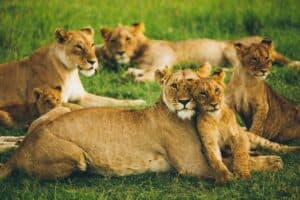
Beyond technical settings, mastering storytelling will elevate your images. Include environmental context—acacia branches, splashing waterholes, or distant mountains—to give viewers a sense of place. Patience pays off: linger at a water source to document animals’ social interactions, or anticipate the next movement of a lion pride lounging in long grass. With these tips in hand, you’ll return home not just with photographs, but with visual narratives that transport friends and family straight into the heart of your Kenyan safari adventure.
Sustainable Tourism Practices: Preserving Kenya’s Natural Beauty
Eco-conscious travelers play a pivotal role in safeguarding Kenya’s wilderness for future generations. Choosing operators with certified sustainability credentials—such as Green Globe or EarthCheck—ensures your Safari in Kenya directly supports conservation and community development. These companies invest a portion of profits into anti-poaching units, wildlife monitoring, and educational programs in local villages.
Minimize your ecological footprint by adhering to “leave no trace” principles: dispose of waste responsibly, avoid single-use plastics, and stick to designated trails to protect fragile ground-nesting birds and vegetation. Support community-run enterprises by purchasing handcrafted souvenirs directly from Maasai artisans, thereby promoting traditional crafts and generating local income. Whenever possible, select camps that employ local staff, source food from nearby farms, and implement renewable energy solutions.
By making informed choices—such as joining guided walks that focus on indigenous plant identification, or partaking in citizen science initiatives like bird counts—you not only enrich your understanding of Kenya’s ecosystems but also help cultivate a culture of stewardship. A truly meaningful Safari in Kenya balances adventure with responsibility, ensuring the landscapes and wildlife you cherish remain resilient in the face of global challenges.
Conclusion: Reflecting on the Life-Changing Moments of Your Kenyan Safari
A Safari in Kenya is more than an itinerary—it’s a profound journey that reshapes perspectives and ignites a lifelong passion for wildlife and conservation. From the adrenaline rush of a lion sighting at dawn to the humbling experience of crossing paths with the Maasai, every moment resonates with authenticity and wonder.
As you board your flight home, memories of wide-open plains, thunderous migrations, and cultural exchanges will linger, urging you to become an advocate for the landscapes and communities that made your adventure possible. Kenya’s magic doesn’t end when the wheels lift off; it evolves as you carry its lessons into the world.