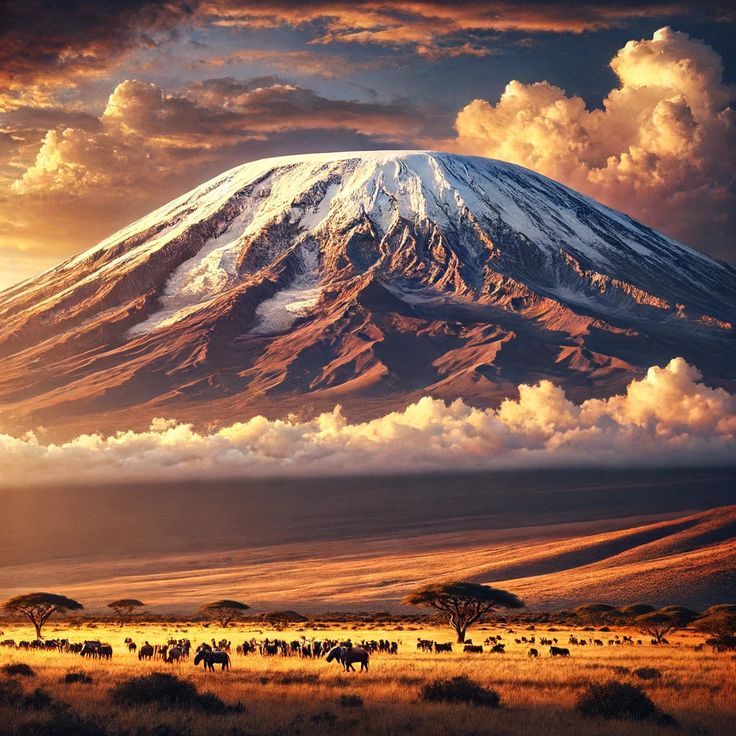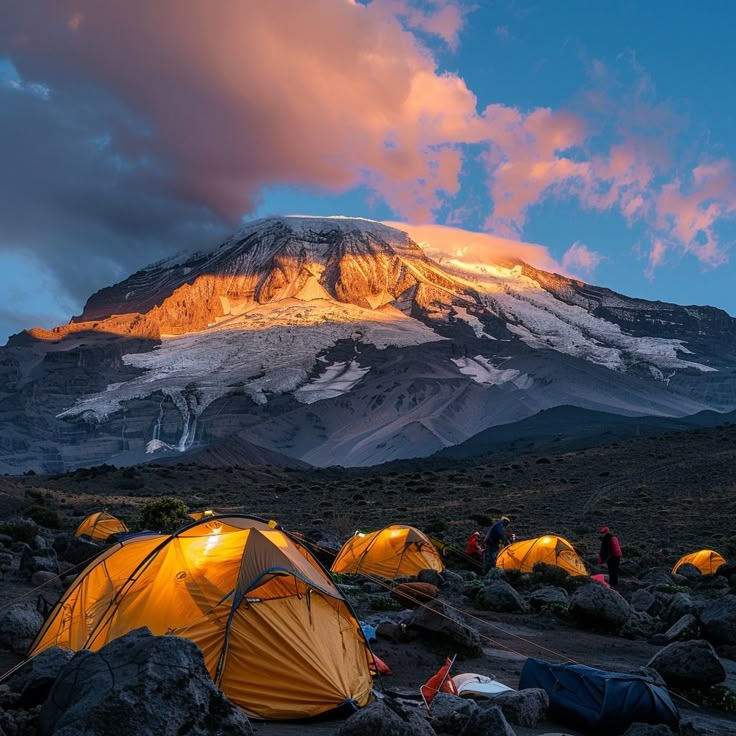

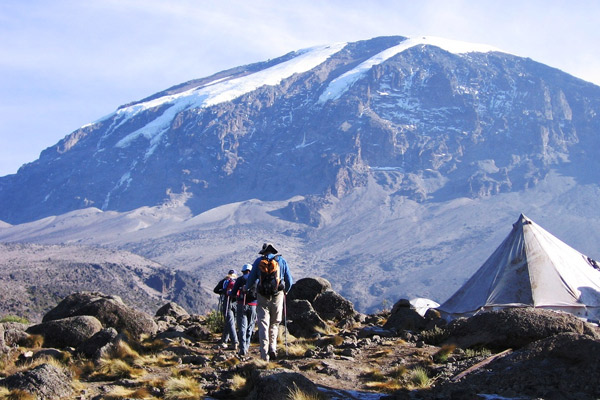
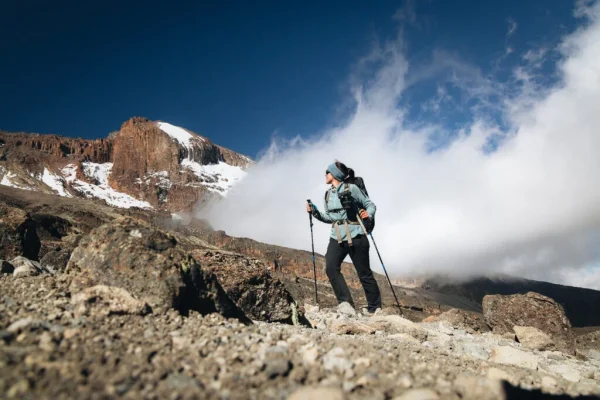
The 7 Day Kilimanjaro Lemosho Route Climb is one of the most scenic and rewarding ways to reach the summit of Mount Kilimanjaro.
The route begins on the quieter western side of the mountain and takes you through a beautiful variety of landscapes. You will walk through rainforest, open moorland, the wide Shira Plateau, alpine desert, rocky ridges, and finally the icy summit of Uhuru Peak at 5,895 metres.
Lemosho is popular because it combines excellent scenery with a gradual ascent. The changing altitude helps your body adjust naturally as you climb, giving you a better chance of reaching the summit.
Along the way, you will pass some of Kilimanjaro’s most famous landmarks, including Shira Plateau, Lava Tower, Barranco Wall, Karanga Camp, and Barafu Camp.
This seven-day itinerary is ideal for fit travellers who want a scenic Kilimanjaro climb with good acclimatization and fewer crowds during the early stages of the trek.
The 7 Day Kilimanjaro Lemosho Route climb is an excellent choice for climbers who want beautiful scenery, good acclimatization, and a quieter start to their Kilimanjaro journey.
The route begins on the western side of the mountain, where there are usually fewer trekkers during the first few days. It then crosses the impressive Shira Plateau before joining the southern circuit.
The climb to Lava Tower followed by the descent to Barranco Camp gives your body valuable time to adjust to the altitude. The itinerary also includes some of the mountain’s most memorable sections, including Barranco Wall, Karanga Valley, and Barafu Camp.
Your Kilimanjaro adventure begins with a morning transfer from Moshi or Arusha to Lemosho Gate on the western side of the mountain.
After completing the park registration and meeting your mountain crew, you will begin your trek through Kilimanjaro’s lush rainforest.
The trail climbs gradually beneath tall trees and thick vegetation. This area is home to black-and-white colobus monkeys, blue monkeys, colourful birds, and many tropical plants.
After approximately three to four hours of walking, you will arrive at Mti Mkubwa Camp, also known as Big Tree Camp.
This gentle first day gives you time to settle into the rhythm of the climb and enjoy the peaceful forest environment.
Starting Point: Lemosho Gate
Ending Point: Mti Mkubwa Camp
Elevation: 2,100m to 2,785m
Distance: Approximately 6 km
Hiking Time: Around 3–4 hours
Accommodation: Camping at Mti Mkubwa Camp
After breakfast, continue climbing as the rainforest slowly gives way to open heath and moorland.
The trail becomes steeper as you approach Shira Ridge, where you may enjoy wide views of Mount Meru and the surrounding countryside.
After crossing the ridge, descend slightly onto the broad Shira Plateau before continuing past Shira One Camp.
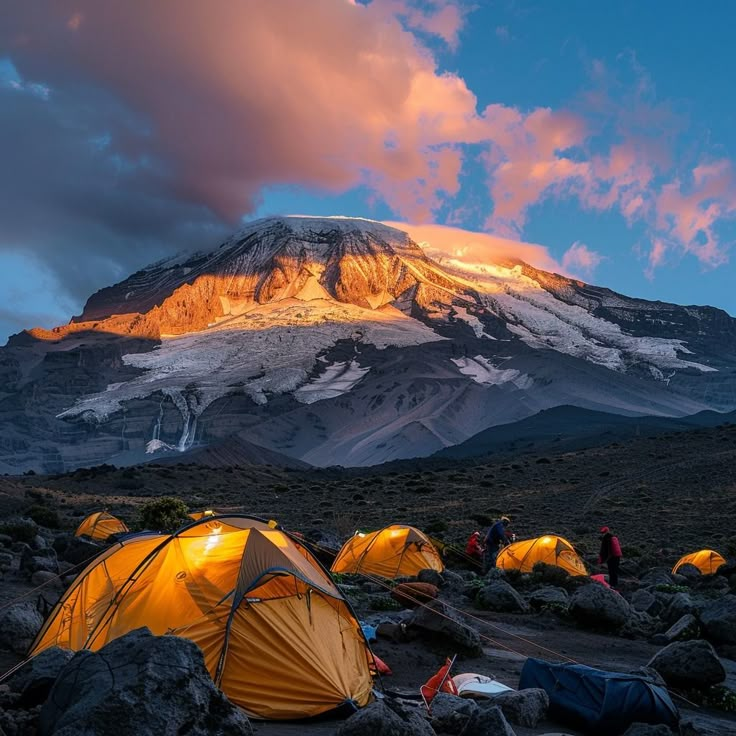
The final section leads towards Shira Two Camp, located at approximately 3,850 metres. On a clear day, the camp offers excellent views of Kibo Peak.
Today is one of the longer hiking days, but the changing scenery makes it especially rewarding.
Starting Point: Mti Mkubwa Camp
Ending Point: Shira Two Camp
Elevation: 2,785m to 3,850m
Distance: Approximately 16 km
Hiking Time: Around 6–8 hours
Accommodation: Camping at Shira Two Camp
Today is an important acclimatization day.
After breakfast, begin the steady climb towards Lava Tower, a large volcanic rock formation standing at approximately 4,630 metres.
As you climb higher, the air becomes thinner and the landscape changes into alpine desert. Your guide will maintain a slow pace and monitor how you are adjusting to the altitude.
After reaching Lava Tower, you will stop for lunch before beginning the descent into the beautiful Barranco Valley.
The lower sleeping altitude at Barranco Camp follows the useful mountaineering principle of climbing high and sleeping low.
As you descend, giant groundsels and senecio plants begin to appear, adding colour to the dramatic mountain scenery.
Starting Point: Shira Two Camp
Highest Point: Lava Tower – 4,630m
Ending Point: Barranco Camp
Sleeping Elevation: 3,960m
Distance: Approximately 10 km
Hiking Time: Around 6–8 hours
Accommodation: Camping at Barranco Camp
After breakfast, begin the day by climbing the famous Barranco Wall.
Although the wall looks steep from below, it is not a technical climb. Some sections require you to use your hands for balance, while your guide helps you move safely along the rocky trail.
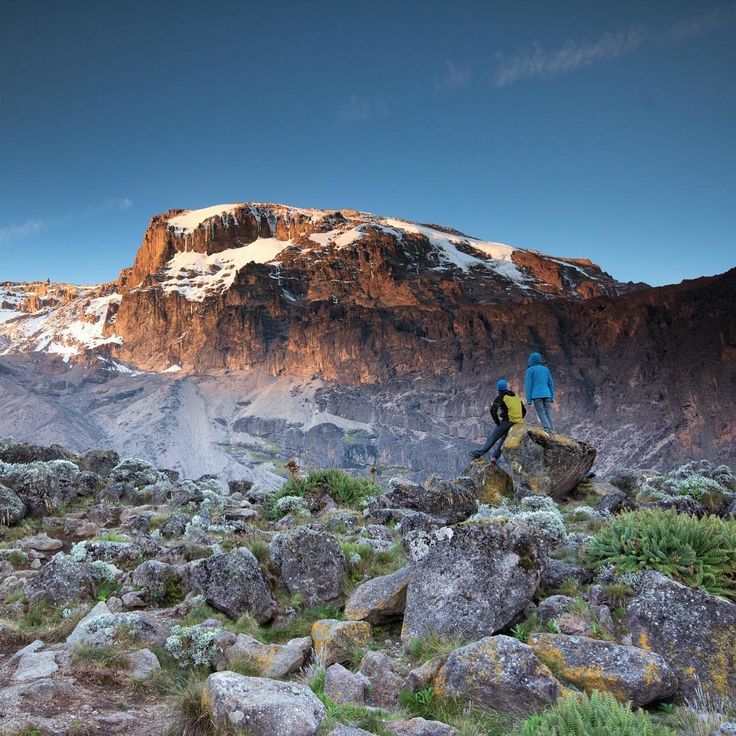
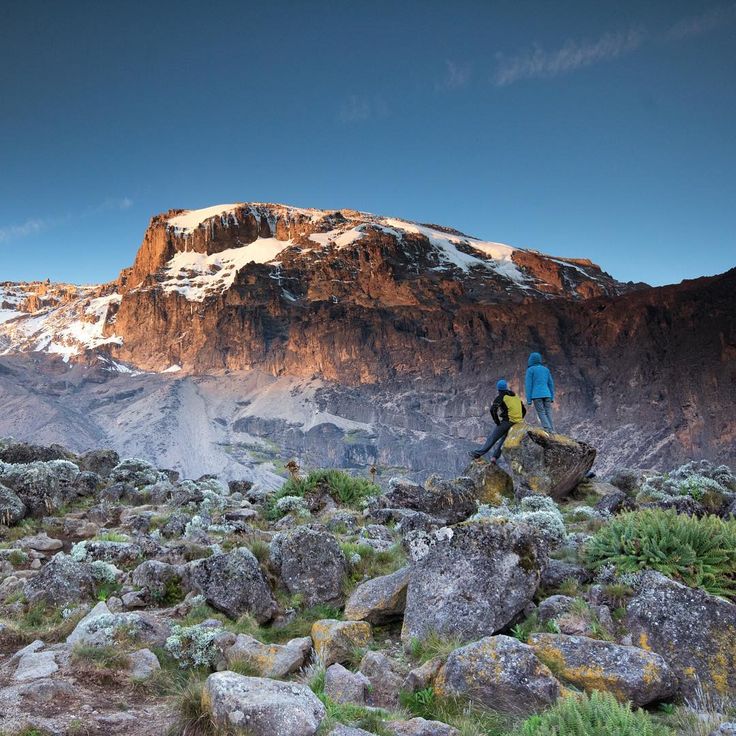
Once you reach the top, you will be rewarded with spectacular views of Kibo Peak, the southern glaciers, and the valleys below.
The trail then continues through a series of ridges and valleys before reaching Karanga Camp.
This shorter day allows you to rest and continue adjusting to the altitude before moving to the final summit camp.
Starting Point: Barranco Camp
Ending Point: Karanga Camp
Elevation: 3,960m to 3,995m
Distance: Approximately 5 km
Hiking Time: Around 4–5 hours
Accommodation: Camping at Karanga Camp
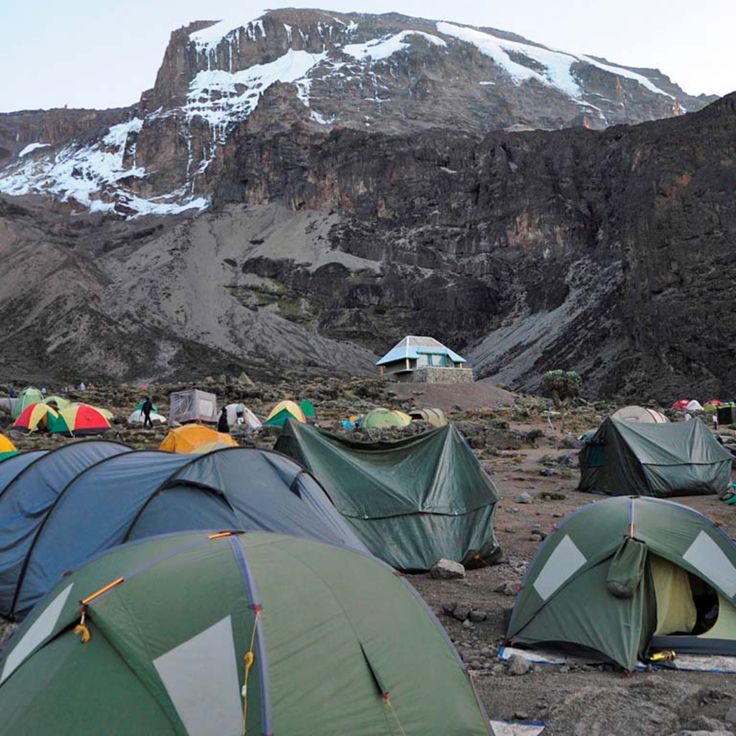
After breakfast, leave Karanga Camp and begin the steady climb towards Barafu Camp, the final overnight stop before the summit attempt.
The trail passes through Kilimanjaro’s alpine desert, where the landscape is dry, rocky, and exposed. Vegetation becomes very limited as you gain altitude.
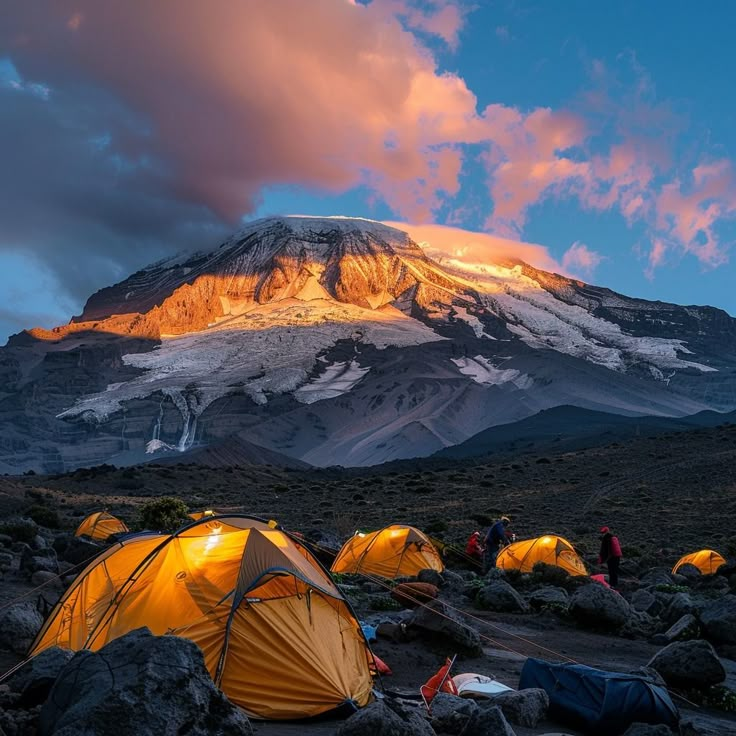
You will normally arrive at Barafu Camp in the afternoon. After lunch, spend the remaining hours resting, drinking water, and preparing your equipment for summit night.
Your guide will check your clothing, headlamp, water, and other essentials before you have an early dinner and settle down for a few hours of sleep.
Starting Point: Karanga Camp
Ending Point: Barafu Camp
Elevation: 3,995m to 4,673m
Distance: Approximately 4 km
Hiking Time: Around 3–4 hours
Accommodation: Camping at Barafu Camp
Your summit attempt begins shortly after midnight.
After a light meal and hot drink, start the slow climb towards Stella Point on the crater rim.
This is the most demanding section of the trek because of the steep trail, freezing temperatures, and high altitude. Your guide will maintain a careful pace to help you save energy.
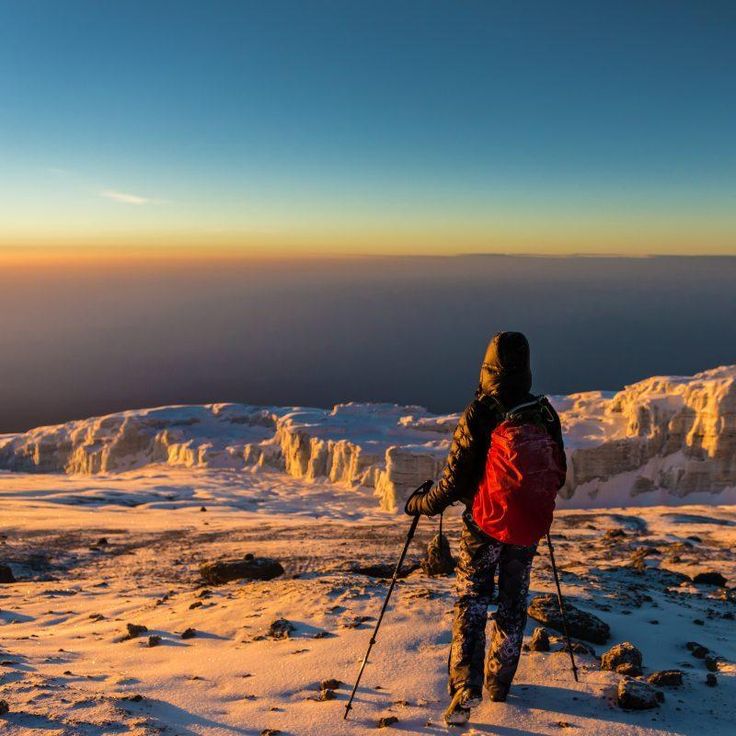
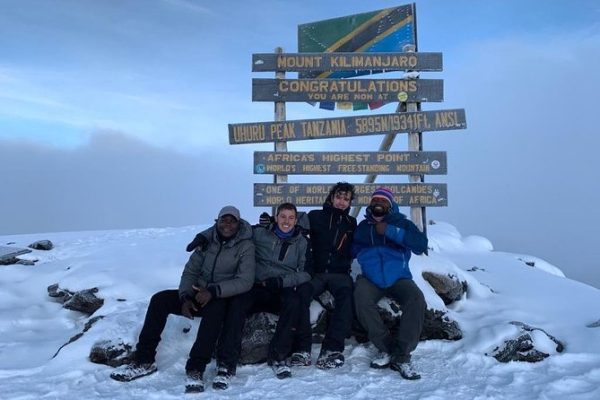
After reaching Stella Point, continue along the crater rim to Uhuru Peak at 5,895 metres, the highest point in Africa.
Reaching the summit as the sun rises is an unforgettable moment. You will have time to take photographs, enjoy the views, and celebrate your achievement with your guide.
After leaving the summit, descend back to Barafu Camp for breakfast and a short rest. You will then continue down to Mweka Camp, where the air is warmer and the landscape becomes greener.
Starting Point: Barafu Camp
Highest Point: Uhuru Peak – 5,895m
Ending Point: Mweka Camp
Sleeping Elevation: 3,068m
Distance: Approximately 17 km
Hiking Time: Around 10–15 hours
Accommodation: Camping at Mweka Camp
After breakfast, begin your final descent through Kilimanjaro’s rainforest.
The trail may be wet and slippery, so trekking poles can be helpful. Along the way, you may see monkeys, colourful birds, and thick mountain vegetation.
After approximately three to four hours, you will arrive at Mweka Gate, where you will sign out of Kilimanjaro National Park.
You will then receive your summit certificate before meeting your driver for the transfer back to Moshi.
The rest of the day is free for you to enjoy a hot shower, relax, and celebrate your successful climb.
Starting Point: Mweka Camp
Ending Point: Mweka Gate
Elevation: 3,068m to 1,640m
Distance: Approximately 10 km
Hiking Time: Around 3–4 hours